Romance in the Harbor: A Chronicle of Hong Kong Love (Part 4)
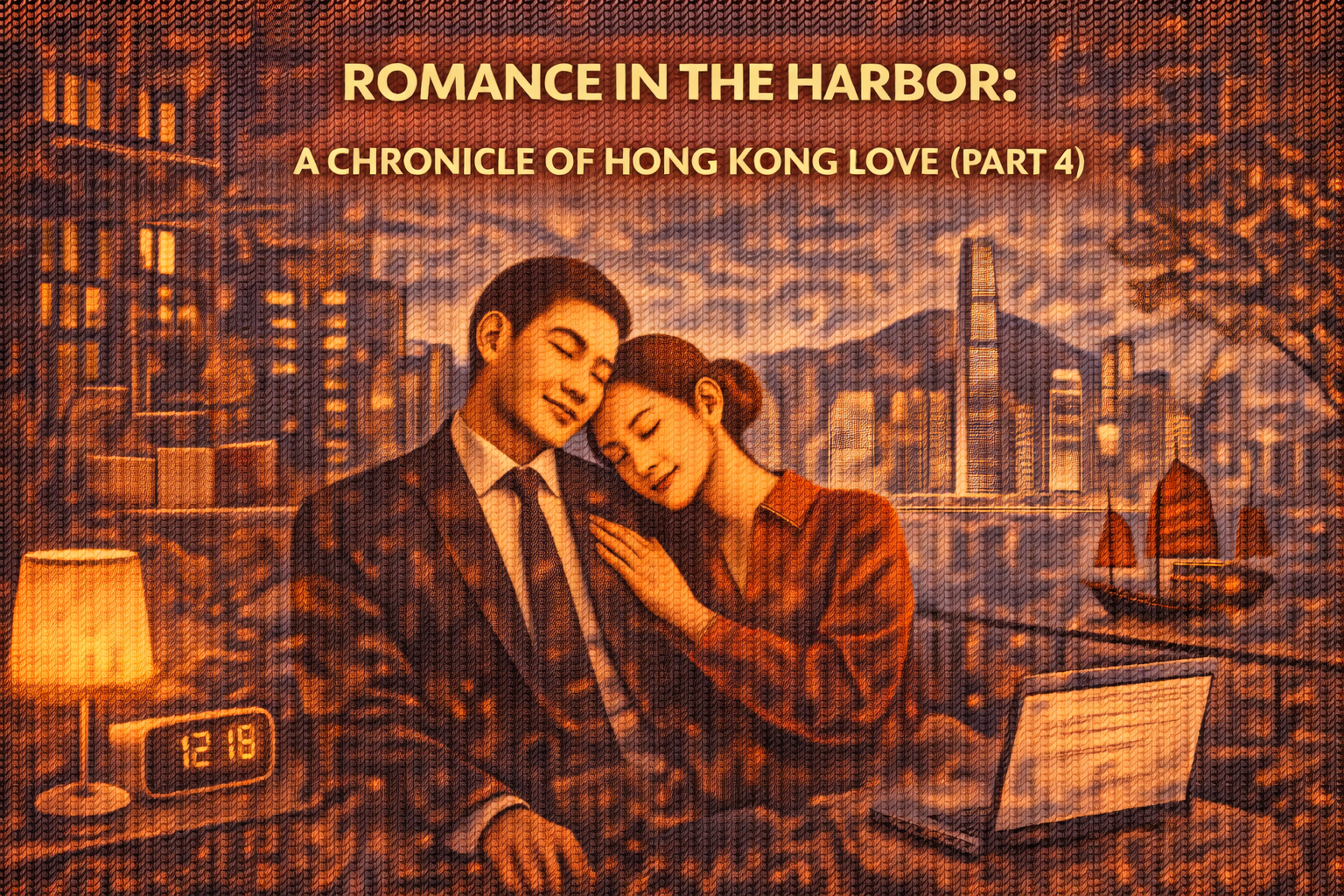
We have observed the historical foundations of the colonial elite in Part 3. The “Fishing Fleet” has long since ceased to sail, and the Governor no longer hosts balls at the peak of the season. However, the Western presence in Hong Kong remains significant. It has merely shifted its function from administration to commerce. This is Part 4 of our inquiry. Here, we analyze the modern Western iteration of romance in the territory: the expatriate experience. It is a sphere defined by transience, high velocity, and a distinct geography centered around the Mid-Levels Escalator.
To understand the modern expatriate romance, one must understand the nature of the employment contract. Unlike the colonial officers who spent decades in the East, the modern finance professional or corporate transferee typically arrives on a two-to-three-year timeline. This creates a psychological environment similar to a university campus or a prolonged transit lounge. Relationships are often formed with the understanding of an expiration date. This “revolving door” dynamic accelerates courtship. There is less emphasis on multi-generational family approval—a key factor in local Cantonese romance—and more emphasis on immediate compatibility and shared experience in a foreign land.
The geography of this interaction is highly specific. It is concentrated in the districts of Lan Kwai Fong (LKF) and SoHo. On a Friday night, LKF functions as a chaotic, compressed marketplace for social interaction. Unlike the structured tea dances of the 1920s, the modern ritual involves standing on a sloping street, holding a drink, and navigating a dense crowd of international transients. It is loud, humid, and visually overwhelming. Moving uphill, the restaurants of SoHo offer a slightly more sedate environment, but the underlying current remains the same: people seeking connection in a city where they may not remain.
A specific sociological phenomenon within this sphere is the “Trailing Spouse.” This term refers to the partner who accompanies the primary breadwinner to Hong Kong. While the working partner is integrated into a social network through their office, the trailing partner often faces isolation and a loss of professional identity. This dynamic creates a specific strain on marriages, often exacerbated by the frequent travel of the working partner and the abundance of domestic help, which removes the shared labor of running a household. The “Expat Divorce” is a known statistical occurrence, often attributed to the sudden shift in lifestyle and the high-pressure environment of the city’s social scene.
Hollywood narratives concerning Westerners in Hong Kong frequently rely on the “fish out of water” trope involving triads or martial arts. This is an outdated perspective. A more accurate and compelling narrative would focus on the emotional texture of the “expat bubble.” A film could center on the Mid-Levels Escalator system—the longest outdoor covered escalator system in the world—as a narrative device. It physically cuts through the living spaces of this demographic. A story about two people passing each other daily on this conveyor belt, witnessing the domestic lives of others through apartment windows while navigating their own transient existence, offers a visual metaphor for the disconnect often felt in the city.
Furthermore, the tension of the “two-year contract” provides a natural ticking clock for a romance drama. The conflict is not external villains, but the looming departure date. It asks the question: is it worth falling in love when one partner is destined for London and the other for Singapore? This captures the bittersweet reality of the modern global nomad—a life of high privilege but low stability.
As we conclude our examination of the Western element, we see a community that burns bright and fast. It is a sharp contrast to the slow, deep roots of the indigenous clans. However, there is another layer to this city—a stratum that sits above the transients and the average citizens. In Part 5, we will ascend to the highest echelons of local society. We will examine the unique romantic habits, dynastic pressures, and public spectacles of the Hong Kong tycoons and the upper class.