Celestial Rhapsodies: The Eclipse of Tradition and the Stage of Patronage
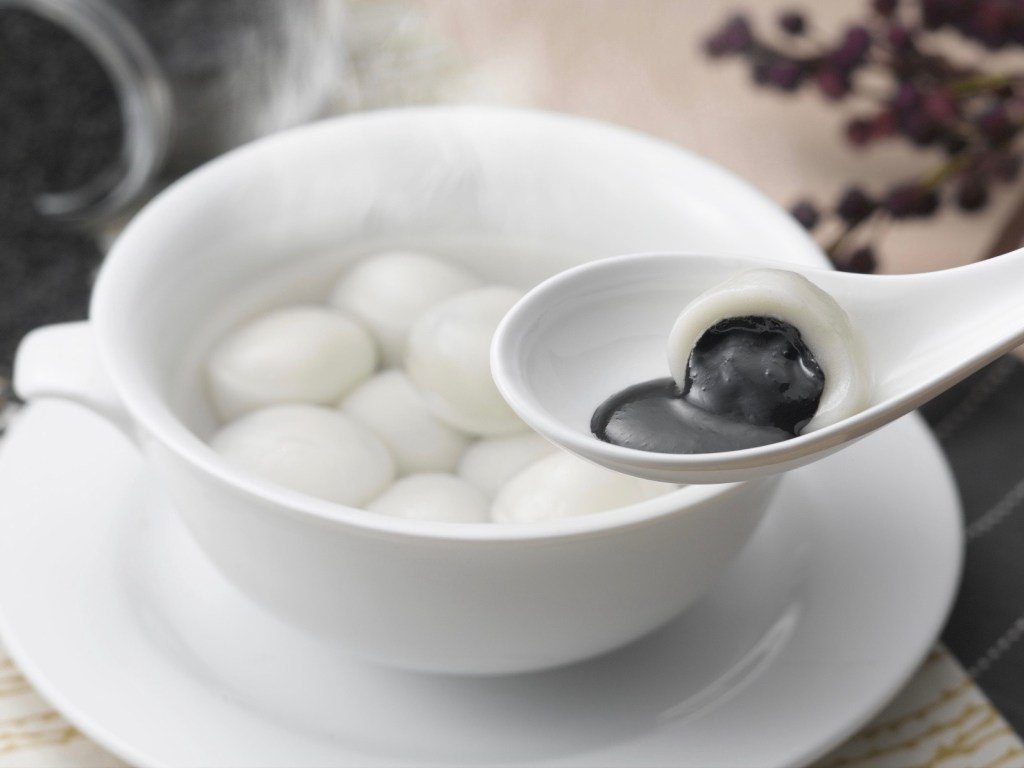
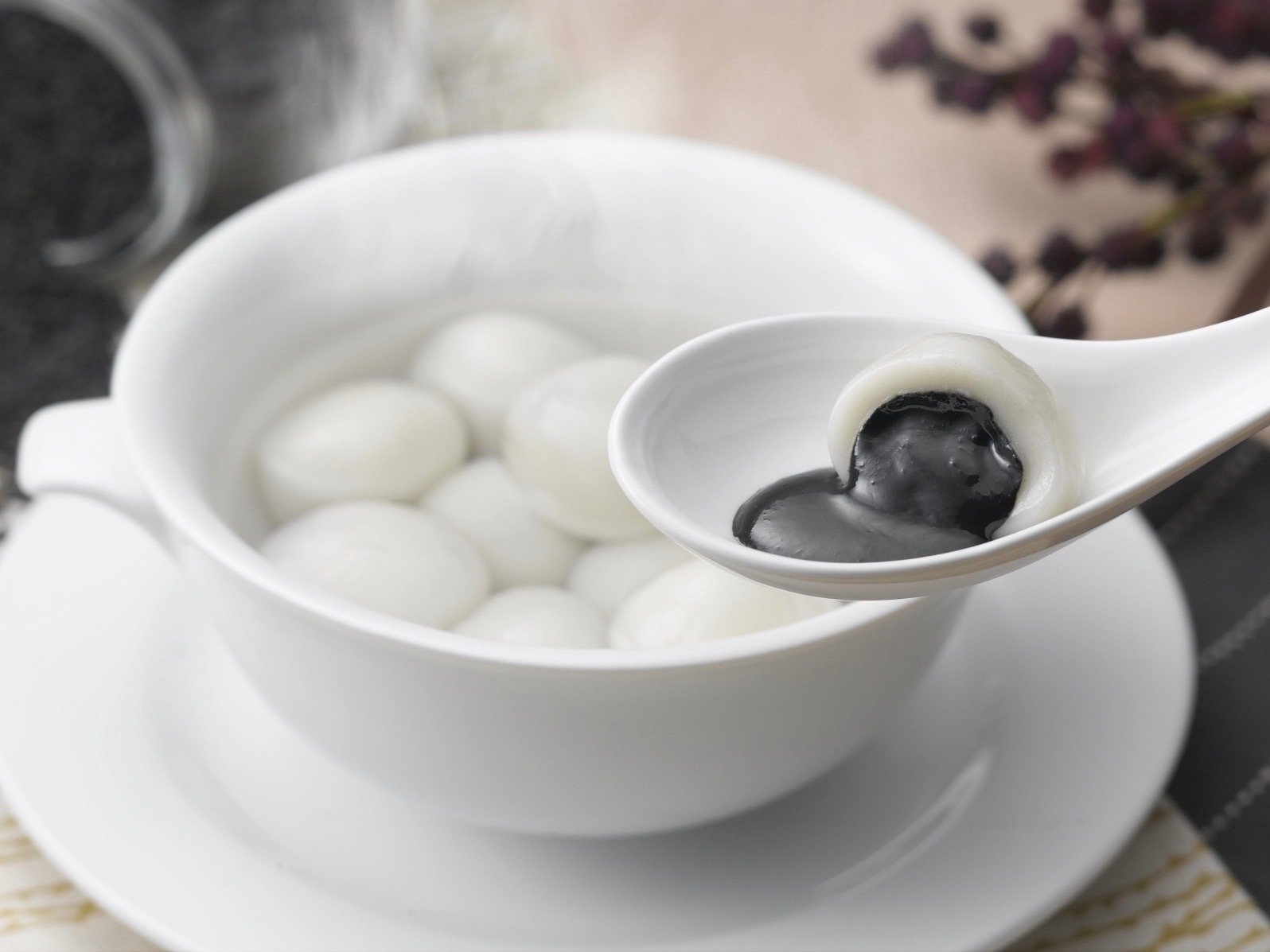
Tonight marks Yuan Xiao, the Lantern Festival. In the agrarian calendar that underpins so much of Chinese culture, it is the first full moon of the Lunar New Year. Traditionally, this is a night of illumination, where children light lanterns to guide the spirits home and families gather to seek “completeness,” symbolized by the consumption of tangyuan (sweet dumplings).
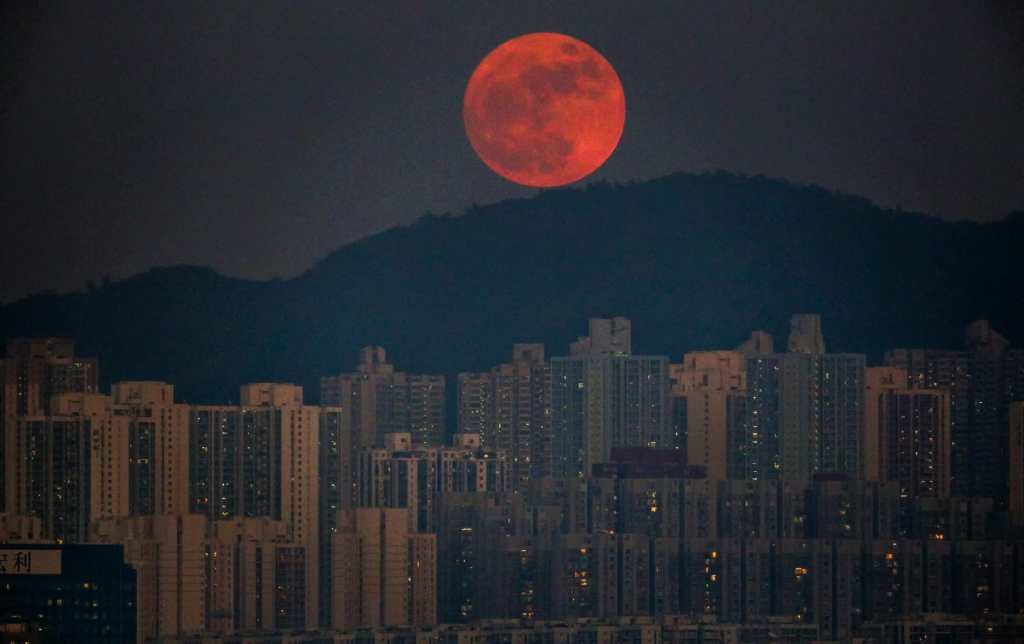
However, tonight offers a celestial anomaly that elevates the ritual beyond the standard calendar. We are witnessing a rare total lunar eclipse—a “Blood Moon.” In ancient times, such an event might have been viewed with trepidation, a cosmic disruption requiring the banging of drums to scare away the heavenly dog devouring the moon. Today, for the modern observer in Hong Kong, it is an aesthetic rarity to be admired from the terrace or the window, accompanied by the comfort of black sesame dumplings. It is a moment where the ancient lunar cycle meets modern astronomical appreciation.
Yet, before settling in for this private cosmic spectacle, my evening was defined by a different kind of performance—one that highlights the unique social fabric of Hong Kong’s cultural scene.
I spent the afternoon at the Xiqu Centre in the West Kowloon Cultural District, attending a rehearsal of the Cantonese musical, “Salted Fish Rhapsody” (鹹魚牛肉豬仔包). The venue itself is a testament to Hong Kong’s attempt to preserve traditional opera within a futuristic architectural shell. The production, a local original, is a pastiche of song and dance styles that one might describe as “fairly entertaining”—a lighthearted exploration of local identity through the metaphor of iconic comfort foods.
But from a sociological perspective, the production on stage was less significant than the mechanism of my attendance. I was not there as a ticket-holder, but as an invited guest, courtesy of the Managing Director of AR Consultant Services, the show’s sponsor. This invitation stems from a longstanding friendship between the Director and my father.
This dynamic illustrates a critical pillar of Hong Kong society: the intersection of Guanxi (relationships) and cultural patronage. In the West, arts patronage is often institutional or philanthropic in a detached sense. In Hong Kong, it remains deeply personal. The sponsorship of a local musical is not just a branding exercise; it is an extension of social networks. Access to the rehearsal—the “behind the curtain” experience—is the currency of these networks. It reinforces the bonds between families and business associates.
There is a poetic symmetry to the day. On one hand, we have “Salted Fish Rhapsody,” a theatrical performance grounded in the gritty, flavorful vernacular of the Hong Kong streets (salted fish and pork chop buns). On the other, we have the Blood Moon, a high-altitude spectacle of ethereal beauty.
Tonight, I will partake in both. I have observed the rehearsal of the human drama, facilitated by elite social networks. Now, I will return to the domestic sphere to observe the celestial drama, facilitated by the orbit of the earth. As I eat my tangyuan, tasting the rich black sesame, I am reminded that in Hong Kong, we are always balancing the earthly bustle with the heavenly cycle. We watch the stage, we watch the sky, and we ensure our connections—both to tradition and to each other—remain unbroken.