
Sundays Divided: How Cash and Creed Carve Up Rest Days in Hong Kong and America
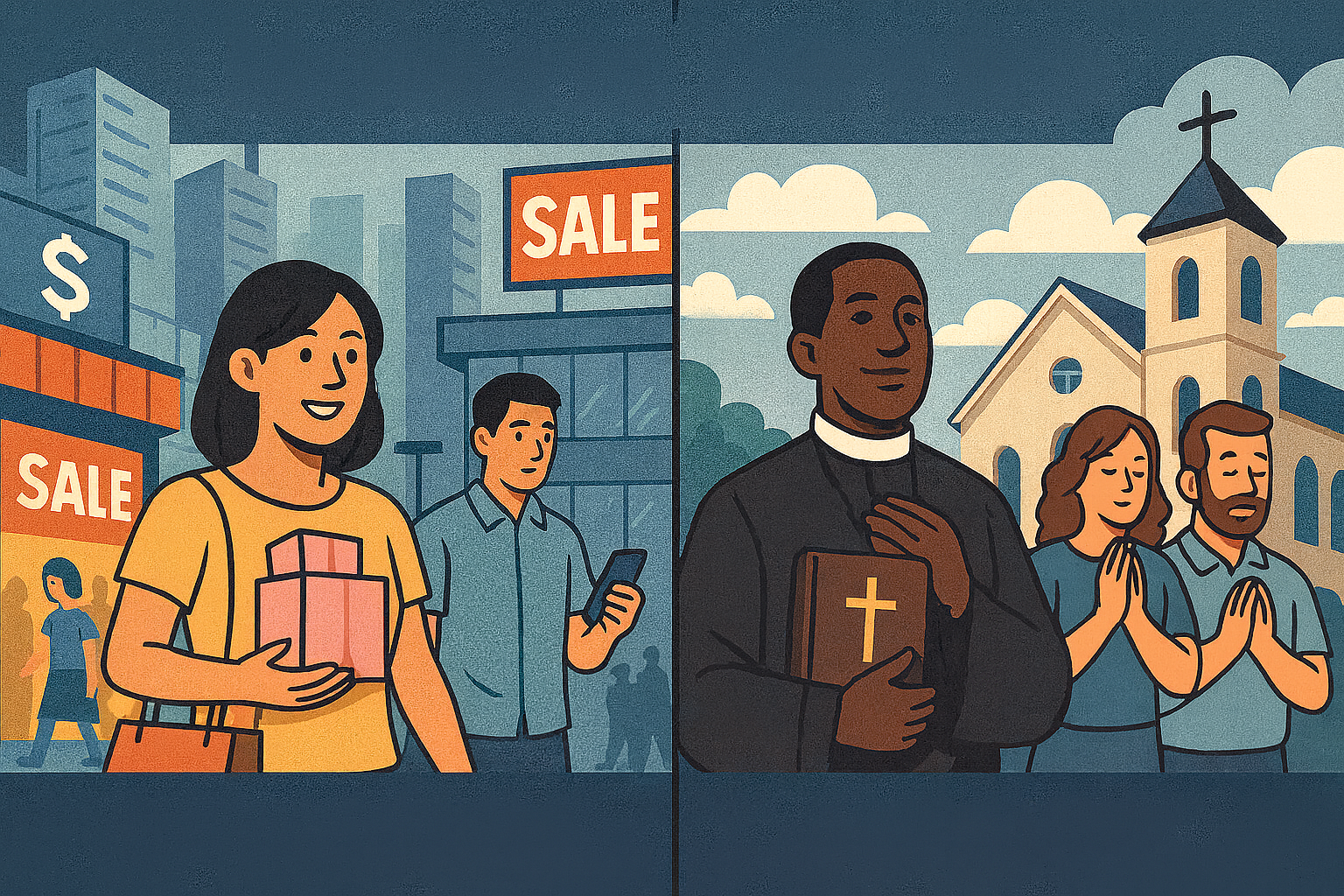
Sundays, that supposed oasis of respite in the grind of modern life, expose the raw fissures of society like nothing else. In Hong Kong and the United States, the day off isn’t just about recharging—it’s a battlefield where class lines harden and, in the US, political tribes clash. Forget the myth of universal laziness; how you spend your Sunday screams your socioeconomic status and, across the Pacific, your ballot-box allegiance. Drawing from time-use surveys, cultural observations, and polling data, this analysis peels back the layers without apology: Sundays aren’t equal, and pretending otherwise is naive.
Start with Hong Kong, a hyper-dense metropolis where weekends amplify the city’s infamous inequality. For the working poor—predominantly migrant domestic workers from the Philippines and Indonesia—Sunday is a ritual of makeshift community. These women, numbering over 300,000 and earning as little as HK$4,870 monthly, flood public spaces like Victoria Park or under HSBC’s towering headquarters. On their sole day off, they transform sidewalks into vibrant hubs: picnicking on cardboard mats, sharing home-cooked meals, singing karaoke, or even holding beauty pageants. It’s raw, communal survival—far from luxurious, but a defiant grab at joy amid exploitation. Contrast this with the middle class, squeezed by sky-high rents and long hours. Families here pivot to “yum cha,” the dim sum brunch ritual, often in bustling teahouses or malls. Increasingly, though, cost-conscious Hongkongers bolt to Shenzhen across the border for affordable shopping, dining, and entertainment, turning Sundays into cross-border escapes that save cash but drain local economies. The elite? They jet to beaches on outlying islands, hike Lantau’s trails, or tee off at exclusive golf clubs—leisure that demands disposable income and time, hallmarks of the top 10% who can afford expat-style weekends. In HK, Sunday isn’t rest; it’s a mirror of economic precarity, where the poor occupy streets, the middle flee for bargains, and the rich play in paradise.
Shift to the US, where class divides Sundays with equal brutality, but politics adds a partisan twist. Bureau of Labor Statistics data paints a stark picture: Americans average 5-6 hours of leisure on weekends, but how it’s spent varies wildly by income. Lower-income folks—those earning under $50,000—lean heavily into passive downtime: binge-watching TV (over 3 hours daily), gaming, or just “relaxing and thinking.” Sundays often mean errands, housework, or family hangouts at home, squeezed by shift work or gig economy demands. Socializing peaks here too, but it’s neighborhood barbecues or cheap outings, not jet-setting. Middle-class Americans, buffered by stable jobs, mix it up: grocery runs turn into Costco hauls, followed by youth sports or mall trips. But the wealthy? They dominate active pursuits—golfing, racket sports, or attending performing arts—that scream privilege. Higher earners log more exercise and travel time, less couch-potato hours, turning Sundays into self-improvement marathons. The gap is glaring: the rich recharge with yoga retreats; the poor with Netflix, perpetuating cycles of health and opportunity inequality.
Layer on politics, and US Sundays get downright tribal. Republicans, more tied to faith, flock to church in droves—weekly attendance hits 40% among GOP identifiers, double the Democratic rate. For many red-staters, Sunday mornings mean sermons, potlucks, and community prayer, anchoring the day in tradition and family values that Republicans prioritize over Democrats. Afternoons? Hobbies like hunting, fishing, or DIY projects in Hobby Lobby-stocked garages—outlets that align with self-reliance and outdoor ethos, even if environmental stances clash. Blue America, less religious (only 25% weekly churchgoers), opts for secular rituals: brunches at Whole Foods-adjacent cafes, cultural events, or activism meetups. Democrats derive meaning from society and pets more than faith, so Sundays might involve volunteering, museum visits, or international travel planning—passports are more common among liberals. Yet, Democrats are political obsessives, spending downtime doom-scrolling news, while Republicans detach for “anything else.” Neighborhood landscapes reinforce this: red areas boast Tractor Supply for rural hobbies; blue ones, REI for urban adventures. Provocatively, this divide isn’t just preference—it’s polarization embodied, where a Republican’s pew time fuels conservatism, and a Democrat’s hike signals virtue.
Cross-culturally, HK’s class Sundays echo US ones: public spaces for the have-nots, escapes for the middling, exclusivity for the haves. But America’s political overlay adds venom—Democrats brunching toward progressivism, Republicans praying for tradition. Data shows shared outdoor loves across parties, yet execution differs: conservatives hunt in red states, liberals eco-trek in blue cities. Ultimately, Sundays aren’t neutral; they’re socioeconomic scorecards and ideological arenas. In both places, the day off mocks equality—provoking the question: when rest is rigged, is it rest at all?