
From Sugarcane Stalks to Silver Screens: Kung Lee’s Bitter-Sweet Legacy and Hollywood’s Storytelling Drought
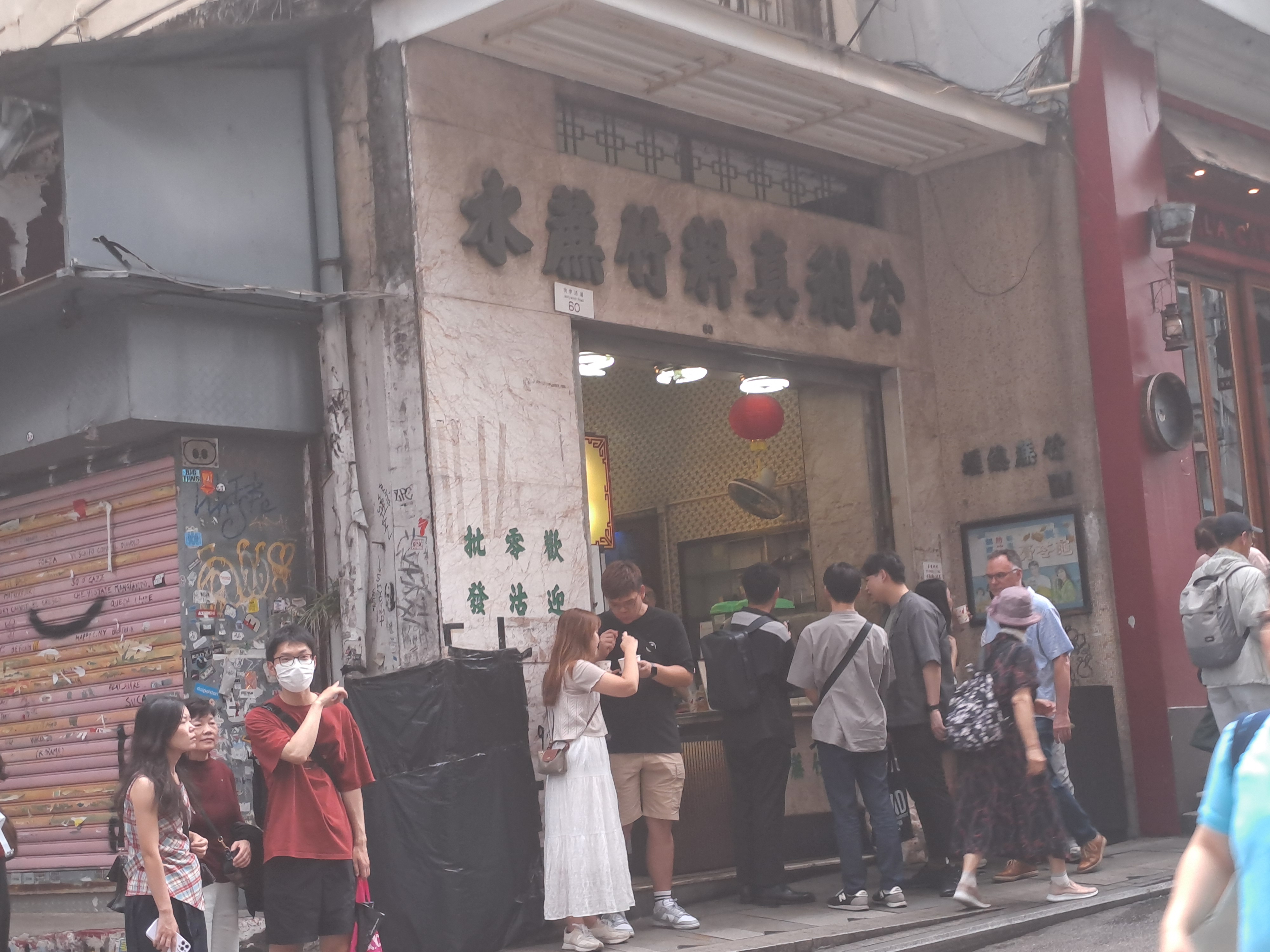

In the sweltering labyrinth of Hong Kong’s Central district, where colonial ghosts mingle with skyscraper ambitions, stands a defiant relic: Kung Lee Herbal Tea Shop. Founded in 1948 by Lam Fong-nam, this unassuming corner spot on Hollywood Road—ironically named, given our topic—has squeezed out a legacy from sugarcane stalks that’s as enduring as it is improbable. For over seven decades, through economic booms, SARS scares, and the relentless march of globalization, Kung Lee has peddled its signature juice: a cooling elixir rooted in traditional Chinese medicine (TCM), promising to douse internal “heat” and restore balance in a city that never cools down. But this isn’t just a tale of sweet sips; it’s a provocative blueprint for Hollywood, that dream factory perpetually thirsty for authentic narratives yet often settling for watered-down tropes. As a scholar unafraid to stir the pot, I’ll dissect Kung Lee’s legacy and argue why its story could irrigate Tinseltown’s parched plots— if only filmmakers dared to extract the real juice.
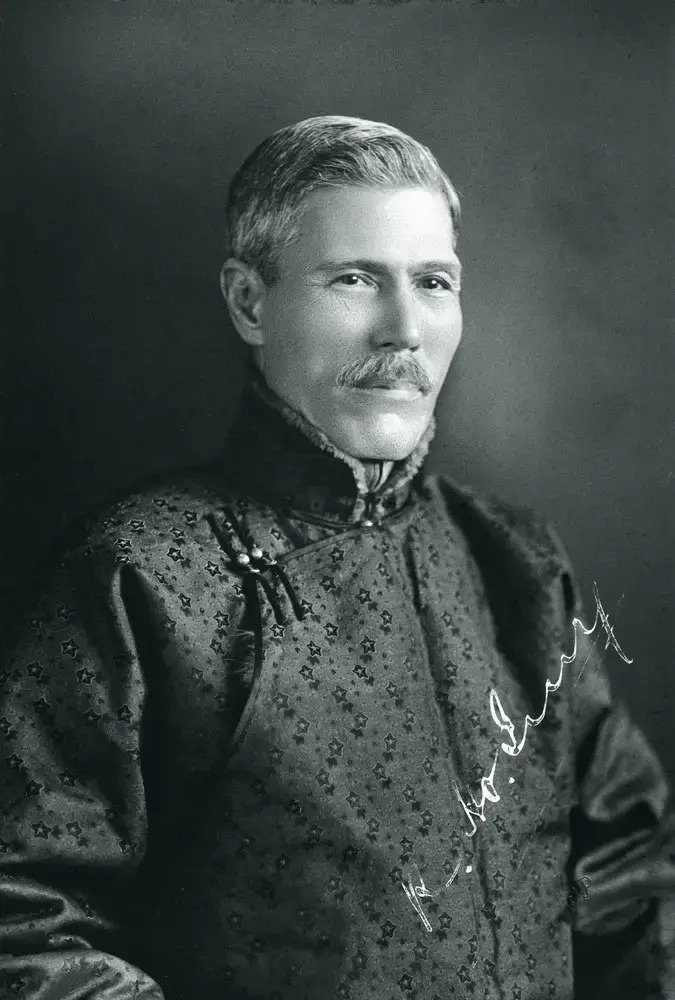
Let’s start with the roots. Kung Lee emerged in post-war Hong Kong, a time when sugarcane juice hawkers roamed streets, peddling raw stalks to chew on for relief from the tropical humidity. Lam Fong-nam mechanized the process with a grinder imported from the era’s ingenuity, peeling, steaming, and pressing black sugarcane from Guangdong or white jade from Guangxi into a light, naturally sweet nectar—no refined sugar added, just pure, “heaty”-mitigating magic as per TCM. By the 1970s, during the golden age of herbal teas, Kung Lee boomed, quenching cinema-goers and blue-collar workers alike. It became a cultural touchstone, embodying Hong Kong’s hybrid identity: a blend of Cantonese tradition and adaptive hustle. Family-owned from the start, it’s now in the hands of fourth-generation heir Ben Tsui (or Chui, depending on the transliteration), who traded an interior design degree for the family grind—literally.
The legacy here is one of gritty resilience, a narrative arc that Hollywood adores but rarely nails with nuance. Kung Lee has weathered existential threats: the 1980s rise of convenience stores and bottled beverages that nearly strangled traditional shops; the 2011 specter of a HK$100 million building sale that could’ve jacked rents sky-high, forcing closure; and ongoing competition from trendy Taiwanese bubble teas. Yet, it persists, churning out up to 600 kilograms of juice daily via that same vintage machine, which re-grinds pulp for maximum extraction— a methodical ritual modern juicers can’t replicate. Tsui’s innovations add layers: online deliveries (a first for such heritage spots), sugarcane-flavored craft beer collaborations with local breweries, and zero-sugar puddings based on his mother’s recipes. This isn’t blind nostalgia; it’s strategic evolution, preserving authenticity while courting millennials and tourists drawn to Hong Kong’s fading “understairs” shops. In a city devouring its history for luxury condos, Kung Lee stands as a provocative symbol of cultural defiance—proof that legacy isn’t inherited; it’s pressed out daily.
Now, pivot to Hollywood, that narrative sugarcane field overgrown with clichés. Tinseltown loves legacy tales: think “The Godfather’s” familial empires, “Ratatouille’s” culinary traditions, or “Crazy Rich Asians'” opulent Asian dynasties. But Kung Lee’s story exposes Hollywood’s bitter aftertaste—its tendency to exoticize or simplify non-Western legacies. Imagine a biopic: not a glossy rom-com, but a gritty drama following Lam Fong-nam’s post-war grit, Tsui Chi-san’s (Ben’s grandfather) stewardship through economic turbulence, and Ben’s modern pivot. The antagonist? Not a villainous rival, but urbanization itself—rising rents, vanishing suppliers (local Chinese sugarcane is extinct, forcing imports), and the cultural amnesia of a globalized youth. Protagonists battle not with fists, but with steamers and grinders, turning “heaty” challenges into cooling triumphs.
Provocatively, this could subvert Hollywood’s Asian stereotypes. No kung-fu masters or dragon ladies here; just a family squeezing survival from humble canes. It echoes “Minari’s” immigrant perseverance but amps the urban edge—Hong Kong’s breakneck capitalism as a character, devouring traditions like a blockbuster villain. Hollywood could learn from Kung Lee’s authenticity: ditch the white savior arcs (looking at you, “The Last Samurai”) and embrace TCM’s holistic worldview, where balance trumps conquest. Apply it to storytelling by infusing scripts with generational tension—Ben’s design background clashing with ancestral methods, mirroring how directors like Ang Lee blend Eastern philosophy into Western forms. Or craft ensemble pieces like “In the Heights,” but set in SoHo’s streets, where sugarcane juice becomes a metaphor for cultural hydration in a dehydrating world.
Critics might scoff: “Too niche!” But that’s the point. Hollywood’s drought stems from fearing specificity; Kung Lee’s legacy proves universality blooms from the particular. Its survival isn’t a fairy tale—it’s a call-out to Big Pharma-esque bottled drink empires, much like indie films challenging studio blockbusters. By adapting this, storytellers could provoke audiences: Why do we romanticize Italian mob families but sidelight Asian shopkeepers? A Kung Lee-inspired film could gross big, tapping nostalgia markets amid Hong Kong’s protest-era renaissance, where heritage is resistance.
In conclusion, Kung Lee’s sugarcane saga isn’t just sweet—it’s a tart reminder that true legacies ferment over time, resisting dilution. Hollywood, take note: stop pressing generic plots and start extracting from real stalks. This story could quench your creative thirst, yielding narratives as refreshing as a chilled cane juice on a humid day. If not, well, the industry’s own legacy might just evaporate.