
A Night at the Premiere: Discovering “Golden Boy” in Hong Kong’s Kai Tak
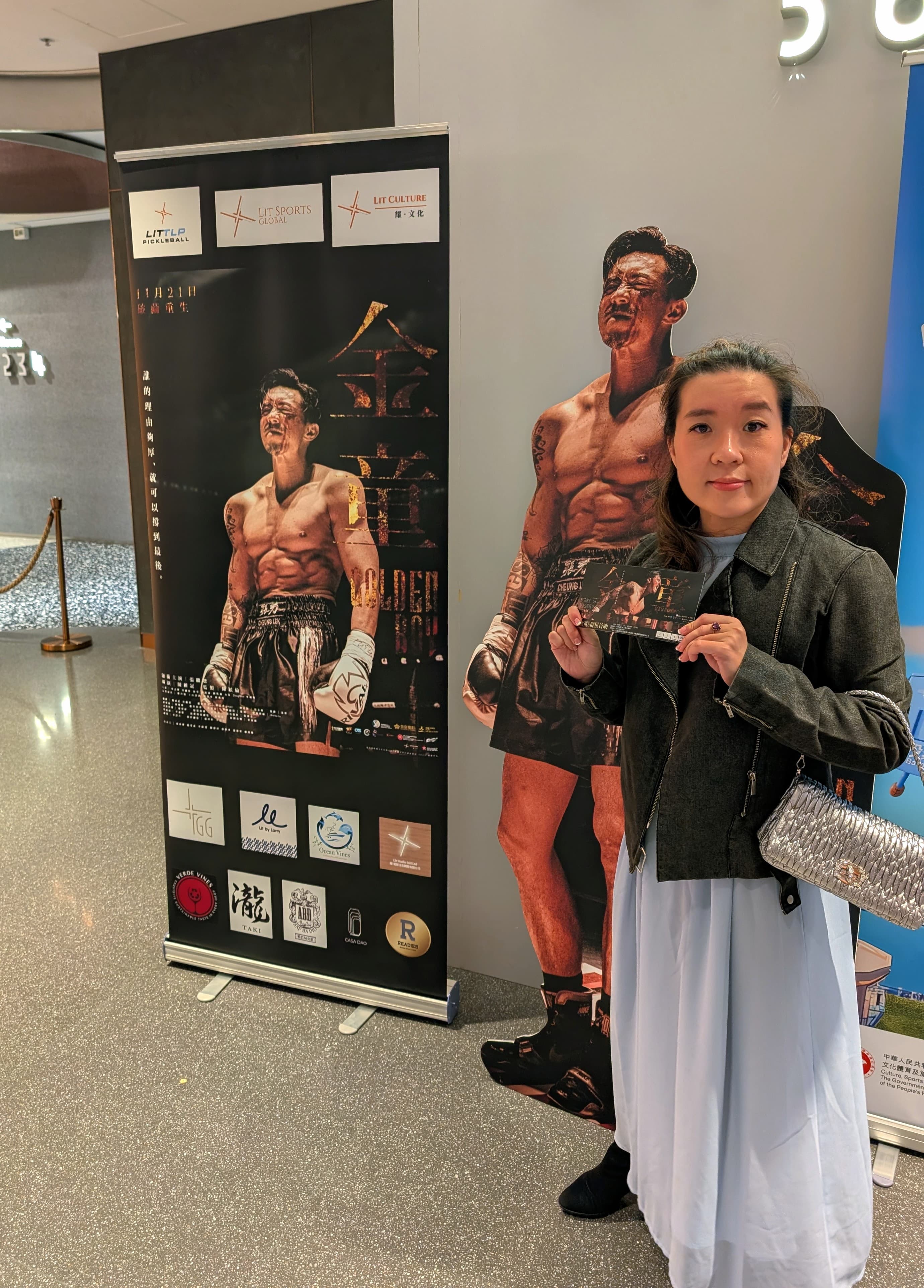
As a film enthusiast living in Hong Kong, I’ve always cherished the thrill of a movie premiere. There’s something electric about being among the first to witness a new story unfold on the big screen, surrounded by fellow fans and the buzz of anticipation. So, when I snagged tickets to the premiere of “Golden Boy” (or “金童” in Chinese) at Airside in Kai Tak, I was over the moon. This sports drama, directed by the talented Wong Jing and starring Louis Cheung. as the lead, promised a heartfelt tale wrapped in action and emotion. Little did I know, the evening would be a mix of regret, revelation, and pure cinematic joy. Let me take you through my experience—warts and all—in this recounting of a memorable night.
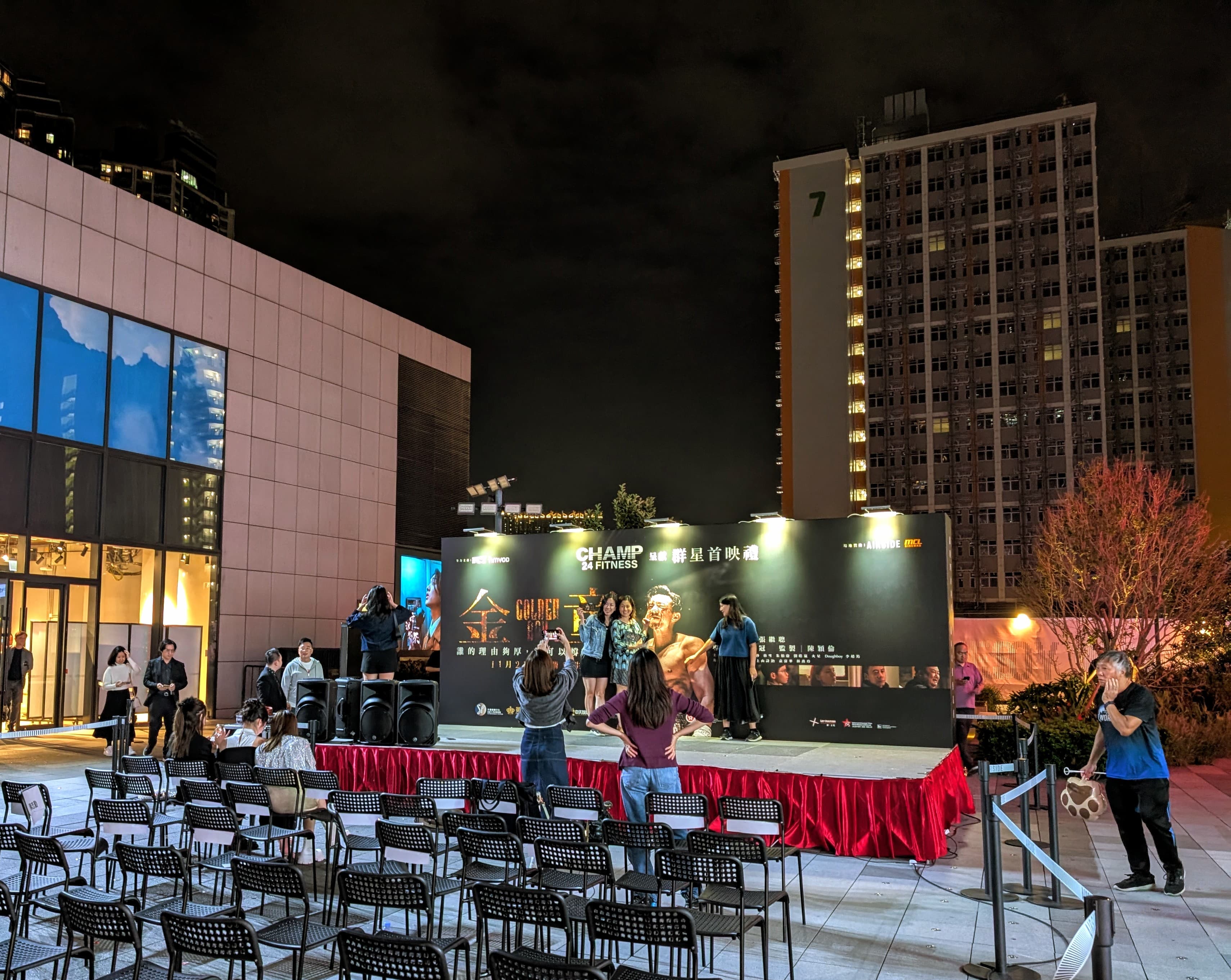
Kai Tak, once Hong Kong’s bustling airport, has transformed into a vibrant district, and Airside mall stands as its shiny centerpiece. The premiere was held there on a crisp evening, with the mall’s modern architecture glowing under the city lights. I arrived fashionably on time—or so I thought—eager to dive straight into the screening. But as I settled into my seat in the theater, I overheard whispers from other attendees about a pre-screening ceremony outside. My heart sank. Pulling out my ticket, I scanned the fine print: yes, there it was, tucked away in tiny font, details about an outdoor event with the cast and crew. A stage had been set up, complete with seating areas, red carpet vibes, and opportunities for photos and autographs. How did I miss that? Blame it on my absentmindedness—I’m the type who reads headlines but skips the details. I kicked myself internally. It was a golden (pun intended) chance to rub shoulders with the stars, and I blew it. Lesson learned: from now on, I’ll treat ticket fine print like sacred text. It won’t happen again, I swear.
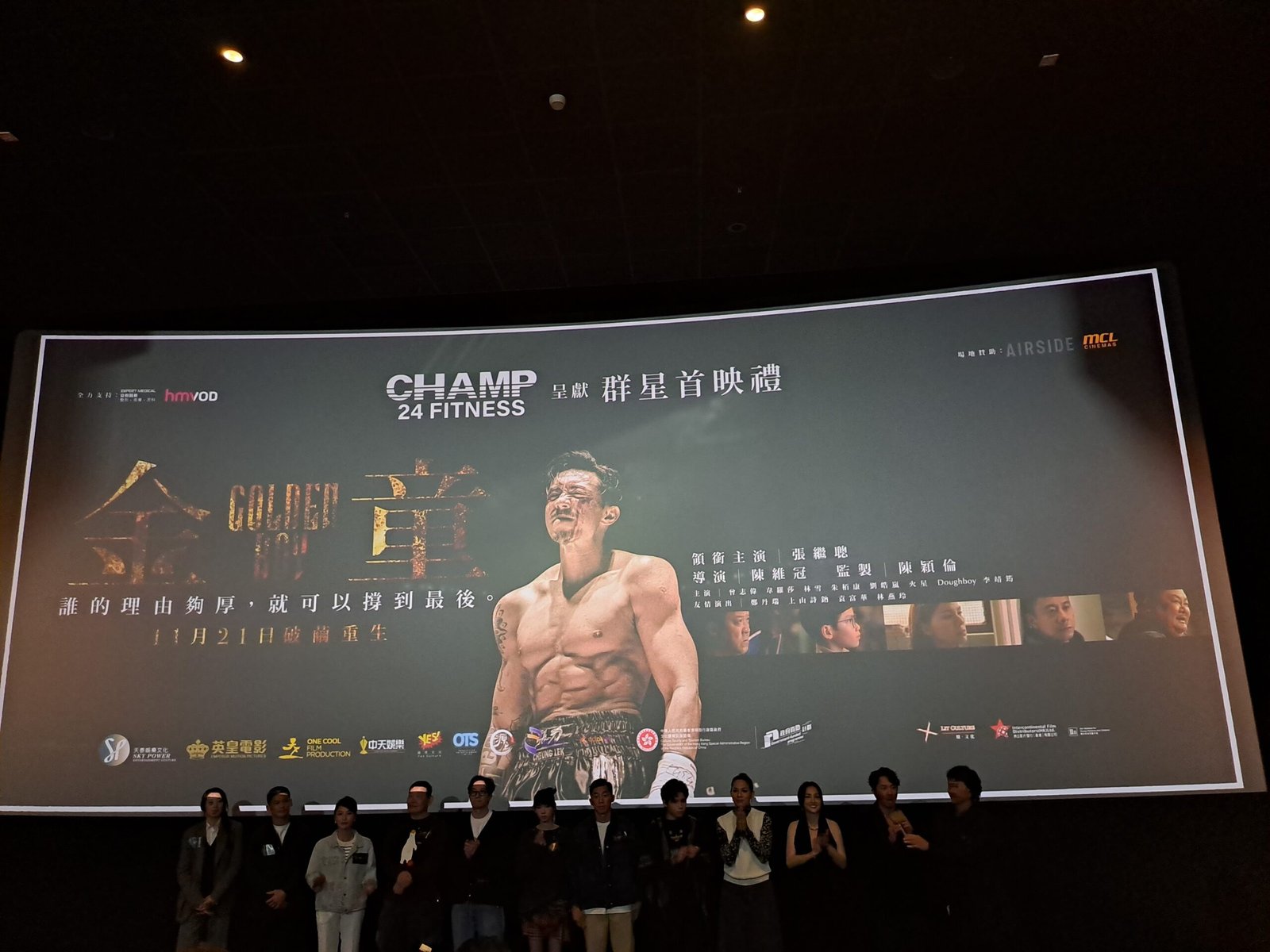
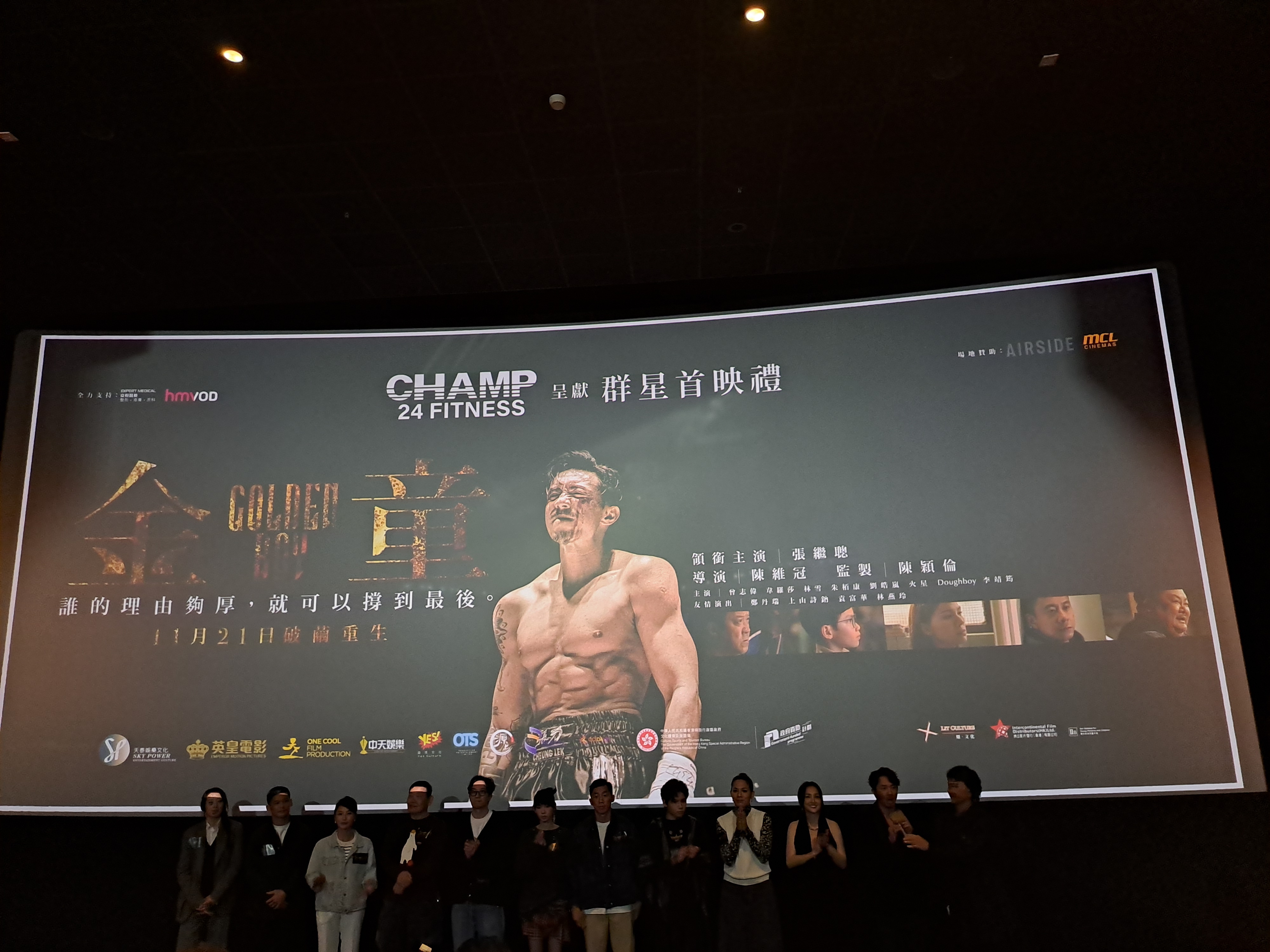
Despite the self-inflicted FOMO, the evening redeemed itself spectacularly. Just as the lights dimmed and the previews wrapped up, the theater doors swung open, and in walked the cast and crew. The audience erupted in applause. Louis Cheung, the legendary comedian turned dramatic powerhouse, led the pack, flanked by co-stars like Teresa Mo and Louis Cheung. They took the stage in front of the screen, introducing themselves one by one in relation to their roles. Hui spoke warmly about portraying the “golden boy” boxer, a character whose glory days are behind him but whose spirit remains unbreakable. The others shared anecdotes about their parts—family members, rivals, and supporters in this underdog story. It was intimate and genuine, a rare peek behind the curtain. Before exiting, they encouraged us to spread the word if we loved the film: “Share it far and wide!” they said with infectious enthusiasm. And oh, did I love it. Immensely.
The film itself? A knockout. “Golden Boy” follows a retired boxer who steps back into the ring not for personal redemption, but for his son, who’s battling a brain tumor. On paper, that sounds like a recipe for tears and despair—think heavy drama with a side of heartbreak. But director Wong Jing flips the script masterfully. It reminded me instantly of “Rocky,” Sylvester Stallone’s iconic rise-from-the-ashes tale, but with a poignant twist: here, the fights are fueled by paternal love rather than individual glory. Yet, unlike the gritty realism of “Rocky,” this movie bursts with uplifting energy. It’s inspiring, yes, but also laugh-out-loud hilarious. Hui’s comedic timing shines through in moments of levity amid the tension, blending humor with high-stakes action. The fight scenes are choreographed with precision, the stunts exhilarating, and the cinematography captures Hong Kong’s urban grit in stunning detail. Expecting a downer, I left the theater energized, my faith in feel-good storytelling renewed.
One aspect that struck me was the film’s subtle nod to diversity. In Hollywood, DEI (Diversity, Equity, and Inclusion) initiatives have faced backlash lately, often criticized for feeling forced—like wielding a sledgehammer instead of a scalpel. But “Golden Boy” handles it with grace. The story seamlessly weaves in a South Asian Hong Kong family, reflecting the city’s multicultural fabric without preaching. It’s organic, enhancing the narrative rather than overshadowing it. This approach harkens back to what DEI could be at its best: inclusive storytelling that feels authentic. If Hong Kong submits this as its entry for the Academy Awards, it could absolutely qualify in the International Feature Film category. The Oscars love underdog stories, and this one packs emotional punch with global appeal.
Speaking of global appeal, I can’t help but think American audiences would eat this up. The U.S. has a long love affair with sports films—from “Field of Dreams” to “Creed”—and “Golden Boy” fits right in. Its themes of family, resilience, and second chances are universal, transcending cultural boundaries. Provided it secures U.S. distribution (fingers crossed for a stateside release), I predict it would resonate deeply. Imagine it playing in theaters across New York or Los Angeles, drawing crowds who cheer for the boxer’s triumphs just as we did in Kai Tak. In a world craving positive, heartfelt content, this film delivers.
All in all, despite missing the pre-screening ceremony, I enjoyed myself thoroughly. The energy in the theater was palpable, the story captivating, and the post-film buzz left me humming the soundtrack on my way home. “Golden Boy” is well worth watching—nay, rewatching. I’ll definitely catch it again in cinemas, not just to support Hong Kong’s burgeoning film industry, which needs all the love it can get amid global competition, but because I genuinely adore the story, the pulse-pounding stunts, the breathtaking cinematography, and the way it balances humor with heart. If you’re in HK or catch it elsewhere, do yourself a favor: grab a ticket, read the fine print, and let this golden gem inspire you. Who knows? It might just become your new favorite underdog tale.