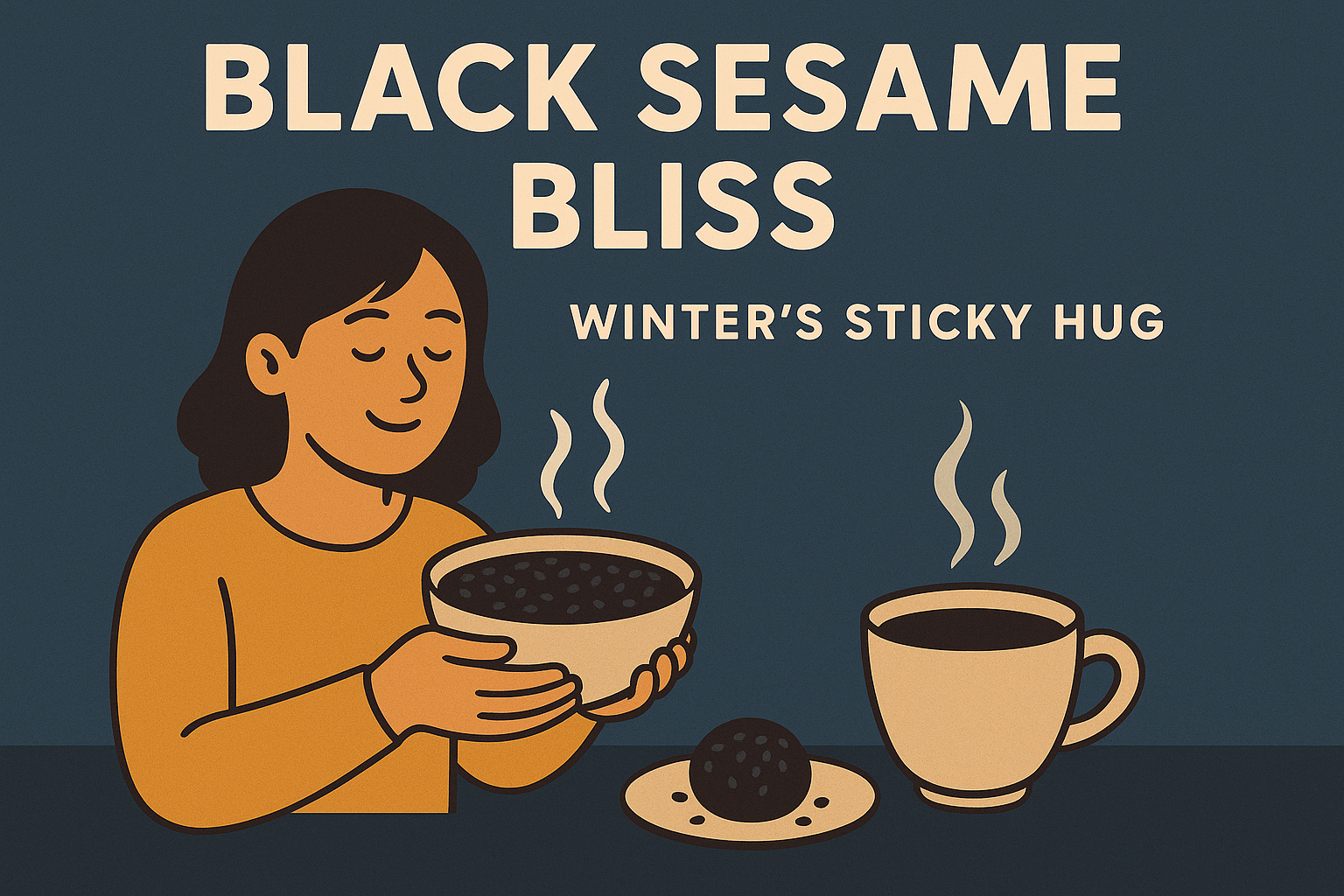
Black Sesame Bliss: Winter’s Sticky Hug
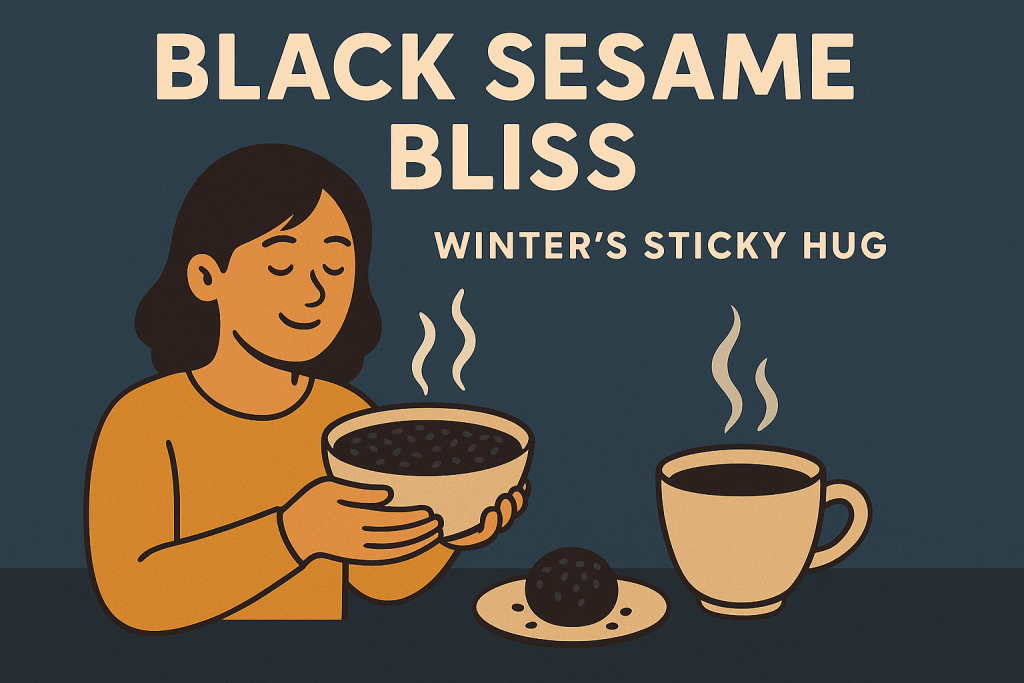
As the chill of December bites into the air, nothing warms my soul quite like a steaming bowl of 黑芝麻湯圓 nestled in piping hot 芝麻糊. This classic Chinese dessert—glutinous rice balls filled with rich black sesame paste, swimming in a velvety sesame soup—evokes memories of cozy Hong Kong dessert shops, where the air hums with the clink of spoons and the subtle nuttiness of roasted seeds. It’s not just food; it’s a ritual of comfort, a bold reminder that simple ingredients can forge unbreakable bonds. But beyond the bowl, this dessert carries a provocative history and cultural weight that Hollywood and cultural consultants alike could wield to shatter stereotypes—if they’re brave enough to dig deeper.
The origins of tangyuan trace back over a millennium, emerging as a humble snack during China’s Song Dynasty (960-1279 CE). Born in the coastal plains, these round dumplings started as savory bites but evolved into sweet treats, with black sesame becoming a favored filling for its earthy, aromatic depth. Black sesame, ground into a paste, offers a lava-like ooze that contrasts the chewy glutinous rice exterior, creating a textural symphony that’s both indulgent and grounding. By the Ming and Qing dynasties, tangyuan had solidified its place in festivals, particularly the Lantern Festival (Yuanxiao) and Winter Solstice (Dongzhi). The round shape isn’t accidental—it’s a straightforward symbol of completeness, unity, and family reunion, echoing the full moon and the cyclical nature of life. In Chinese culture, eating tangyuan during Dongzhi marks the arrival of longer days, a neutral acknowledgment of nature’s rhythms, but it’s provocative in its insistence on togetherness amid isolation. Families gather to roll the dough, stuff the fillings, and boil them in sweet soups like ginger or, in this case, sesame paste—a ritual that binds generations without fanfare.
This dessert’s journey to Hong Kong mirrors the city’s own layered history. Hong Kong’s dessert culture exploded in the mid-20th century, fueled by waves of immigrants from Guangdong and other southern provinces fleeing turmoil on the mainland. Cantonese tong sui (sweet soups) shops proliferated, turning simple treats into urban staples. Black sesame tangyuan in sesame paste fit seamlessly into this scene, offered in iconic spots like Hui Lau Shan or street-side vendors. Post-World War II, as Hong Kong boomed economically, these shops became social hubs, blending tradition with accessibility. The dessert’s popularity surged because it’s affordable, nourishing, and adaptable—black sesame provides a nutty warmth ideal for humid winters, while the paste soup adds a creamy indulgence that’s distinctly Cantonese. Today, it’s ubiquitous in HK’s dessert landscape, from hole-in-the-wall eateries to modern chains, a straightforward evolution from rural rituals to city comfort. Yet, provocatively, this ubiquity challenges the notion of “exotic” Asian food; it’s everyday sustenance, not some mystical artifact.
Now, imagine applying this dessert’s essence to Hollywood storytelling—not as a prop, but as a bold narrative tool. Hollywood has long exoticized Chinese culture, reducing it to kung fu clichés or dragon parades, ignoring the quiet power of everyday symbols like tangyuan. Provocatively, why not use black sesame tangyuan to drive plots about reunion and resilience? Picture a film where a diaspora family, fractured by migration, reunites over a steaming bowl—the round dumplings symbolizing mended bonds, the black sesame filling representing hidden depths of heritage. This isn’t sentimental fluff; it’s objective reality drawn from cultural significance, where food anchors emotional arcs without stereotypes. Films like Crazy Rich Asians dipped toes into Asian rep, but often stayed surface-level with lavish banquets. A bolder approach: integrate tangyuan into thrillers or dramas, showing characters navigating identity crises through its preparation—grinding sesame as metaphor for processing trauma. Neutral in execution, this provokes audiences to question why Asian stories are so rarely grounded in such authentic, relatable elements, pushing Hollywood to evolve beyond tokenism.
extending this, cultural consultants such as I can apply tangyuan’s lessons far beyond storytelling, serving as neutral guides in media, corporate training, or diplomacy. In consulting, food like this becomes a straightforward tool for education: workshops where participants make black sesame tangyuan to grasp concepts of unity and cultural depth. Provocatively, consultants such as I could challenge brands or filmmakers exploiting “Asian fusion” by highlighting tangyuan’s history—insisting on authenticity to avoid cultural dilution. For instance, advising a Hollywood production on a Chinese family scene: recommend tangyuan over generic dim sum to convey Dongzhi’s symbolism, ensuring representations ring true rather than performative. This isn’t preachy; it’s practical, using the dessert’s neutral symbolism to bridge gaps in understanding. In global consulting, it could even inform policy, like promoting cultural exchange programs centered on food rituals to foster empathy amid tensions.
In a world quick to commodify culture, black sesame tangyuan in sesame paste stands as a provocative yet straightforward emblem: warm, unassuming, and profoundly connective. Whether savored in a HK shop or dissected in a script, it demands we confront the richness of traditions head-on. Next winter chill, grab a bowl—it’s more than comfort; it’s a call to authenticity.