Stars Over Victoria: HK Fame vs Hollywood Spotlight
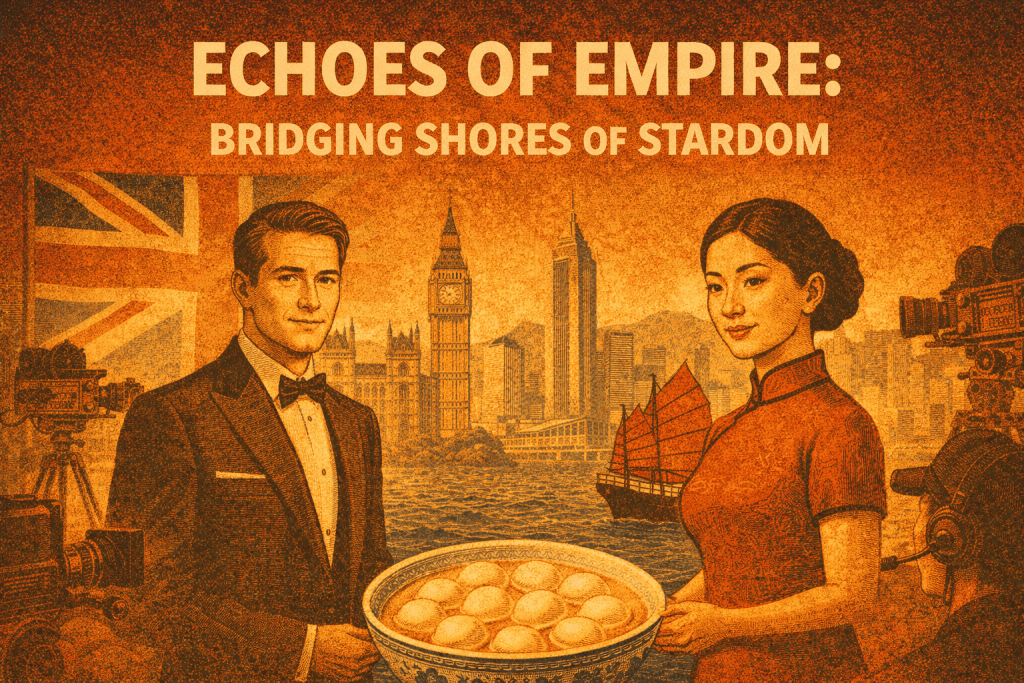
In the interconnected world of 2025, I view celebrity culture as a mirror to societal priorities, where fame functions as both a commodity and a cultural artifact. As a fledgling Hollywood cultural consultant specializing in Hong Kong (香港, Hoeng1 gong2, Hong Kong) culture, I compare and contrast the celebrity landscapes of HK and the United States, identifying shared media-driven adoration alongside divergences in values, privacy norms, and narrative styles. Through this lens, I explore how these dynamics inform my work in cross-cultural storytelling, proposing narratives inspired by HK’s unique celebrity ecosystem to enrich American screens.
I observe that both regions feature intense media scrutiny fueling economic ecosystems. In HK, paparazzi—known as 狗仔隊 (gau2 zai2 deoi6, paparazzi)—relentlessly pursue stars, often unearthing scandals that dominate tabloids. Similarly, in U.S. Hollywood, paparazzi stake out homes and sets, capturing unscripted moments for 24/7 news cycles and social media. Fandom drives commerce in both: HK’s Mirror boy band generates billions in economic ripple effects through fan-funded campaigns, much like Taylor Swift’s Eras Tour boosts U.S. local economies. Cross-pollination occurs, with HK stars like Jackie Chan and Michelle Yeoh migrating to Hollywood, blending martial arts with American blockbusters. These parallels highlight a globalized fame machine, where celebrities embody aspiration and consumerism, often at personal cost.
Yet, I note stark contrasts revealing cultural rifts. HK celebrity culture prioritizes privacy in personal relationships, with public romances often penalized to preserve fan loyalty and focus on talent—a norm aligned with broader Asian pop standards. Scandals, such as the 2008 Edison Chen photo leak involving actresses like Cecilia Cheung, arise from discretion breaches, leading to career halts rather than publicity gains. In the U.S., I see stars leveraging relationships and controversies for branding, as in pairings like Kim Kardashian and Kanye West, where drama amplifies visibility. Content tones differ: HK’s Cantopop (粵語流行音樂, Jyut6 jyu5 lau4 hang4 jam1 ngok6, Cantopop) emphasizes positive, inspirational messages of ambition and self-growth, as in Mirror’s anthems subtly nodding to local identity amid socio-political tensions. U.S. pop, however, often incorporates darker themes of violence, misogyny, and excess, reflecting tolerance for explicit narratives over modesty. Valuation of fame varies; in HK and related Chinese contexts, celebrities (名人, ming4 jan4, famous people) earn respect for work ethic and social responsibility, fitting collectivist ideals. American celebrity status appears more fluid and lottery-like, linked to viral moments and consumerism, fostering narcissism and obsessive fan behaviors. These differences prompt me to question: Does HK’s restrained excess in entertainment—hyper-fast pacing without emotional restraint—offer a counterpoint to Hollywood’s polished realism, or does it risk dilution in global markets?
In my role as a Hollywood consultant bridging HK expertise, I identify opportunities to infuse U.S. productions with these nuances, enhancing authenticity in Asian-American narratives. HK’s celebrity culture, from 1960s cinema stars to 1980s Cantopop icons like Leslie Cheung, embodies resilience through colonial and post-handover shifts. This informs my advice on scripts portraying diaspora experiences, ensuring cultural accuracy beyond stereotypes. For example, I can consult on wardrobe or dialogue incorporating Cantonese idioms, elevating token roles to layered characters.
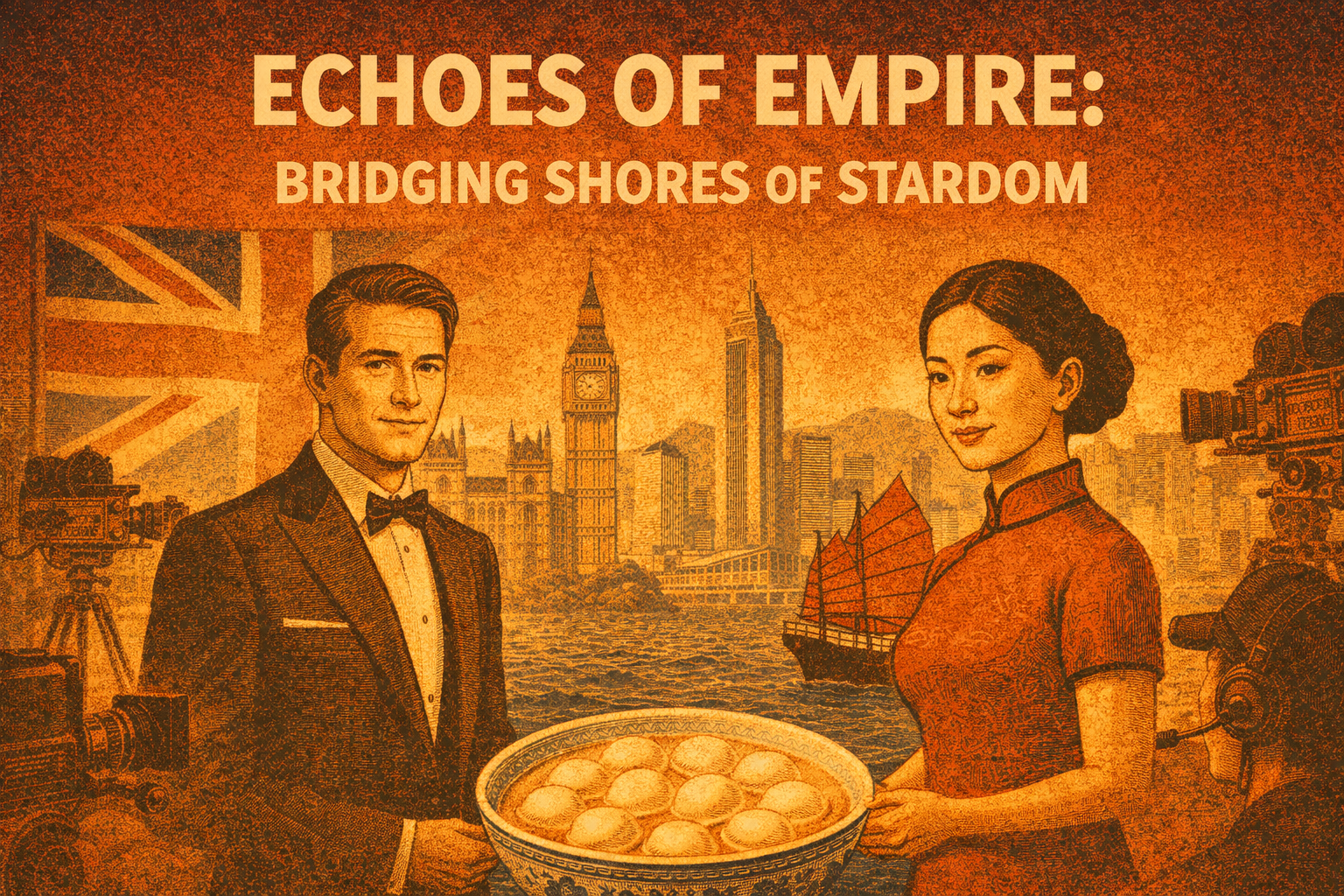
Drawing inspiration from HK celebrity culture, I propose several stories for Hollywood adaptation. One could be a thriller I envision centered on a 狗仔隊 chase, where a journalist uncovers a star’s hidden philanthropy amid scandal, contrasting U.S. paparazzi’s profit-driven intrusions with HK’s societal accountability—provoking viewers on media ethics. Another: a biopic I suggest of a Cantopop idol navigating fame’s dual shores, inspired by Mirror’s intergenerational fandom and positive messaging, to explore identity in a globalized world, challenging American individualism with collectivist triumphs. I also imagine a romantic drama depicting a cross-cultural affair between a HK star and Hollywood actor, highlighting privacy clashes—public in the U.S., taboo in HK—leading to themes of cultural negotiation and personal sacrifice. Or, a satirical comedy on fan economies, where a viral HK influencer disrupts a U.S. awards show, blending excess aesthetics with social responsibility, questioning fame’s commodification. These tales, grounded in my objective cultural observations, could foster hybrid genres appealing globally.
Ultimately, I conclude that HK and U.S. celebrity cultures, while intertwined, reveal enduring divides in how fame intersects with values. As borders blur, I believe consultants like myself can facilitate stories that honor both, prompting audiences to reflect on fame’s universal yet localized costs.