
The Anatomy of Professional Charm: Fandom Logistics and the Mythic Couple at Hong Kong Comic Con.
The air is still, yet the spirit remains restless. Welcome to Friday’s Lifestyle transmission.
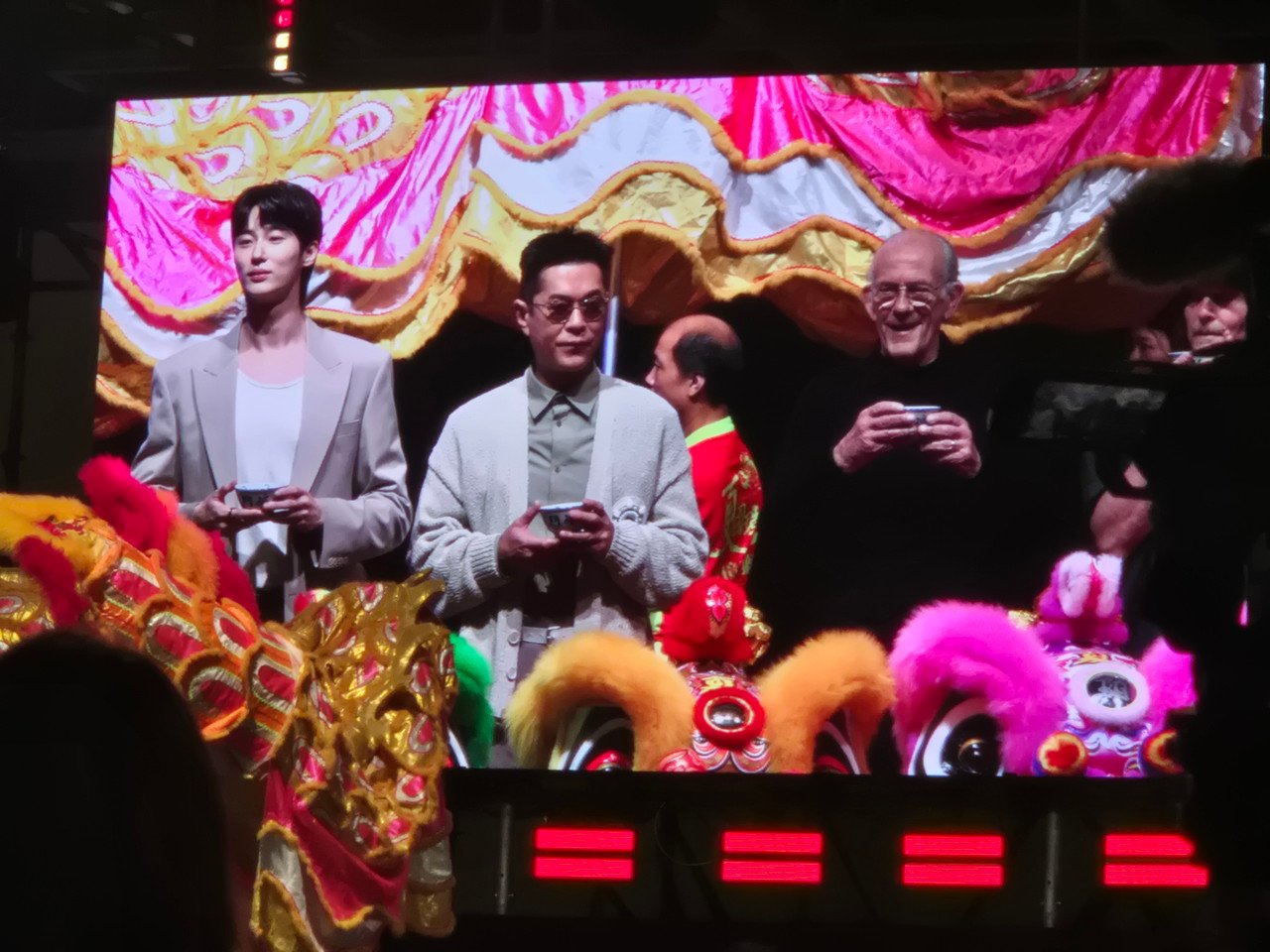
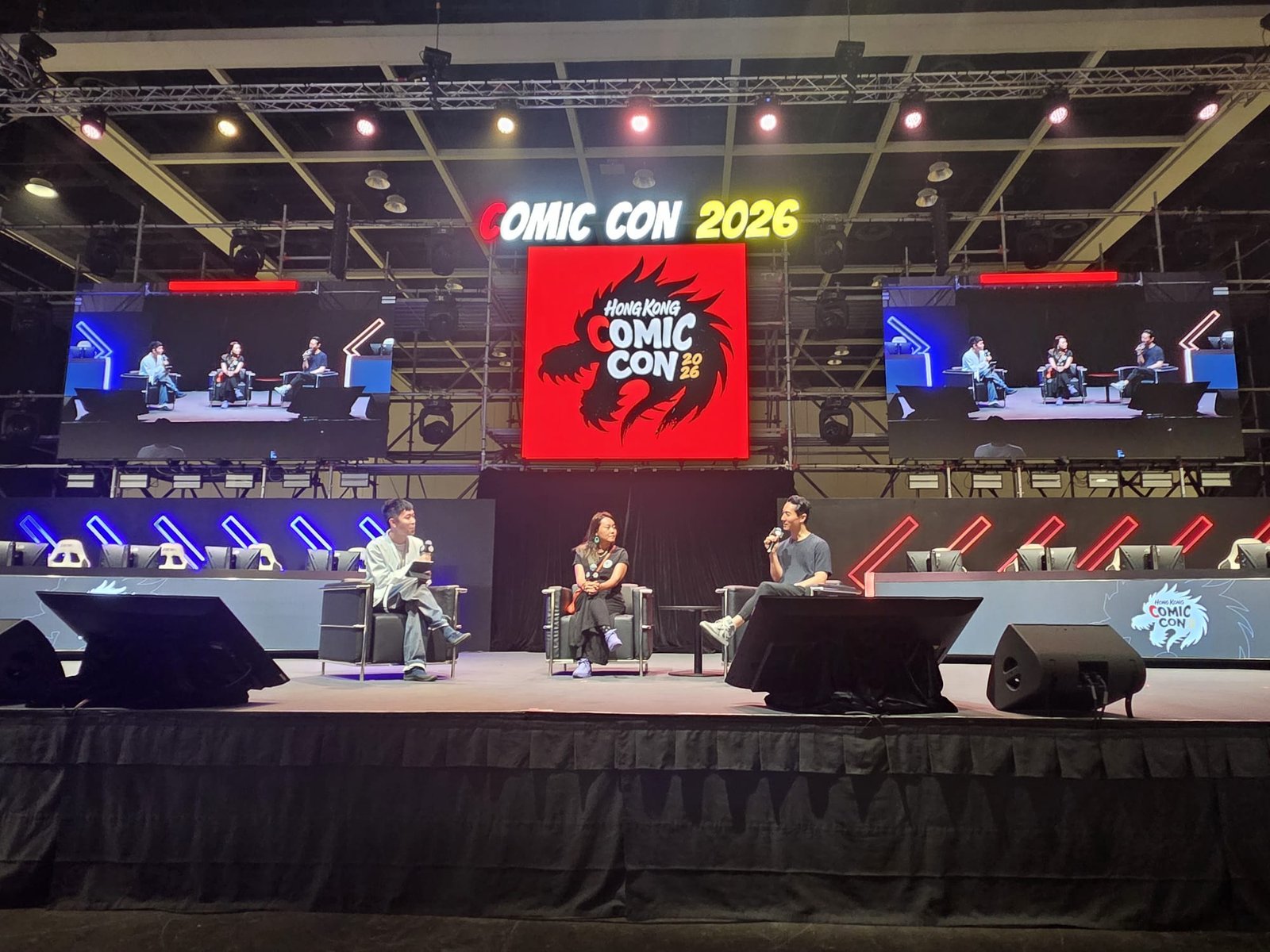
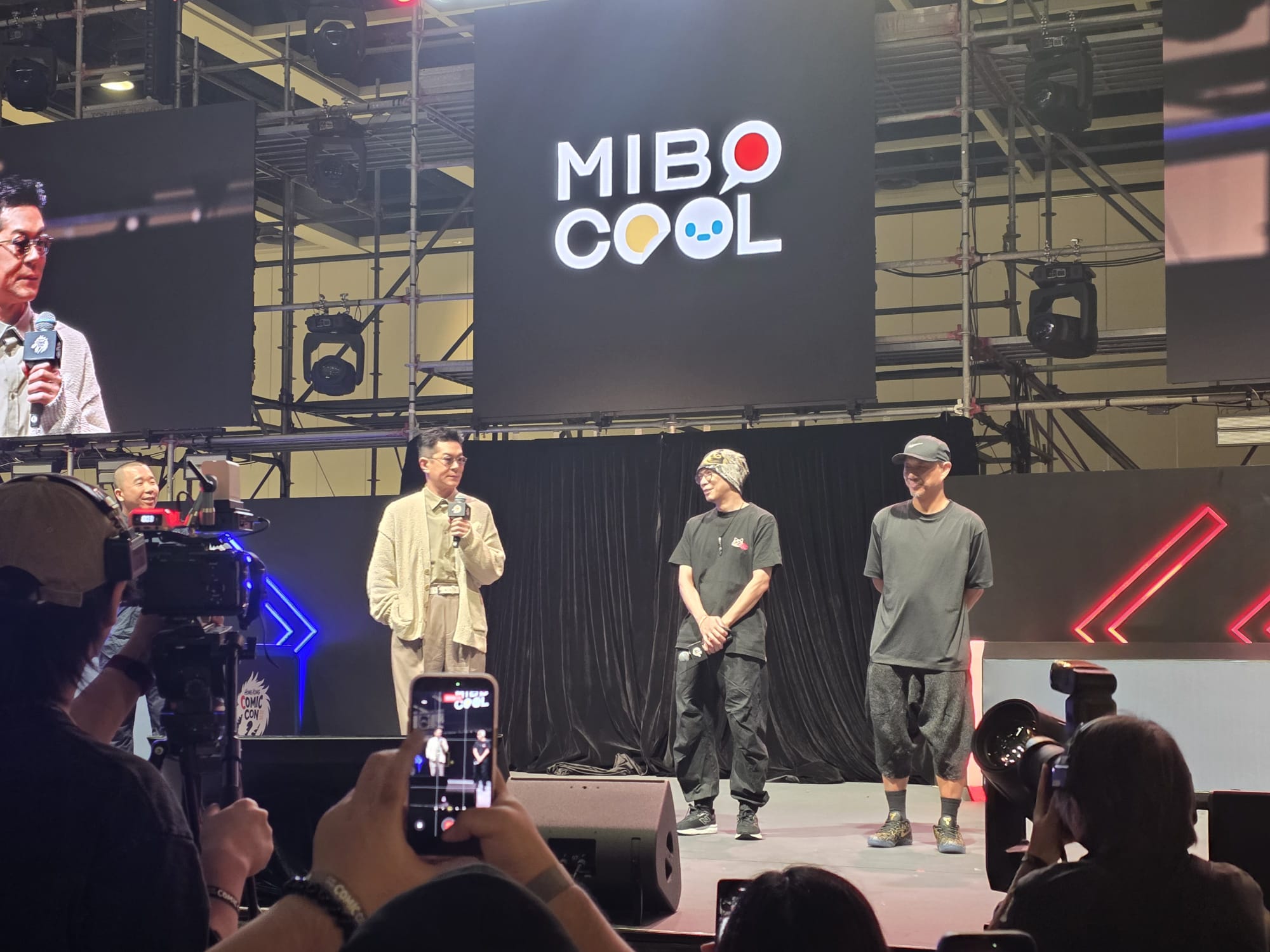
It is Friday, the 5th of June 2026. To consult for Hollywood on the shifting paradigms of global pop culture, an independent executive must be present where the capital meets the crowd. This past weekend, the inaugural Hong Kong Comic Con 2026 took over the HKCEC, establishing a vital new nexus for the entertainment industry in Asia. Mirroring the blueprint of its parent Con in San Diego, the convention floor became a battleground of announcements. As I noted two days ago, we witnessed major project launches, including MiboCool’s presentation of Louis Koo’s ZK the Nekro Blade (斬魔君鍾馗) and Stephen Fung’s preview of his original animated series, Bucket Man.
Navigating the showroom floor was more than a study in market trends; it was a firsthand lesson in the raw mechanics of star power and the logistical realities of high-volume public relations.
The Anatomy of Professional Charm: Jamie Campbell Bower
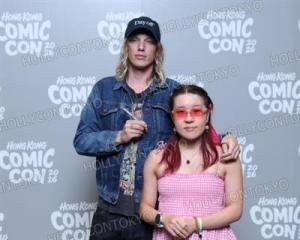 During the convention, I took the tactical opportunity to participate in the photo-op session with Jamie Campbell Bower—the striking talent behind Vecna in Stranger Things and Jace Wayland in The Mortal Instruments, as well as a formidable musician in his own right. Given his ethereal aesthetic and remarkably soft-spoken, silky vocal delivery, it was no surprise that the queue was dominated entirely by women, myself included.
The experience was a revelation in industry professionalism. The photo-op line operates as a human conveyor belt, moving hundreds of attendees per hour with rapid, mechanical efficiency. Yet, it was precisely within this high-velocity environment that I recognized Bower’s immense discipline. To step into a frame with a stranger every few seconds, maintain total presence, and make each individual feel uniquely acknowledged requires an exceptional level of emotional stamina. It is a reminder that in the global entertainment market, charisma is not an accident; it is an intentionally managed professional asset.
The Structural Logic of The Terminus
This encounter immediately reoriented my strategic mapping for the cinematic universe I am constructing. To clarify the architecture of my slate: the three-minute pitch teaser I intend to film for Jacqueline Carey to acquire the rights is the non-commercial “Spec” proof of concept. The actual potential project itself, Kushiel’s Legacy: The Terminus, is designed as a fully commercial, action-heavy feature film. It will serve to whet the global audience’s appetite and introduce them to the expansive boundaries of Terre d’Ange, Carthage, and Lucca on the silver screen. Given the enduring market appetite for alternative historical fantasy, a successful proof-of-concept trailer will ensure that The Terminus secures the theatrical backing warranted for a major cinematic launch.
Observing Bower’s precise mix of intense gravitas and soft elegance completely locked in my casting archetypes for the main adaptation down the line. My long-term blueprint places Jamie Campbell Bower as the definitive choice to embody the lethal, stoic grace of the Cassiline Brother, Joscelin Verreuil. Opposite him, the striking Mathilde Ollivier remains my absolute target to portray his ward, the submissive courtesan-spy Phèdre nó Delaunay.
I am not tracking a simple concept of quiet majesty with this pairing; I am seeking to forge a couple of truly iconic, star-crossed lovers. I want their onscreen dynamic to echo the monumental, mythic romanticism of pairings that have defined generations of storytelling—such as Mamoru and Usagi (Sailor Moon), Tamahome and Miaka (Fushigi Yûgi), or Tolkien’s ultimate paradigm of Beren and Lúthien. To see Bower and Ollivier translate that specific, tragic, and unyielding emotional depth onto the screen is exactly what the weight of Carey’s text demands.


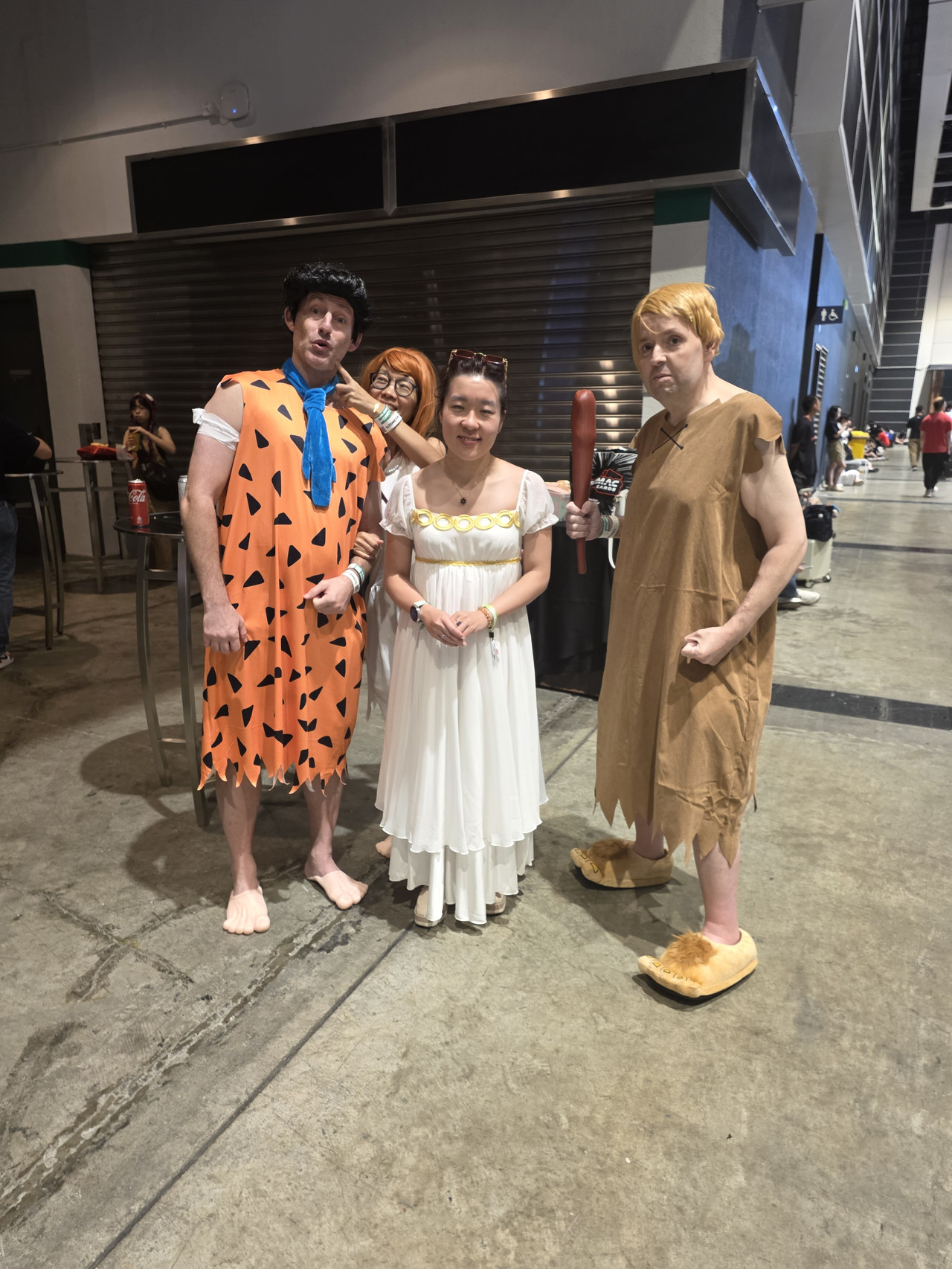
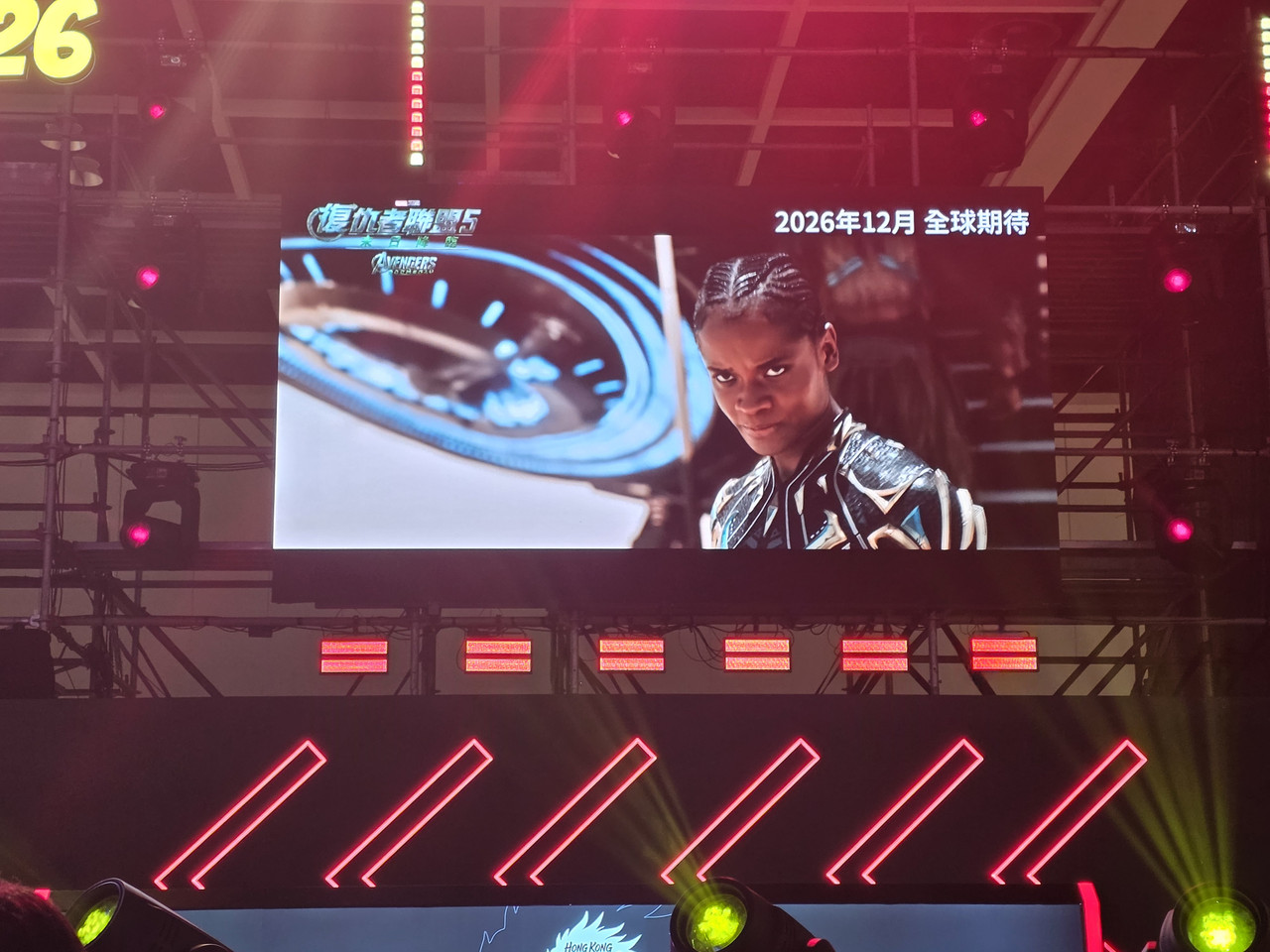

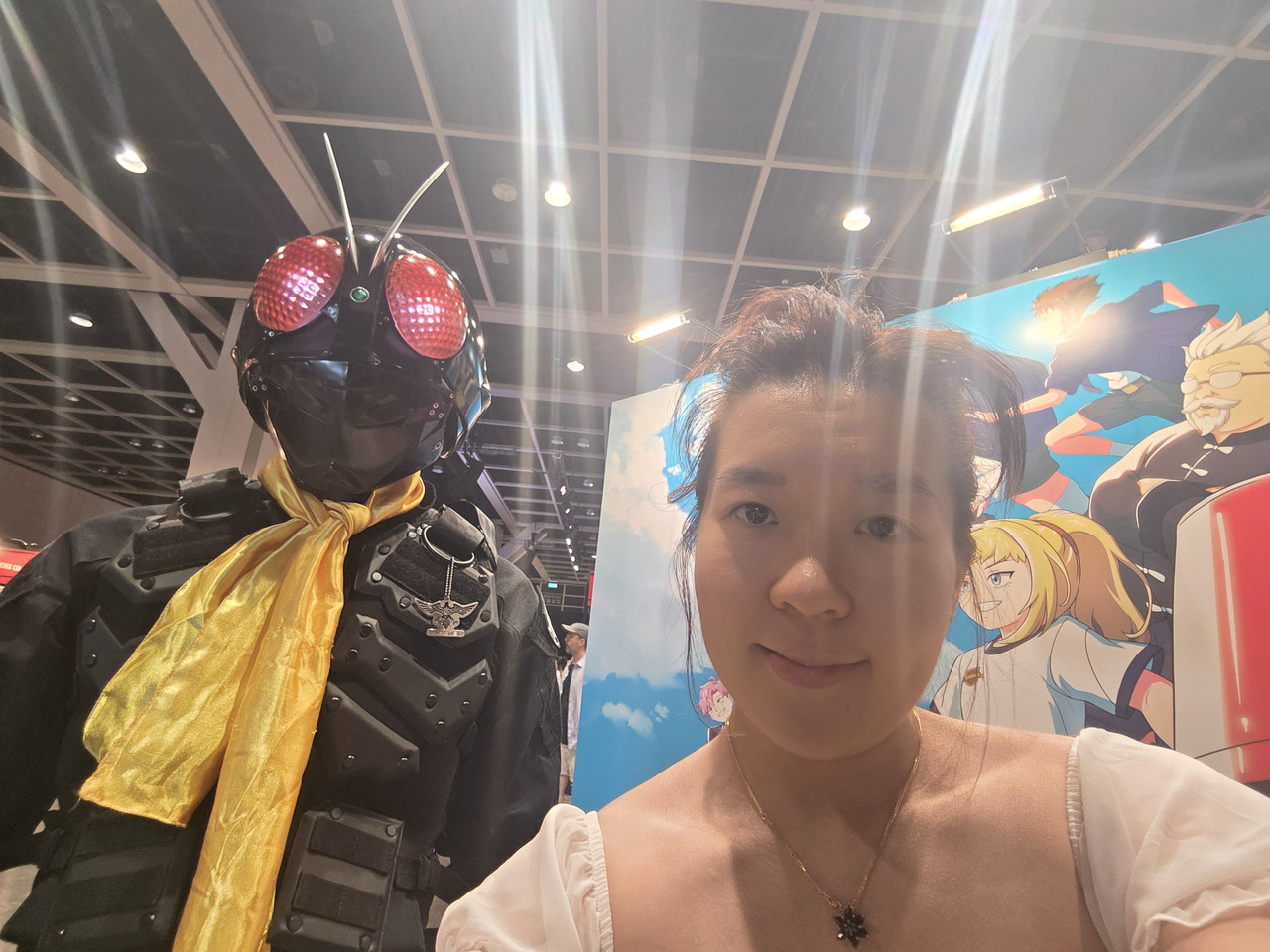
The Three Friction Points: Notes from the Floor
While the convention was a resounding commercial triumph with immense attendance figures ensuring a packed return for next year, a producer must always log the operational failures of an event. I observed three distinct hiccups:
1. The Temporal Delay: The opening ceremony was plagued by an uncoordinated 28-minute delay. In an industry where time equates directly to capital, a temporal lapse of this magnitude signals a breakdown in stage management.
2. The Priority Illusion: I discovered that my Premium tier ticket did not grant access to the priority fast-track queue. That tier was strictly gated behind an exclusive corporate partnership requiring an HSBC Red credit card. To bypass the bottleneck, I had to borrow my cousin’s card—a sharp lesson in how modern entertainment events use financial architecture to structure crowd logistics.
3. The Wardrobe Failure: On the second day, which I attended alongside my childhood friend, Hector Chow, the structural integrity of my left boot failed as the heel began breaking apart from the sole. Fortunately, the convention’s floor crew possessed heavy-duty duct tape, which Hector expertly utilized to secure the heel back to the shoe. It was a visceral reminder that a utility belt and basic repair materials are mandatory for survival on any production floor.

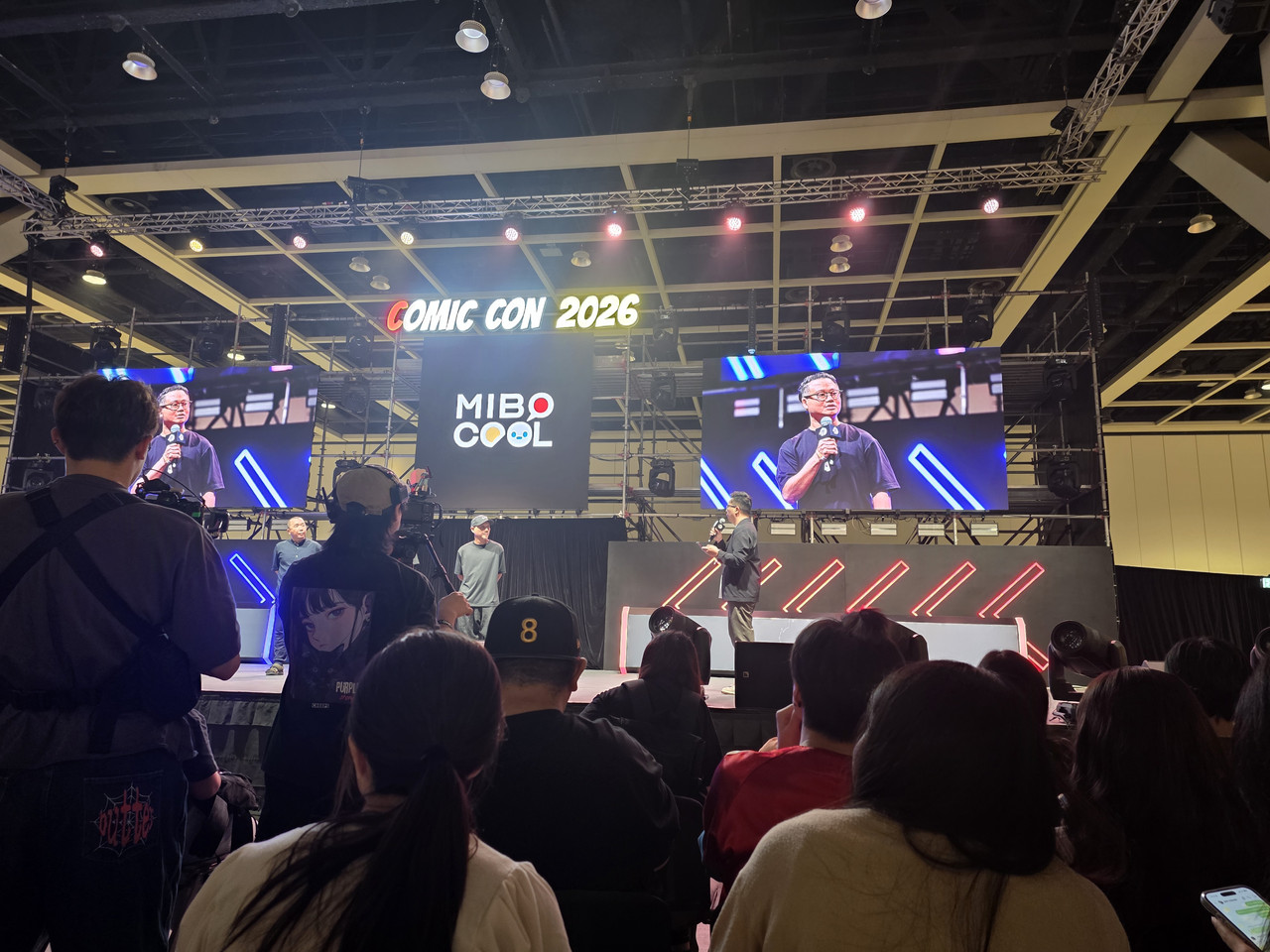


The Executive Horizon
All in all, my inaugural experience at Hong Kong Comic Con was an invaluable immersion into the secular heart of global fandom. Navigating the crowd with Hector, observing the star power of talent like Bower, and analyzing the corporate branding of industry giants has only sharpened my resolve.
I enjoyed myself immensely as an attendee, but I am treating this weekend as a rehearsal. My ultimate goal is not to wait in the queues of the convention center, but to return to this stage as a producer, showrunner, and executive producer—standing onstage to dictate the narratives that the global market will consume.
The fire within me burns steady, fully aligned with the scale of the stage.
Until the wind shifts again.
— Zephyr Chan