The Archive and the Auteur: Reflections on the 50th HKIFF
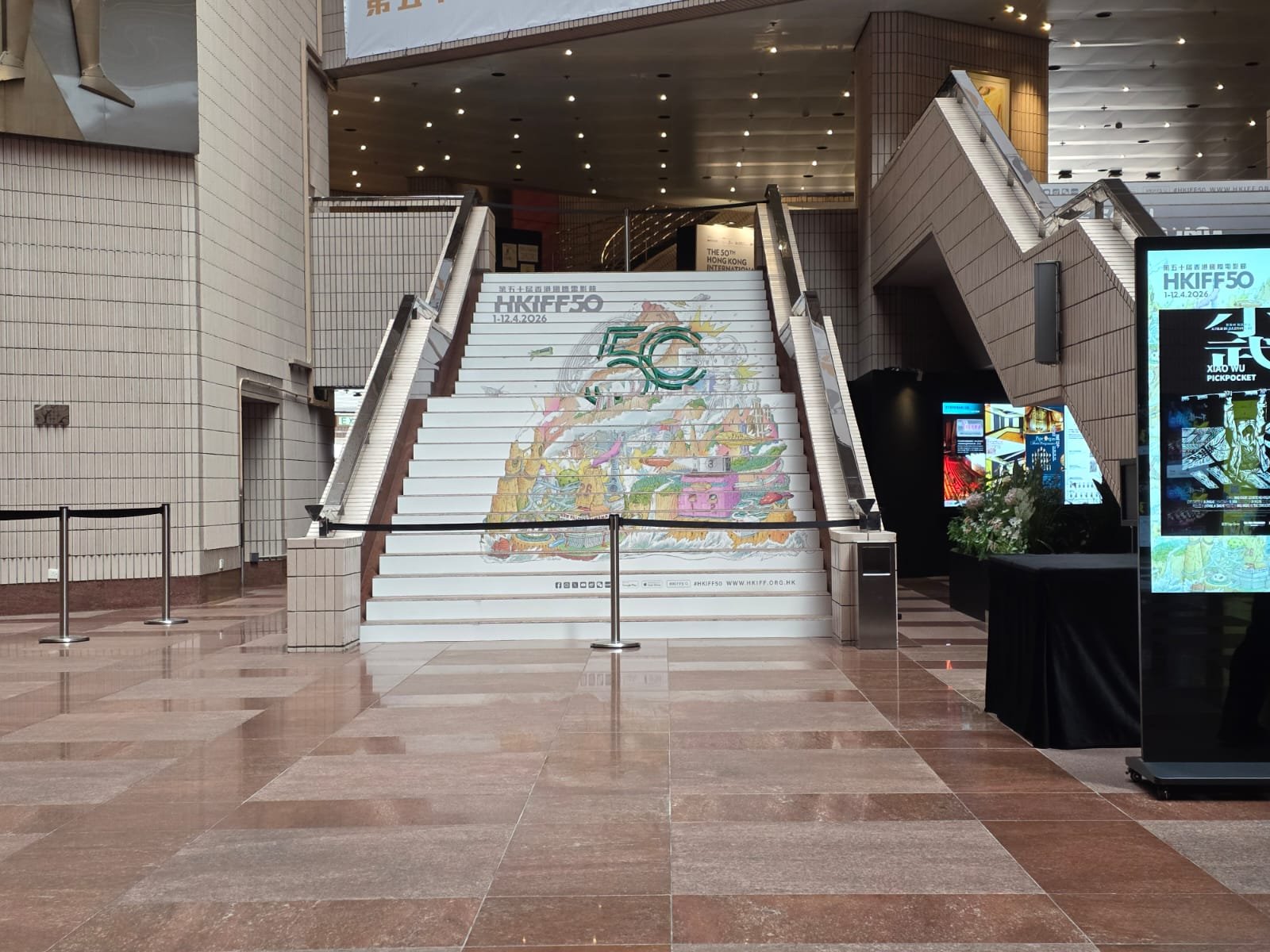
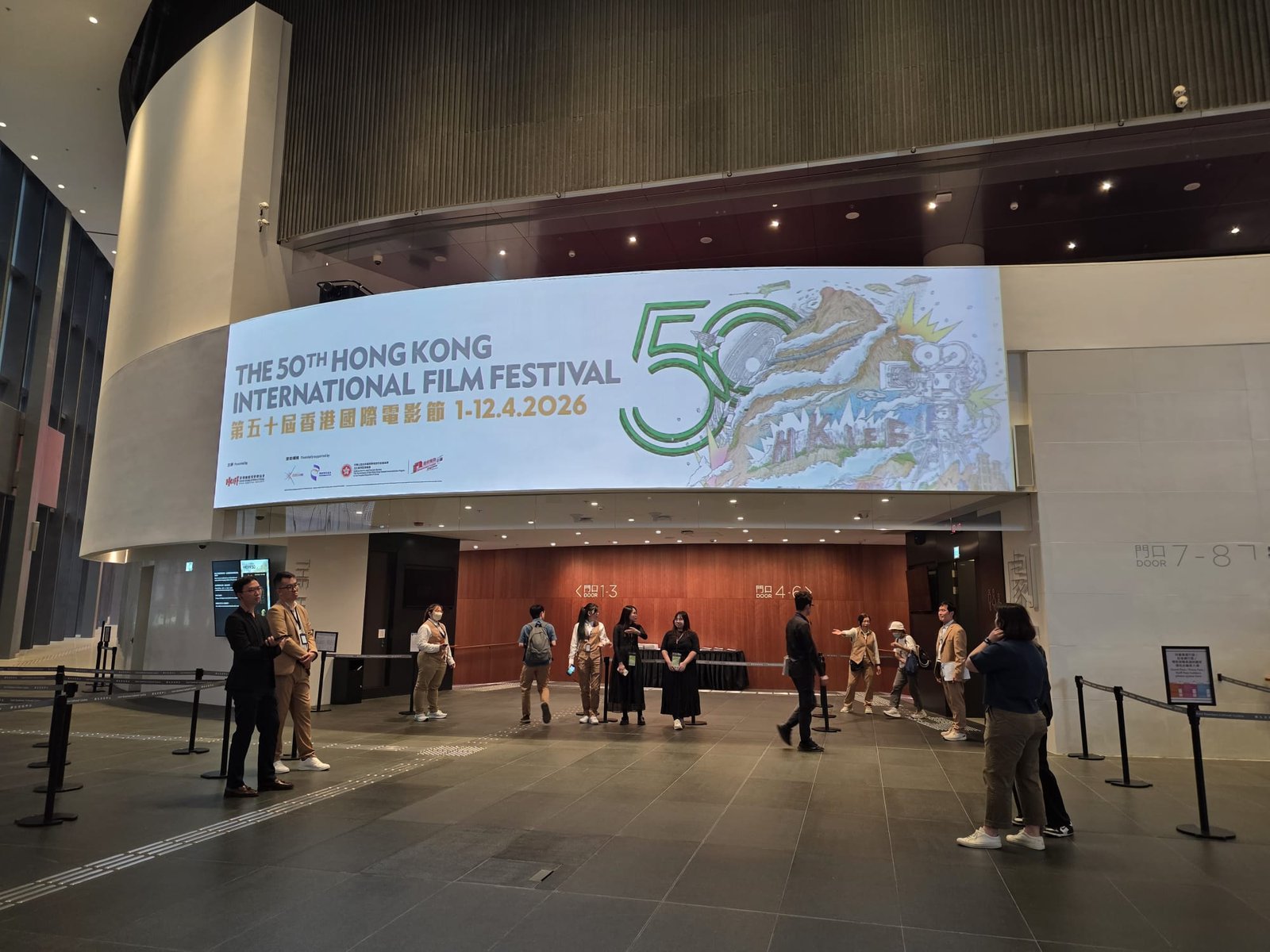
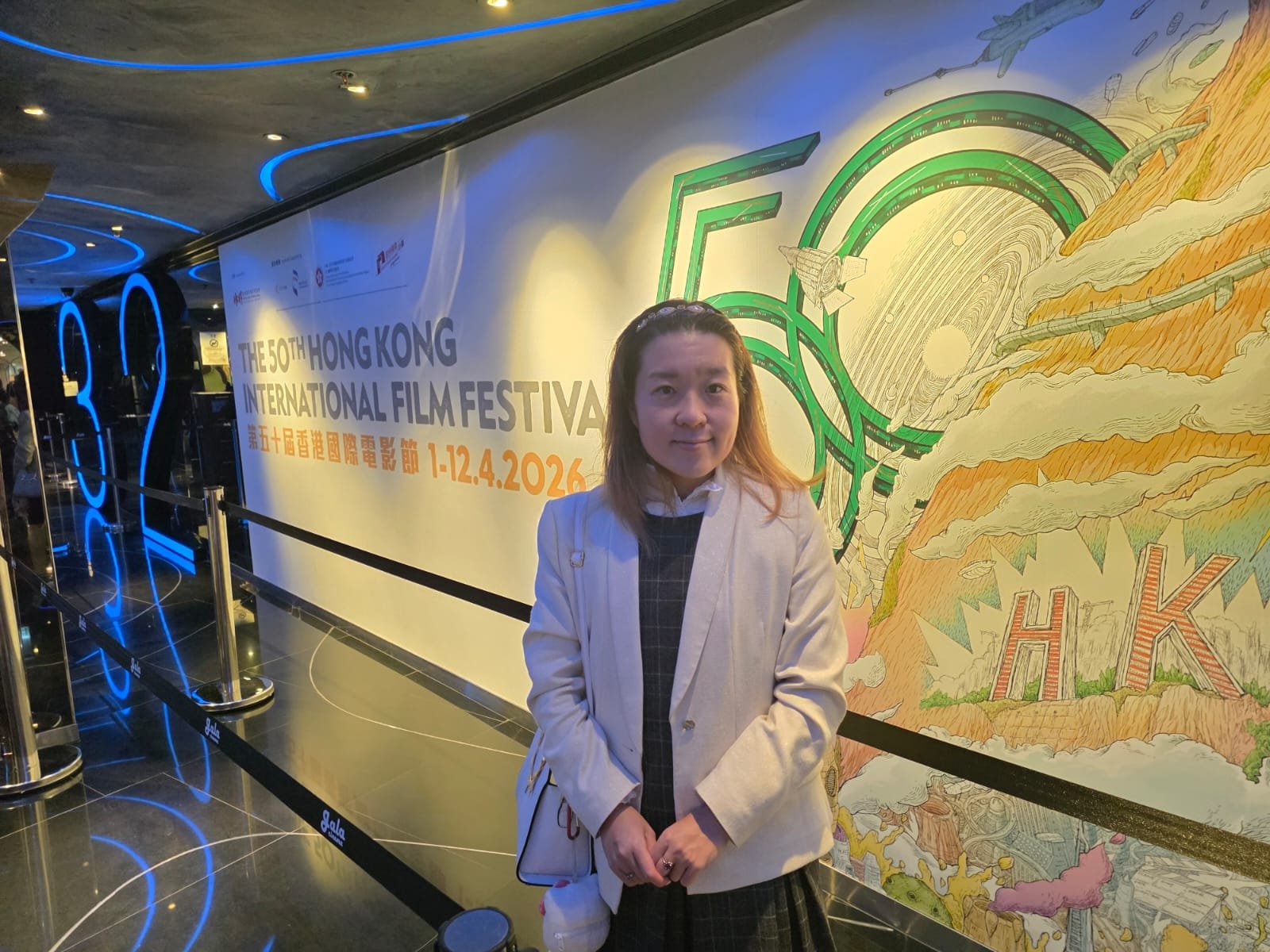
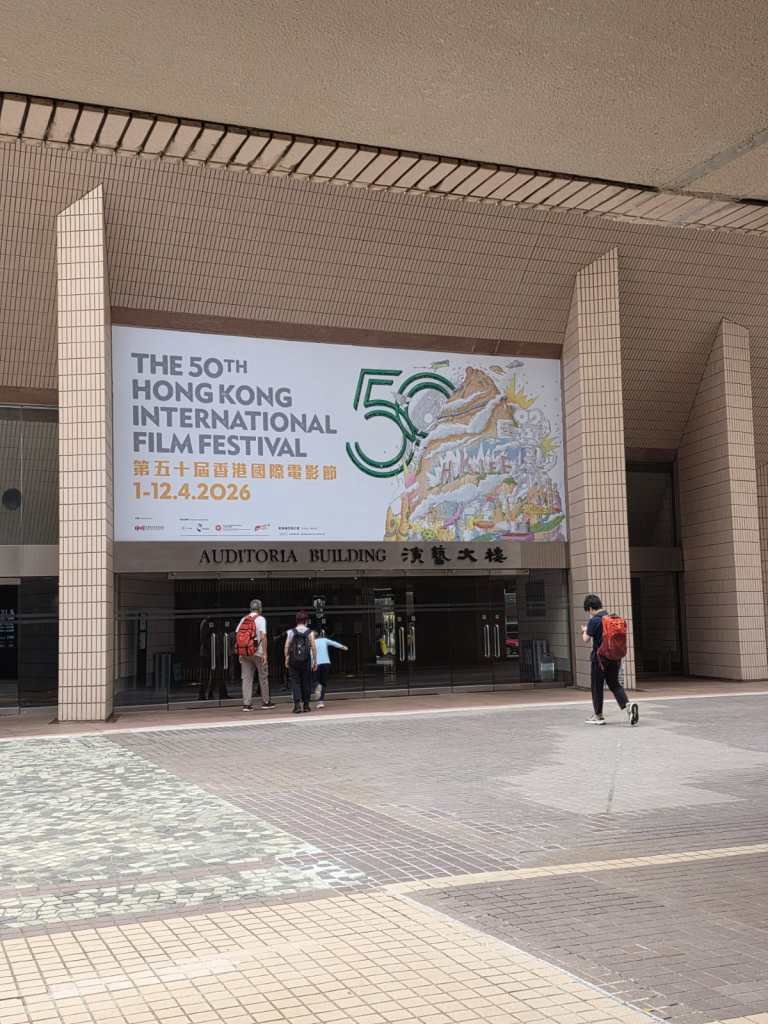
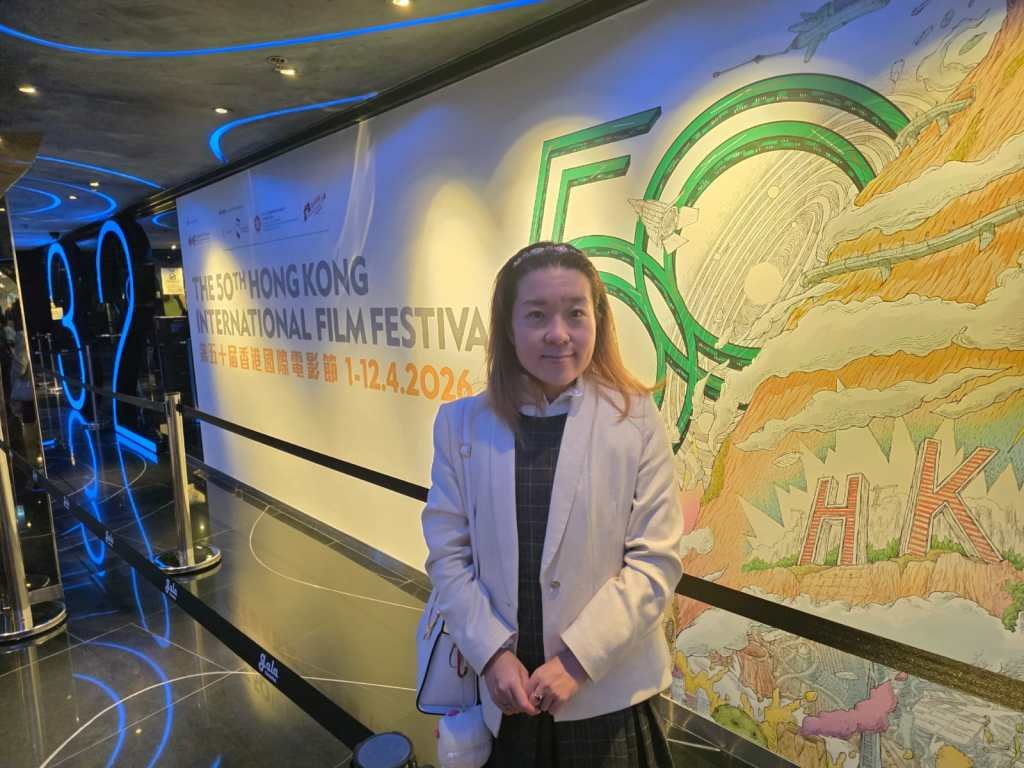 The air is still, yet the spirit remains restless. Welcome to Friday’s Lifestyle transmission.It is Friday, the 17th of April 2026. Having just emerged from the 12-day marathon of the 50th anniversary of the Hong Kong International Film Festival, I find myself in a state of both exhaustion and profound clarity. The festival, which ran from Wednesday, the 1st through to Sunday, the 12th of April, was a grand tapestry of cinematic achievement. While I was unable to attend the inaugural screening and the special In the Mood for Love in Concert by the HK Phil—an event that reportedly transformed Wong Kar-wai’s masterpiece into a live orchestral dialogue—I found my own pockets of inspiration elsewhere.
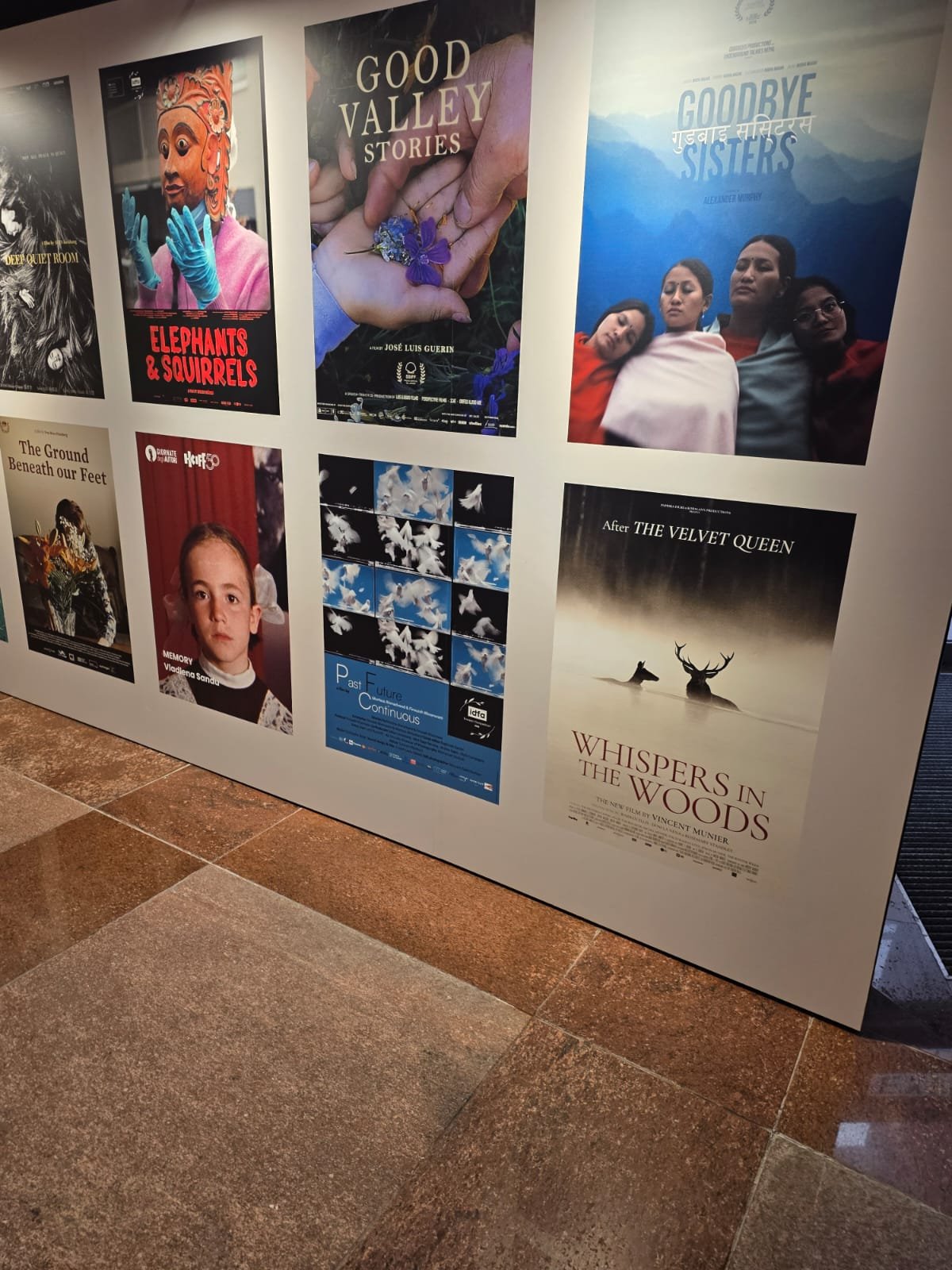
I spent a contemplative afternoon at the book sale within the
in Tsim Sha Tsui. Perusing the gallery of movie posters was a study in the “
Ethics of the Image
” I discussed previously. I left with three additions to my library: a volume on the versatile
Louis Koo
, another on the gritty realism of
Fruit Chan
, and a final one dedicated to the timeless grace of
Brigitte Lin
. These are not mere coffee table books; they are blueprints for the kind of star power and directorial vision I aim to cultivate.
The Archive of the Empire
On a subsequent day, I attended a public tour of the festival’s 50-year history held at Hong Kong City Hall. Although photography was prohibited, the 30-minute journey through the archives was a revelation. It was there I first learned that Chen Kaige made his directorial debut with
at the HKIFF in 1985. However, viewing the film later provided a sharp lesson in the scholar’s detachment. While technically accomplished, the film’s propagandistic undertones were impossible to ignore—a reminder that cinema is a powerful tool for ideology, for better or worse.
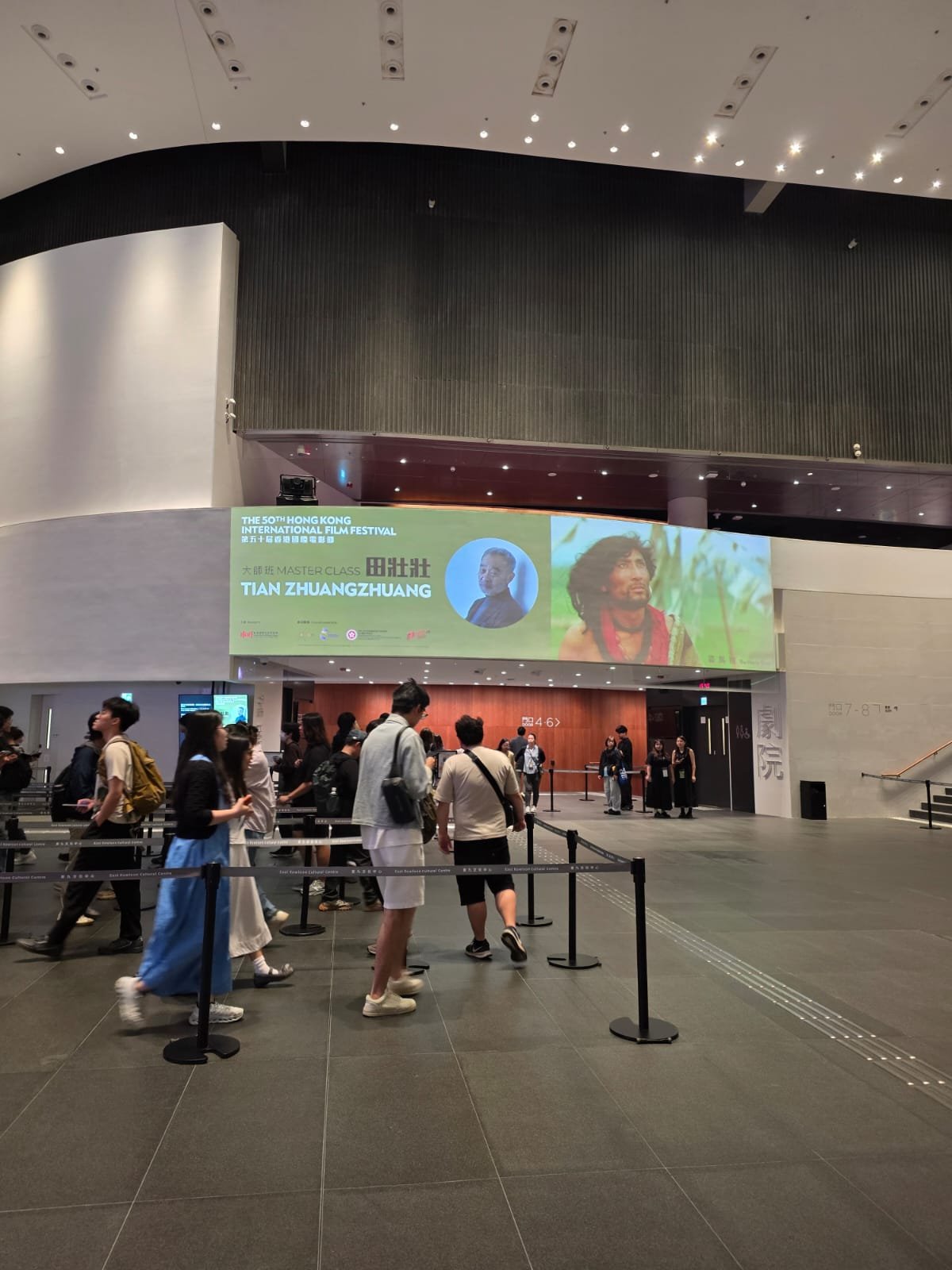
Of the films I screened—including Chen’s debut and Tian Zhuangzhuang’s
, Pen-ek Ratanaruang’s
, and Edwin’s
—my favorites were the latter three.
The Cinematic Favorites

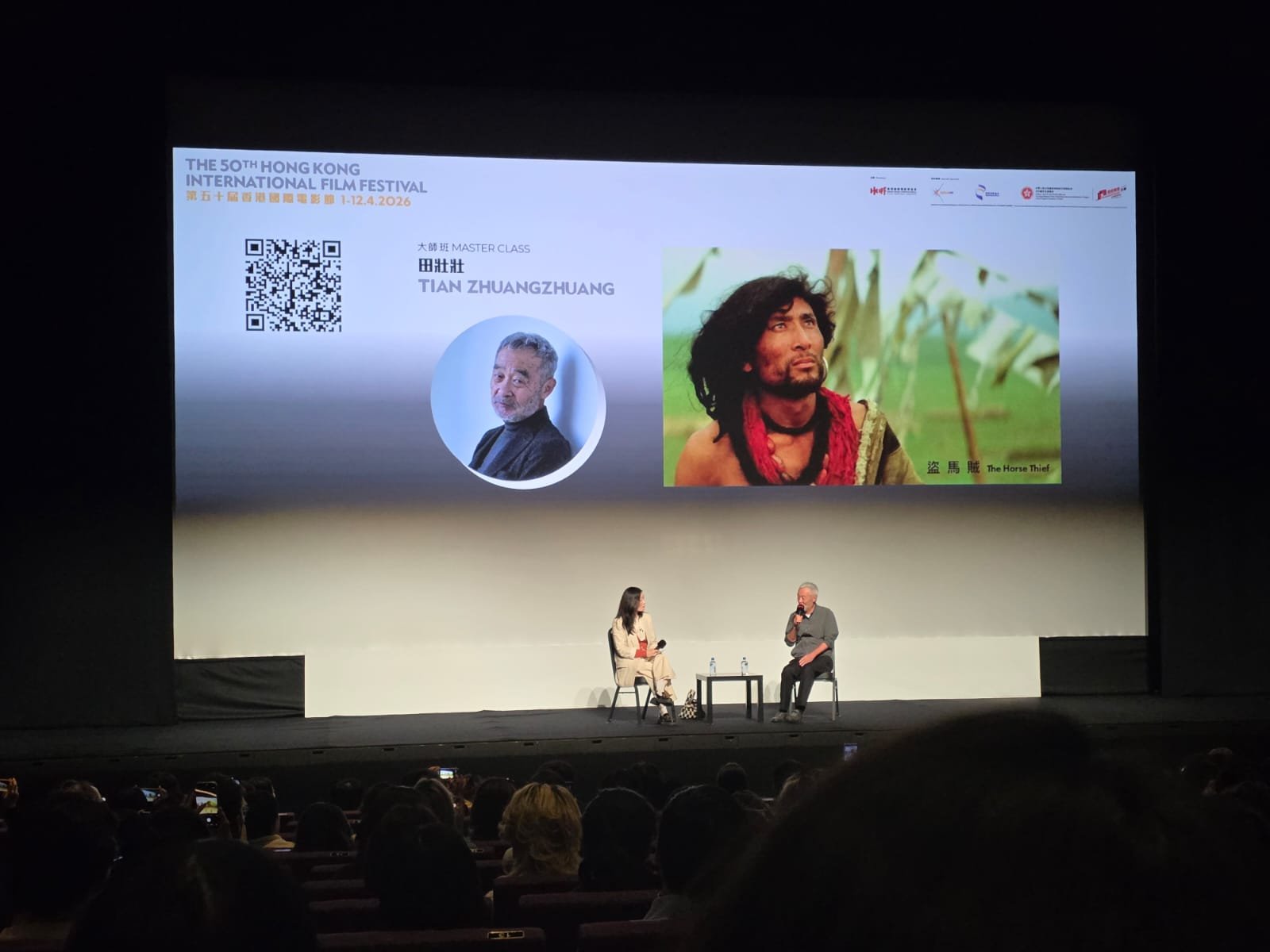
(1986): Despite being released 40 years ago, this work has held up with a surprising, rugged elegance. Director Tian’s choice to eschew a traditional soundtrack in favor of natural sounds and Buddhist chants is a masterclass in the “Quiet Majesty” I strive for. It is a pure, visceral exploration of Tibetan life that feels more like a transmission than a movie.

(Monster Pabrik Rambut): My first foray into Indonesian horror-comedy was a tactical success. The production value was immense, and the lead actress, Lutesha, possessed a focused intensity that strongly reminded me of Alicia Vikander. It has piqued my curiosity regarding the Indonesian market’s ability to blend fear with biting social commentary.

: I was grateful to have eaten prior to this screening. The food styling and cinematography captured Thai cuisine with a mouthwatering precision that bordered on the sacred. The film provided a fascinating cultural insight: the Thai concept of the five elements includes Wind, where the Chinese system utilizes Metal. In Traditional Chinese Medicine, we operate through Fire, Water, Wood, Metal, and Earth—a cycle of generation and overcoming that differs subtly from our neighbors’ elemental logic.
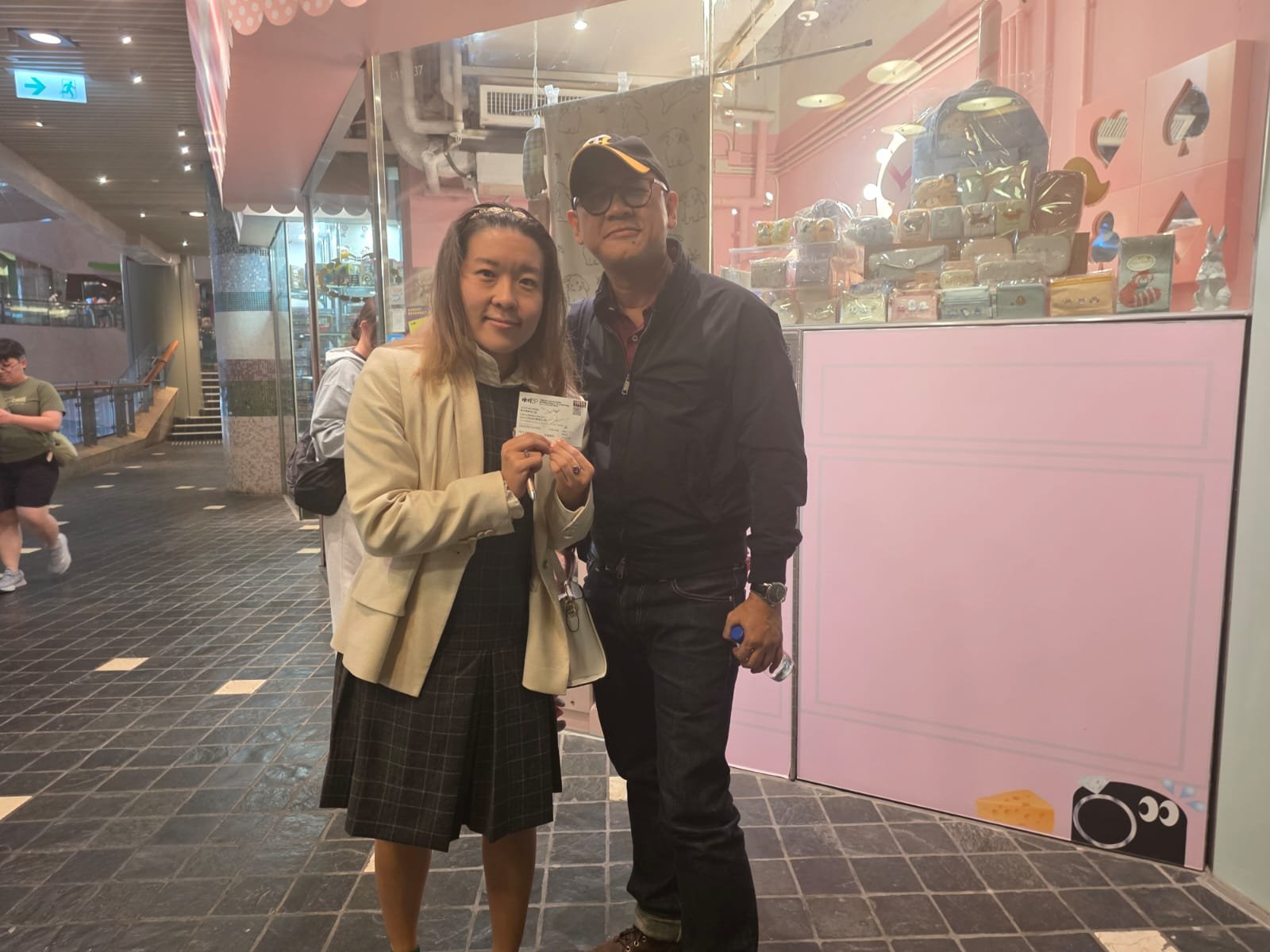
 The Producer’s MasterclassWhat have I learned from this 50th-anniversary experience for my own career? Firstly, a film festival is an exhausting multi-day trial of stamina. Secondly, I observed a peculiar phenomenon: it is almost always the Director who appears at the “Masterclass” or “Meet the Filmmaker” sessions.As a future producer, this puzzles me. A producer’s mandate extends far beyond financing and distribution; we are the guardians of the Return on Investment (ROI). Our primary concern post-release is the project’s marketing and sales performance. The producer should be the one defining the promotional tour locations and release dates to maximize that ROI. To see the producer absent from these critical audience engagements feels like a dereliction of the strategic duty to the brand.I am training to be the producer who stands beside the director—one who understands that the “Zephyr” of a film’s success is fanned by both artistic vision and rigorous market management.The fire within me burns steady, tempered by the long nights of the festival.Until the wind shifts again.— Zephyr Chan