The Gilded Equinox: Lunar New Year Among Hong Kong’s Elite -Part 2: The First Solstice and the Architecture of Lai See
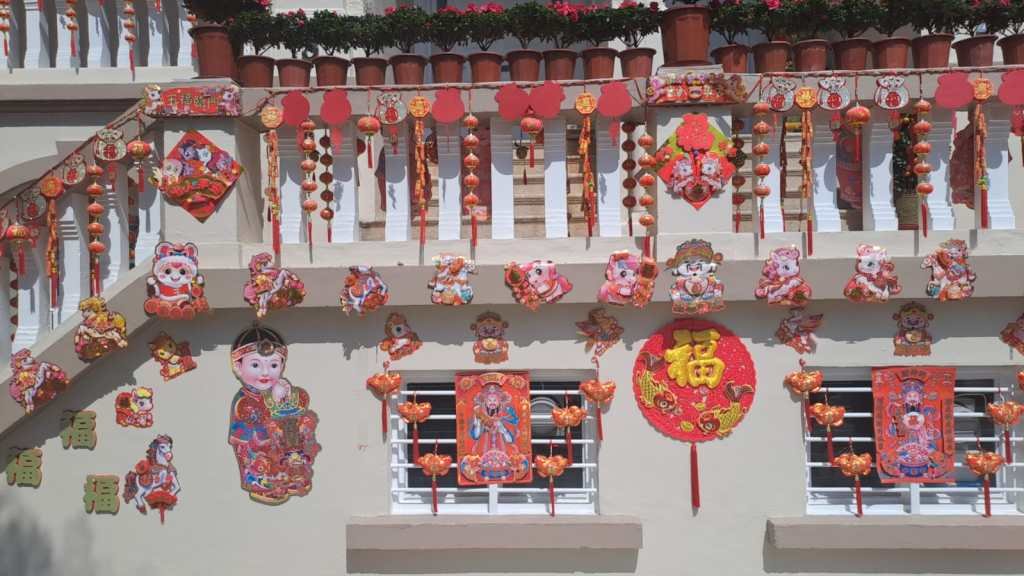
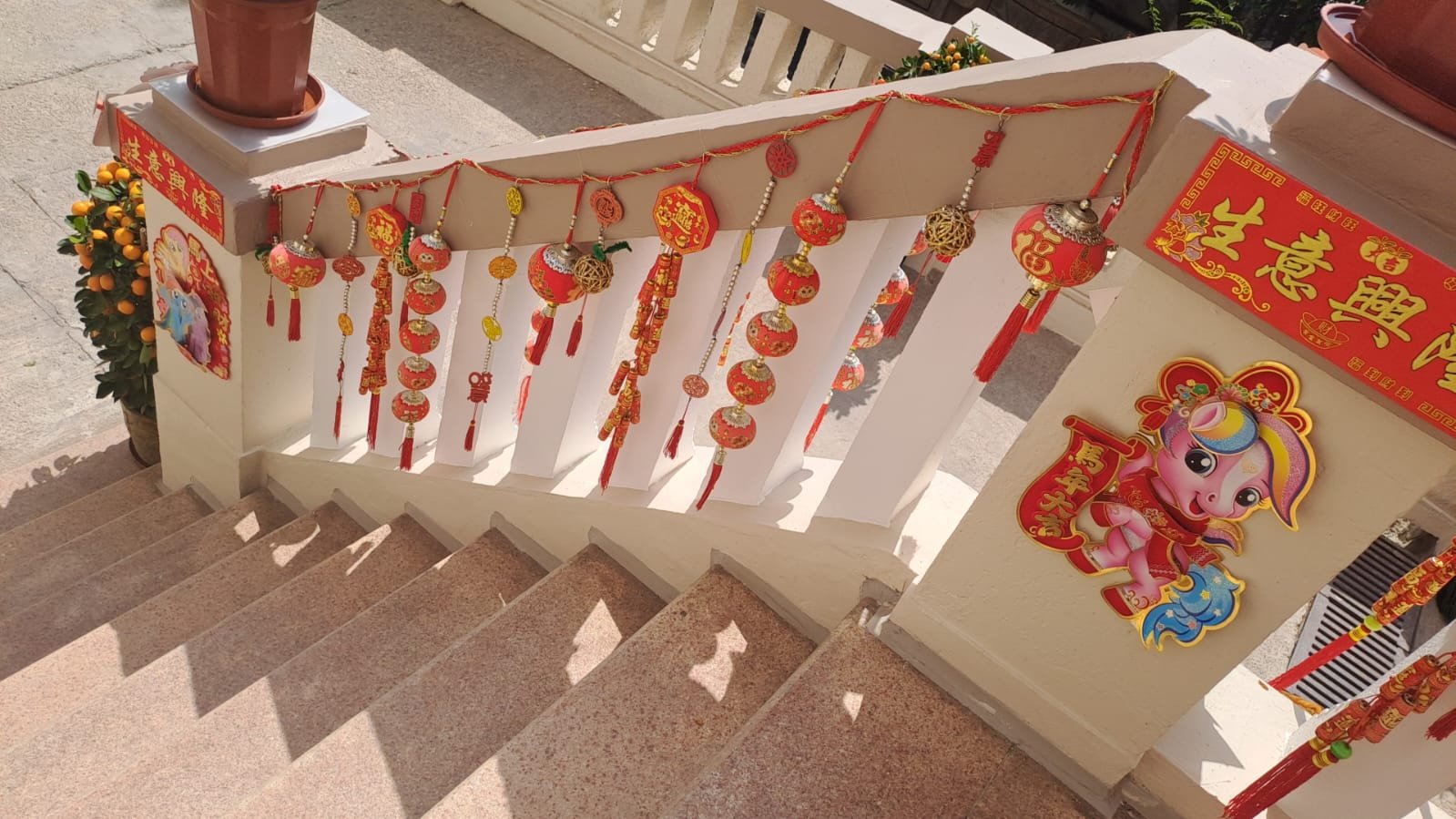
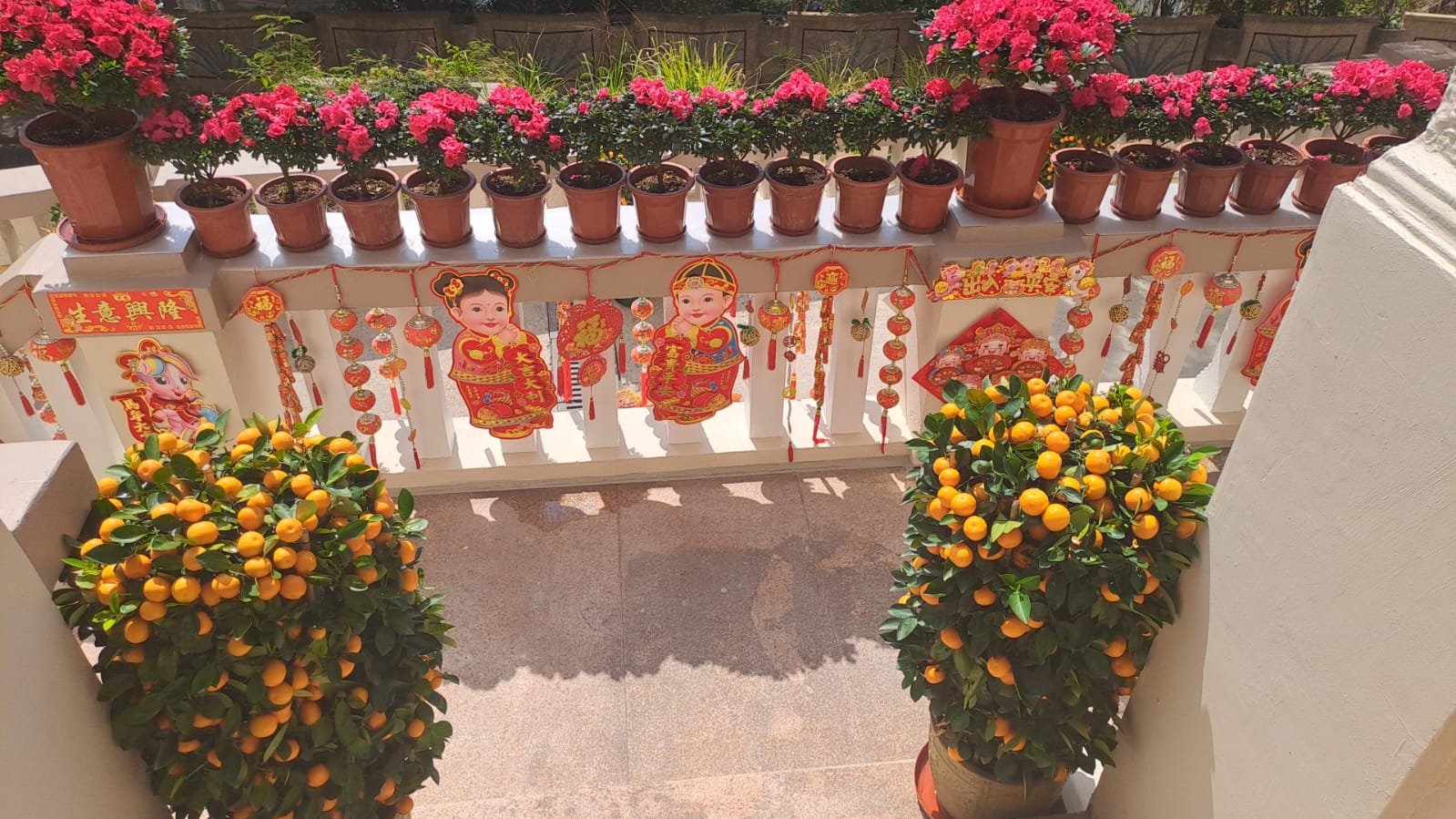
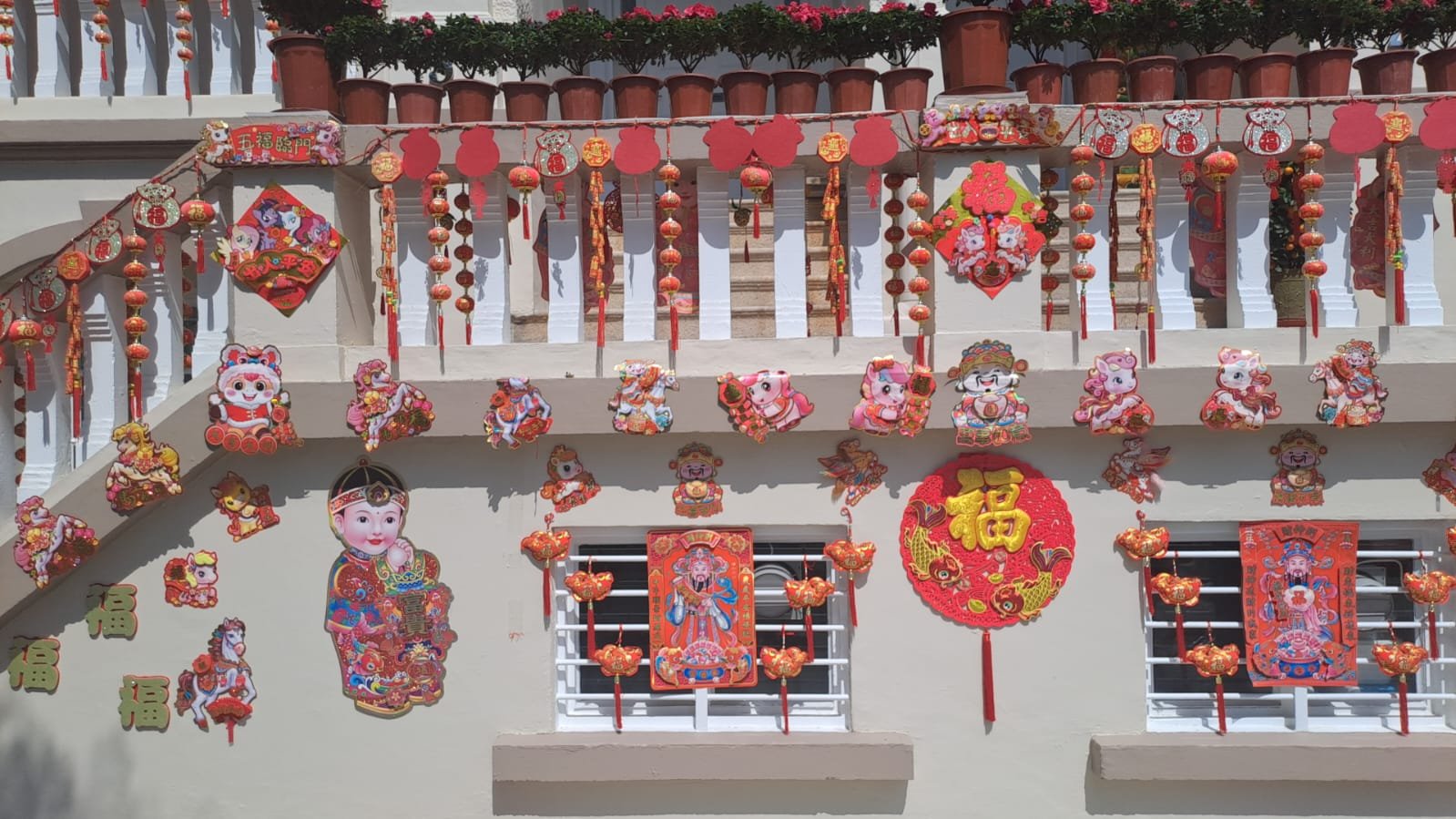
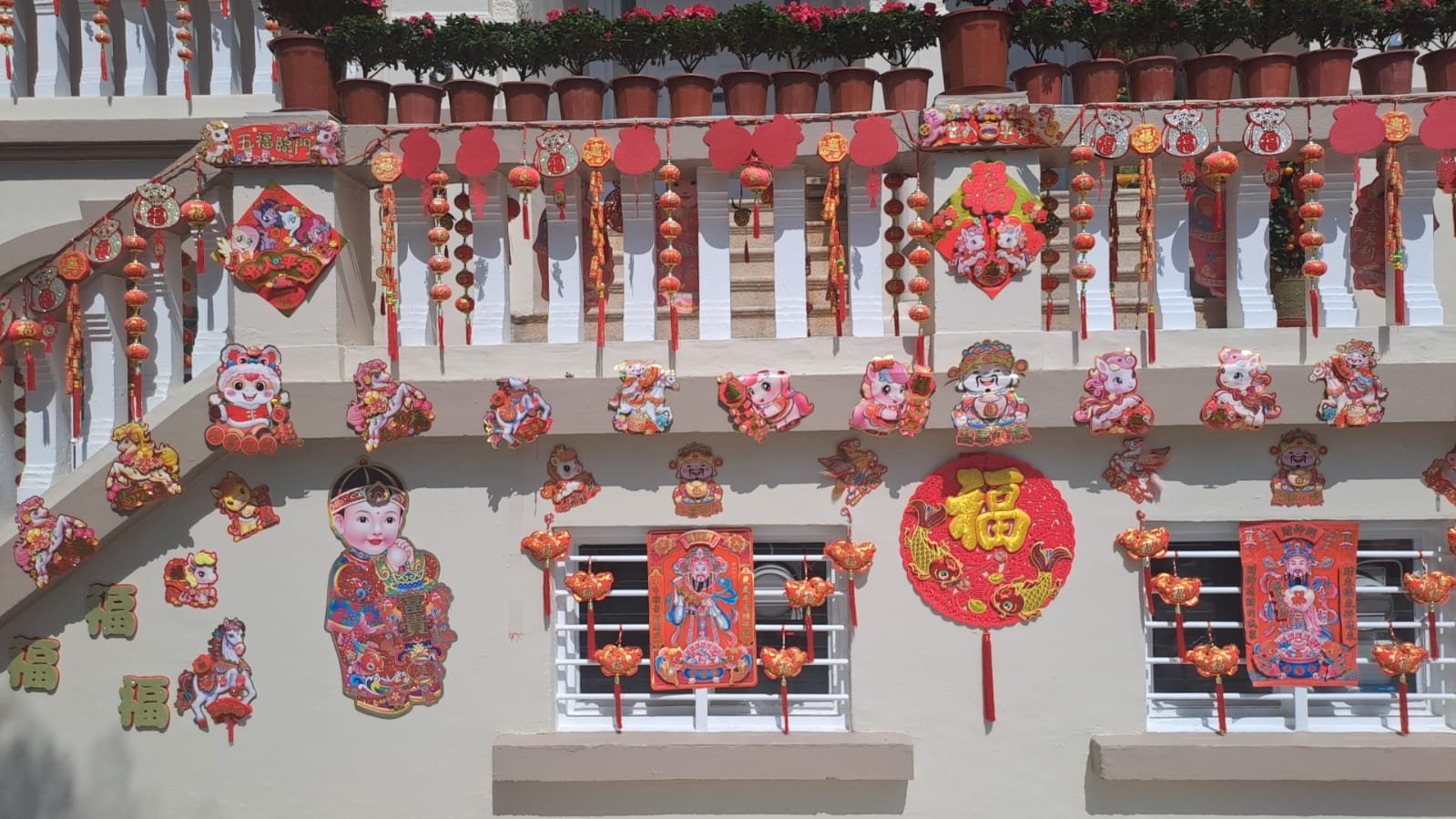
Today is Tuesday, the 17th of February, designated as Chor Yat—the first day of the Lunar New Year. If the previous night was defined by the frenetic expulsion of the old, today is characterized by a hermetic stillness. The metal gates of the city’s major financial institutions are drawn shut, and the streets of Central are uncharacteristically barren. However, in the private driveways of the Peak and the Southern District, the choreography of Bai Nin (Paying a Visit) has begun.
The day begins not with excess, but with restriction. The first meal of the year is strictly Jai (Vegetarian). This is a karmic cleansing, a ritual of non-violence to ensure peace for the coming months. We consume a stew of Fat Choy (Black Moss) and dried bean curd, ingredients chosen for their homophonic auspiciousness.
For a screenwriter looking to establish the tone of an “Old Money” household, the breakfast scene on Chor Yat offers a masterclass in tension without dialogue. The visual cue is the absence of knives. Using a knife on the first day is believed to “sever” the family’s luck. Therefore, a director should focus on the soft sounds of chopsticks against porcelain and the tearing of food by hand, creating an atmosphere that is gentle yet governed by rigid, unspoken superstitions.
Once the fasting meal concludes, the residence transforms into a reception hall. Relatives from both my mother’s and father’s lineages arrive in waves. This is Bai Nin. In the West, holiday gatherings are often depicted as chaotic and loud. Here, among the upper crust, they are exercises in diplomatic precision. The seating arrangements in the living room mirror the family hierarchy. The elders occupy the rosewood armchairs, while the younger generations stand or sit on the periphery.
As a currently single woman, my role in this ecosystem is specific and, to the uninitiated, perhaps paradoxical. Despite my professional standing or age, my unmarried status categorizes me as a “junior” in the ritualistic sense. This dictates that I do not distribute Lai See (Red Envelopes). Instead, I am a collector.
This dynamic offers a rich vein for character development in narrative fiction. There is a specific posture required when receiving Lai See. It involves a slight bow, the cupping of hands (right over left), and the delivery of a tailored well-wish. One does not simply say “Happy New Year.” One must assess the giver. To an uncle in real estate, I wish “fluid assets and high ground.” To an aunt concerned with health, I wish “vigor and spirit.”
The dramatic tension lies in the exchange between a commercially powerful single woman and a younger, married cousin. The cousin, by virtue of marriage, must give the Lai See to the older, single woman. A nuanced performance would capture the micro-expressions during this transaction—the younger cousin’s deferential offering of the red packet, and the older woman’s gracious, yet slightly tight-lipped acceptance. It is a moment where traditional hierarchy overrides modern achievement, a theme that resonates deeply in stories about dynastic families.
The Lai See itself is a prop of great significance. It is never opened in front of the giver—that would be a crass violation of etiquette. The thickness of the envelope is gauged by touch alone. A savvy director would focus on the tactile details: the texture of the gold-embossed paper, the weight of the crisp banknotes inside, and the way these envelopes are discreetly slipped into a designer handbag, accumulating like silent dividends throughout the afternoon.
As the day progresses, the conversation during Bai Nin serves as a high-stakes fencing match disguised as small talk. Questions about my single status are deflected with practiced ease, turned back onto the questioner with inquiries about their children’s academic placements or their recent property acquisitions.
The wardrobe for Chor Yat is equally critical for visual storytelling. We do not wear black or white, colors associated with mourning. The palette is strictly red, gold, or bright pastels. A character walking into this environment wearing a monochrome minimalistic suit would immediately signal rebellion or alienation. The “New Year Outfit” is armor; it signals vitality and compliance with the collective joy, regardless of one’s internal state.
By late afternoon, the stream of visitors slows. The tea leaves are spent, and the lacquer box of “Togetherness” candy is depleted. We have navigated the minefield of the first day without breaking a bowl, using a knife, or speaking an unlucky word. The luck of the Ma Nin (Year of the Horse) has been successfully incubated within the home.
As the sun sets on Chor Yat, the strict vegetarianism ends. Tomorrow, we move to Chor Yi (Day 2), known as the Kai Nin (Opening of the Year). This is when the cycle of commerce begins to stir, when the married daughters traditionally return to their natal homes (a redundancy for those of us who remain), and when the “Ritual of the First Feast” brings meat back to the table. Join me tomorrow as we discuss the dog deity, the specific etiquette of the second day, and how the elite prepare to re-engage with the machinery of the city.