The Gilded Equinox: Lunar New Year Among Hong Kong’s Elite
-Part 6: The Kinetic Architecture of Wealth and Lineage
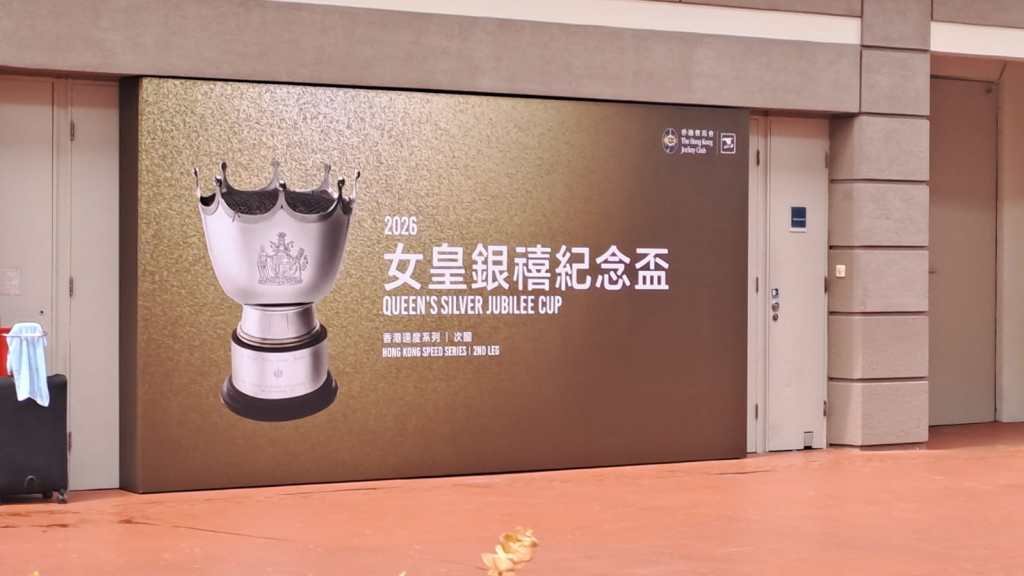
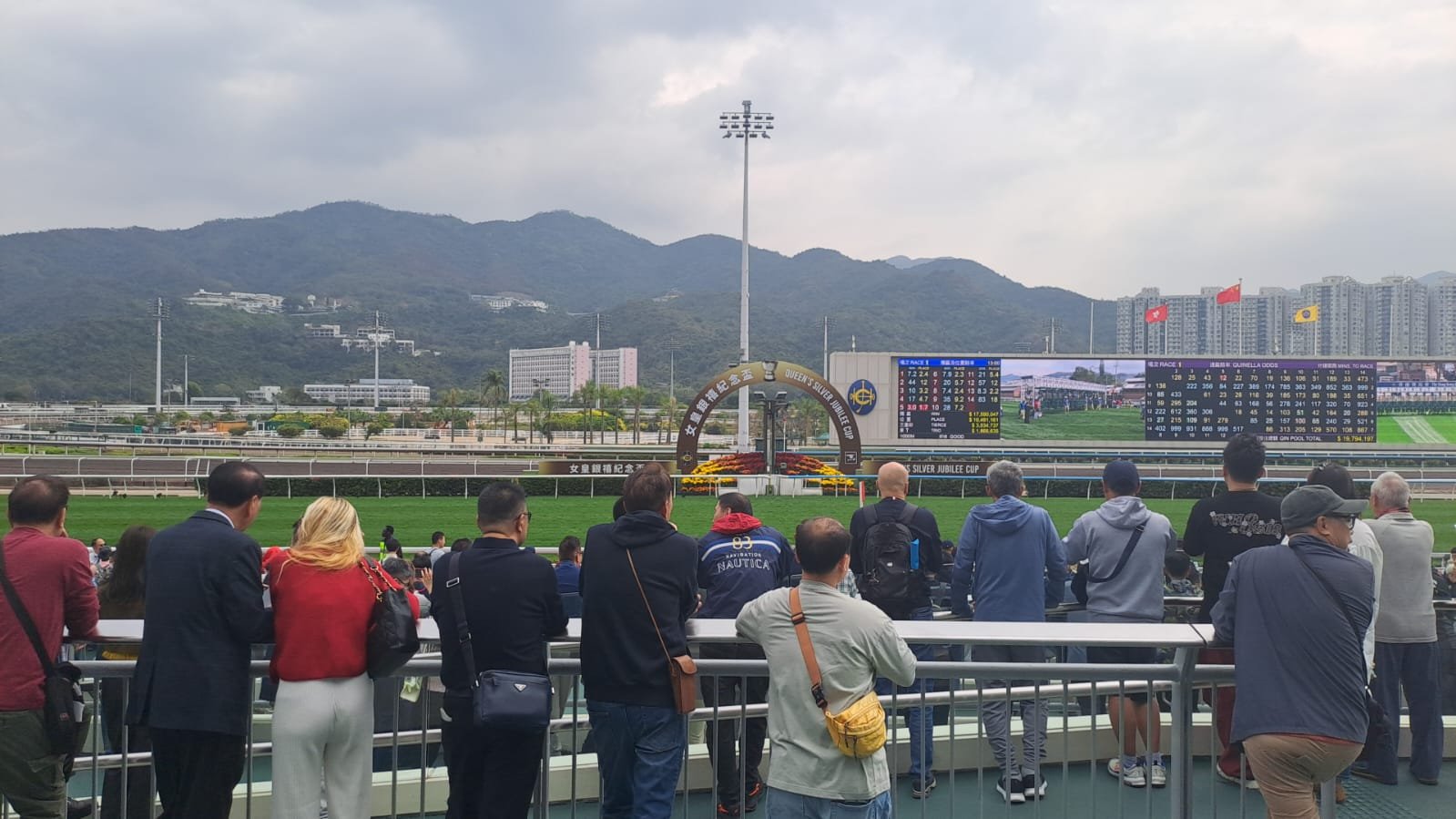
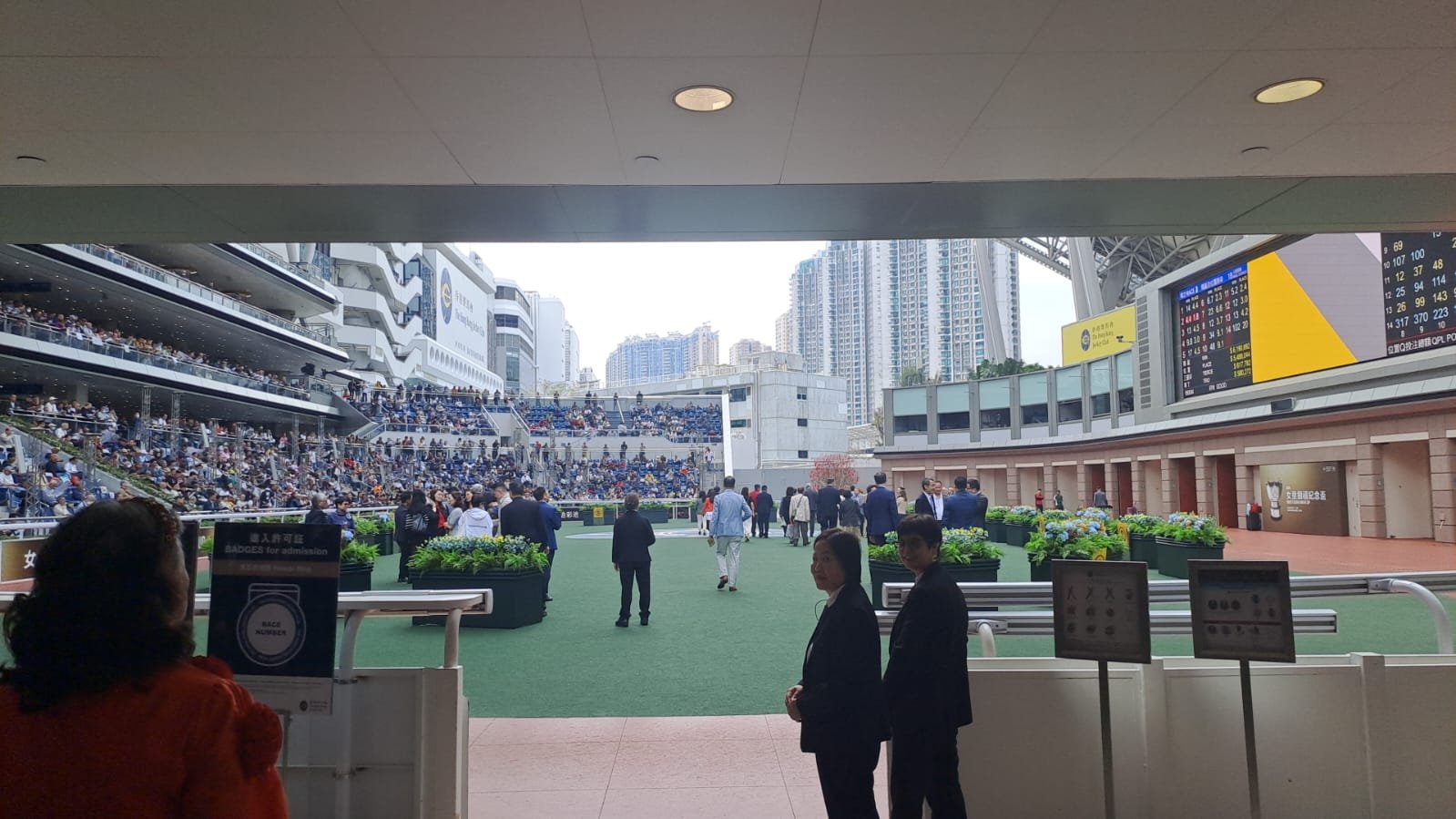
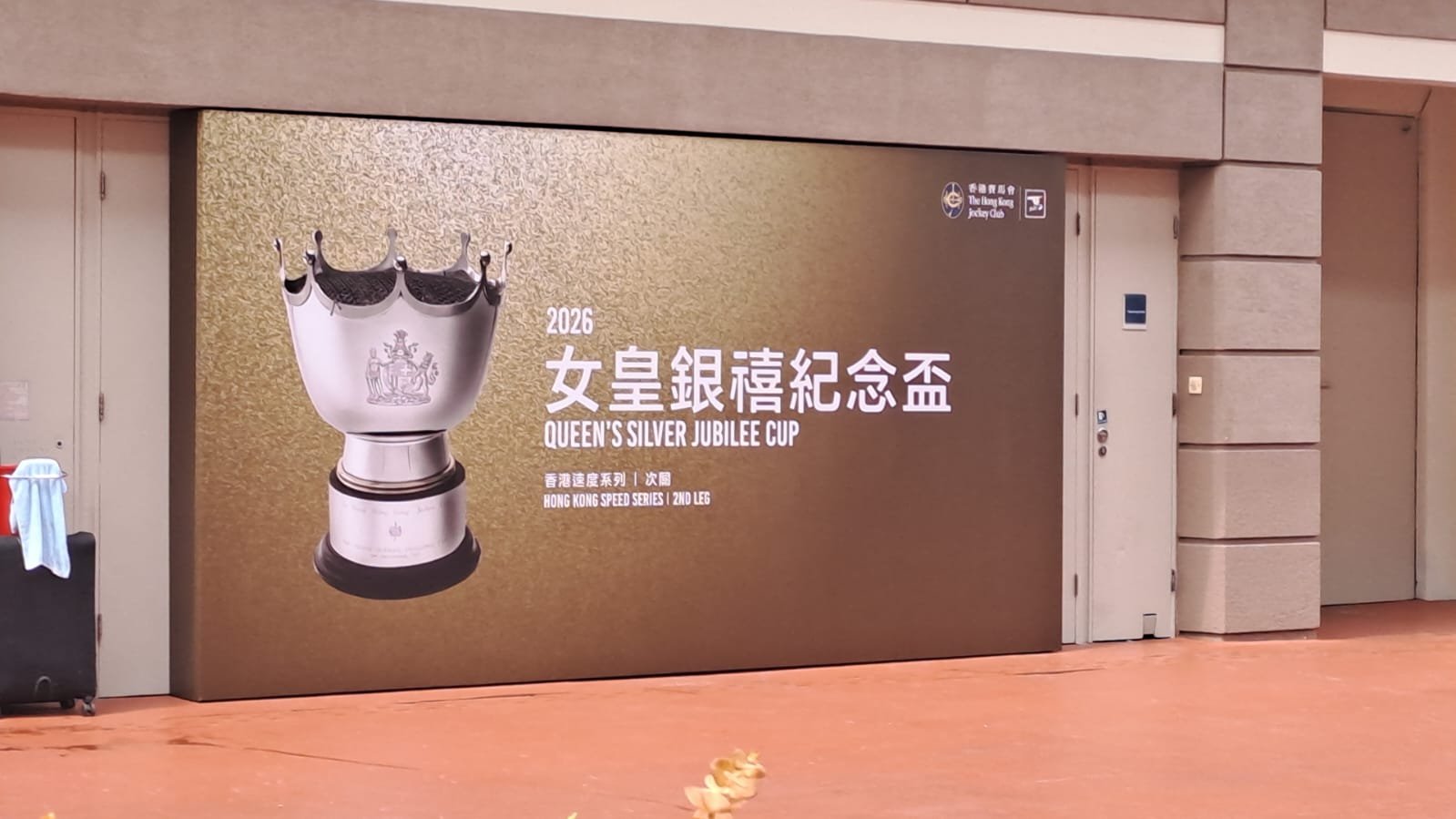
The temporal progression of the Lunar New Year brings us to Sunday, the 22nd of February, 2026. If the preceding rituals were characterized by the spiritual acquisition of fortune, this day is defined by its performative enjoyment and the reinforcement of matriarchal lineage. We find ourselves at the convergence of two significant events: the Queen’s Silver Jubilee Cup at the Hong Kong Jockey Club and the natal anniversary of my mother. In the sociology of the Hong Kong elite, the presence of the family unit at the racecourse is not merely a recreational excursion; it is a public demonstration of continuity, vitality, and the intergenerational transfer of status.
We arrive at the Sha Tin Racecourse around midday, accompanied by my father and mother, moving directly into the rarefied air of the Members’ Enclosure. The Queen’s Silver Jubilee Cup is a Group 1 race, representing the pinnacle of the sport, and the atmosphere is charged with a specific frequency of anticipation that exists only where vast capital intersects with chance. The phrase Ma Zhao Pao—”horses will still run”—remains the defining aphorism of Hong Kong’s stability, suggesting that regardless of political shifts, the capitalist engine continues to turn. Here, watching the thoroughbreds thunder down the turf, one observes the kinetic manifestation of wealth. It is raw power, refined by breeding and discipline, a mirror to the families observing from the boxes.
For the aspiring cinematographer or director, the Jockey Club offers a visual lexicon distinct from Western depictions of gambling. Where Hollywood often frames the racetrack through the lens of desperation—the sweaty punter clutching a losing ticket—a more sophisticated narrative would focus on the architecture of silence within the private boxes. A director like Michael Mann could exploit the juxtaposition between the visceral, thundering audio of the hooves on the track and the hermetically sealed, hushed environment of the elite glass enclosure. The drama here is not in the shouting, but in the micro-expressions of the patriarchs and the quiet nods of the matriarchs as fortunes shift in seconds. It is a study in composure under pressure, a visual metaphor for the market itself.
Following the spectacle of the races, the narrative arc shifts from the public arena to the intimate sphere. We transition to the Island Shangri-La for an evening celebration at Petrus. This venue choice is deliberate; Petrus represents the apex of classic French gastronomy in the city, a bastion of old-world luxury that resonates with the generation of my parents. Seated beneath the chandeliers with a panoramic view of Victoria Harbour, we celebrate my mother’s birthday. In the Confucian context, the birthday of a parent is a significant event requiring the physical presence of the offspring to demonstrate xiao (filial piety). The meal becomes a ritualistic performance of gratitude, where the consumption of rare vintages and haute cuisine serves as a tangible offering to the matriarch who anchors the family structure.
From a filmic perspective, this dinner scene requires a shift in lighting and tone, perhaps drawing inspiration from the visual language of Visconti or the detailed tableaus of The Age of Innocence. The lighting at Petrus is warm, amber, and forgiving, designed to enhance the luster of jewelry and the depth of wine. A screenwriter examining this setting should note that the dialogue in such a scene acts as a velvet glove over an iron fist; family politics, business succession, and social maneuvering are discussed with the same politeness applied to passing the salt. The tension lies in what is left unsaid, the subtext of duty and expectation that lingers between the courses.
As the evening concludes, we have satisfied both the public demand for visibility at the Cup and the private demand for familial deference. The balance has been maintained.
Join me for Part 7: Renri (Day 7). Known as “The People’s Birthday,” this day marks the celebration of universal humanity. We will pivot from the specific lineage of the family to the broader concept of life itself. We shall examine the celebration of life in high society through the lens of biopolitics—how the elite manage health, longevity, and the biological capital of their class.