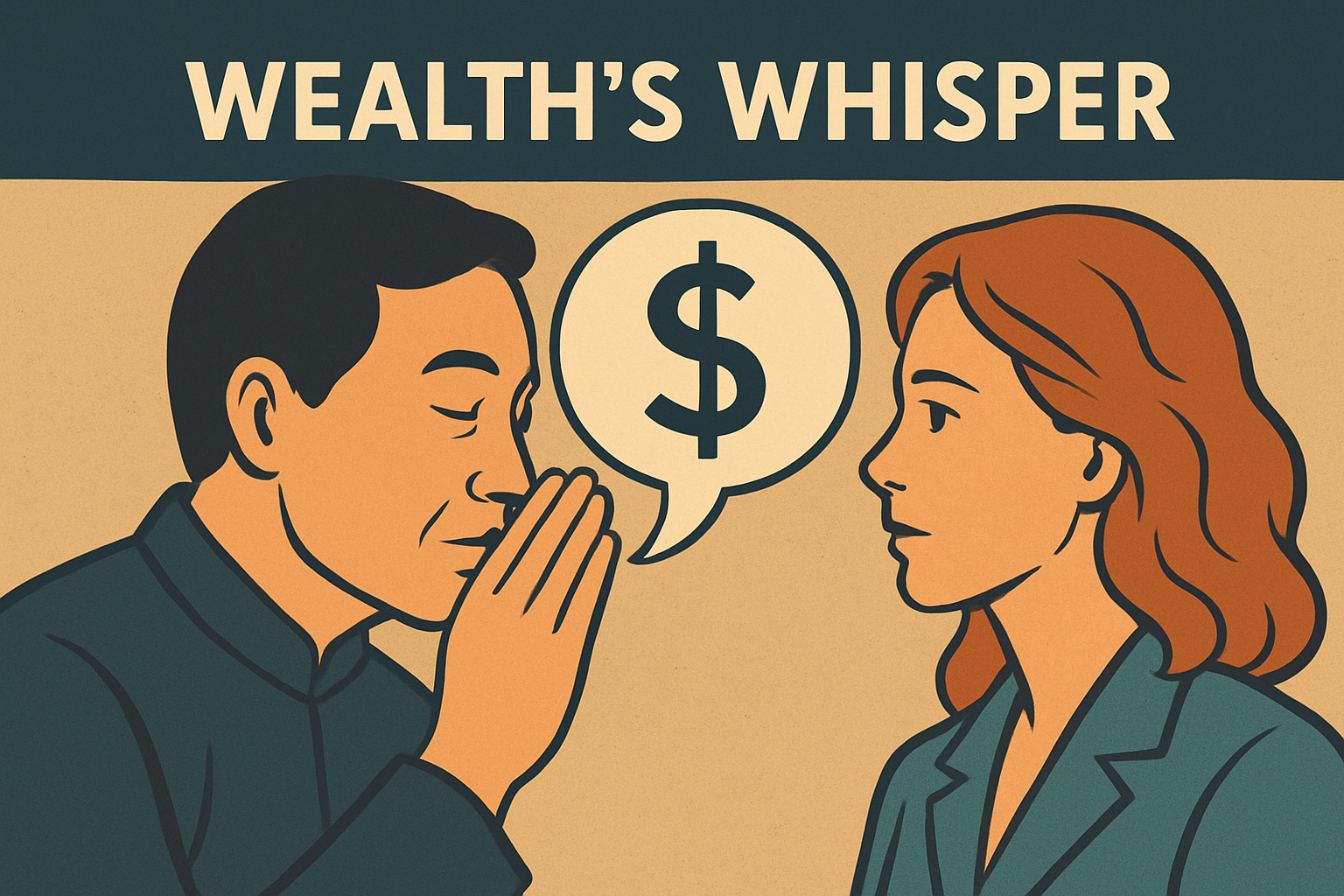
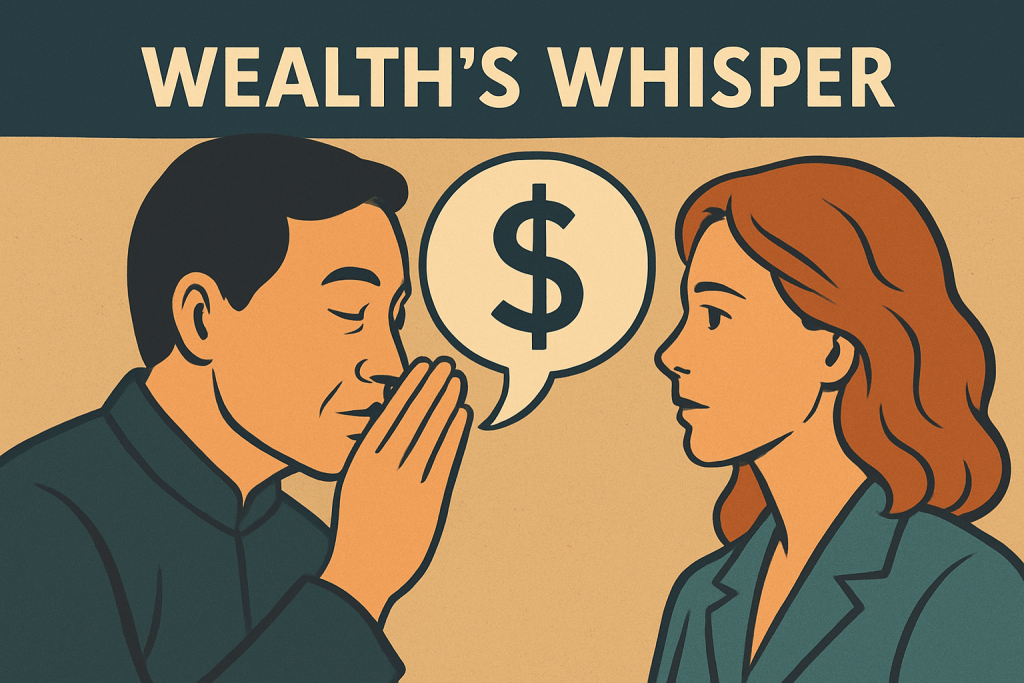
Wealth’s Whisper
Wealth. It’s a word that conjures images of glittering skyscrapers, private jets, and endless vacations on sun-kissed beaches. But for me, it’s far more nuanced—a siren song that lures some into darkness while serving others as a simple instrument. I’ve spent years reflecting on what wealth truly means, especially in a world where its pursuit drives people to extremes. As someone who grew up in comfort, I see it not as an end goal but as a tool, one I’m learning to wield with purpose. Yet, I can’t ignore the shadows it casts: the unspeakable acts committed in its name, born from generations of deprivation. This is my take on wealth, drawn from observation, empathy, and my own journey toward financial independence through this very blog, Echoes of Empire.
Let’s start with the harsh reality. I understand—deeply—why so many are willing to do unimaginable things for money. Imagine a family trapped in poverty for generations: grandparents toiling in factories for pennies, parents scraping by on minimum wage, children inheriting the same cycle of debt and despair. In that world, wealth isn’t a luxury; it’s salvation. It’s the difference between eviction notices and a stable home, between hunger pangs and a full pantry. When survival hangs by a thread, morality can blur. You’d sell your soul for a shot at riches that insulate you from life’s cruelties. Money becomes a shield, allowing poor decisions—like risky investments or ethical shortcuts—without immediate repercussions. I’ve read stories of people turning to crime, corruption, or exploitation not out of greed, but desperation. A drug dealer in the inner city might rationalize it as providing for his family; a corporate executive might fudge numbers to climb the ladder. These aren’t excuses, but explanations. Poverty grinds down hope, and wealth promises escape. It’s why lottery tickets sell like hotcakes in low-income neighborhoods— a slim chance at freedom is better than none.
Contrast that with my own upbringing. I didn’t grow up in opulence, but comfort was a given. Meals were never uncertain, education was prioritized, and vacations were annual rituals. It reminds me of that scene in Crazy Rich Asians, where Nick Young diplomatically tells his girlfriend Rachel about his family’s wealth: “We’re comfortable.” It’s an understatement that captures the essence of privilege without flaunting it. For folks like me, wealth isn’t a desperate grasp; it’s background noise. We don’t chase it with claws out because we’ve never felt its absence acutely. This perspective shapes how I view money today: as nothing more or less than a tool. Like a hammer, it can build or destroy, depending on the hand that holds it.
Growing up, I watched my parents use wealth responsibly. It funded my college without loans, allowed us to travel and broaden horizons, and supported causes we believed in. But it wasn’t worshipped. I learned it indirectly from someone who showed it through his actions: “Money solves money problems, not life problems.” That stuck with me. As I entered adulthood, I realized wealth’s power lies in intentionality. It’s not about hoarding; it’s about leveraging it for good. For instance, I’ve started investing in sustainable funds—not just for returns, but to align with my values on climate change. Wealth lets me donate to charities fighting poverty, the very cycle I empathize with. It’s a tool for security, yes, but also for impact. Without responsibility, though, it corrupts. We’ve all seen headlines of billionaires evading taxes or exploiting workers, their fortunes cushioning them from accountability. That’s the dark side I aim to avoid.
This brings me to my current path: building my own wealth through Echoes of Empire. This blog isn’t just a hobby; it’s my vehicle to financial independence. I’m launching it now, as I don’t want to be beholden to anyone financially, focusing on history, culture, and personal growth—echoes of past empires informing our future. It’s empowering: no boss dictating my hours, no fear of layoffs. Wealth here means freedom—to spend each penny as I see fit, without guilt, so long as it’s spent intentionally, responsibly, and with full accountability. I’m learning the ropes: SEO optimization, audience engagement, even basic accounting. Mistakes? Plenty, like working with an ad hoc budget. But with intentional use, wealth grows responsibly. It’s not about getting so rich I can ignore consequences; it’s about creating a buffer that lets me live authentically.
Of course, this journey isn’t without doubts. I question if pursuing wealth makes me part of the problem. Am I just another voice in the echo chamber of capitalism? But I remind myself: wealth as a tool can amplify positive change. Through Echoes of Empire, I share stories of historical figures who rose from rags to riches ethically, inspiring readers to do the same. I discuss generational poverty not to judge, but to foster understanding. If my blog helps even one person break their cycle, that’s wealth’s true value.
In the end, wealth means different things based on where you stand. For the generationally poor, it’s a lifeline worth any risk. For me, it’s a tool to craft a life of purpose. As I build Echoes of Empire, I’m committed to using it wisely—insulating not from consequences, but from constraints. If you’re reading this, reflect on your own relationship with money. Is it a master or a servant? For me, it’s the latter, and that’s the key to true richness.