The Gilded Equinox: Lunar New Year Among Hong Kong’s Elite -Part 3: The Opening of the Year and the Tabletop Oracle
Today is Wednesday, the 18th of February, known in the lunar calendar as Chor Yi, or more significantly, Hoi Nin (The Opening of the Year). If yesterday was defined by the hermetic seal of the “First Solstice” and the asceticism of the vegetarian fast, today represents the breaking of that seal. The metabolic rate of the city—and the household—accelerates. The prohibition on commerce and consumption lifts, and the spiritual machinery of the family requires active maintenance.
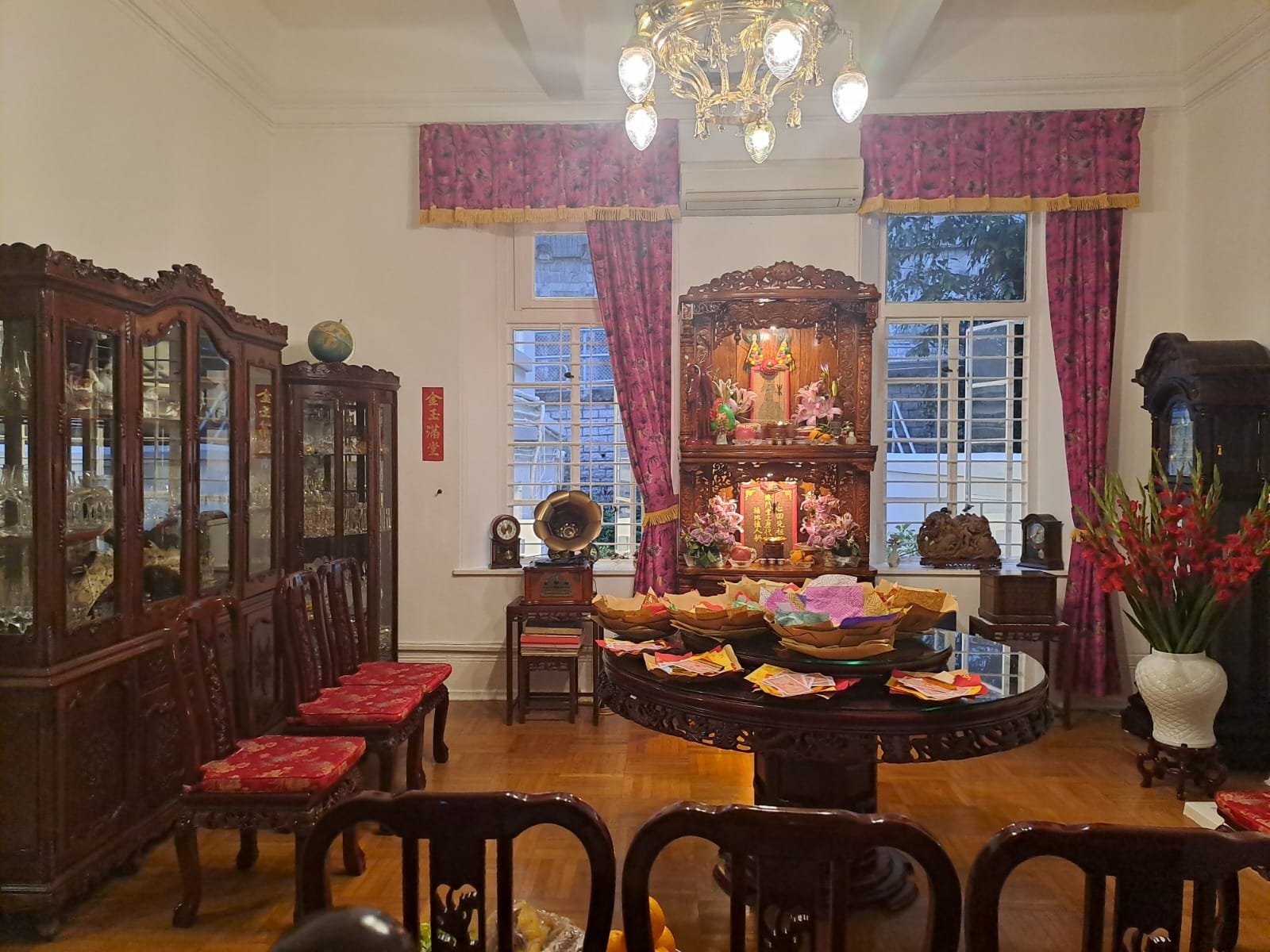
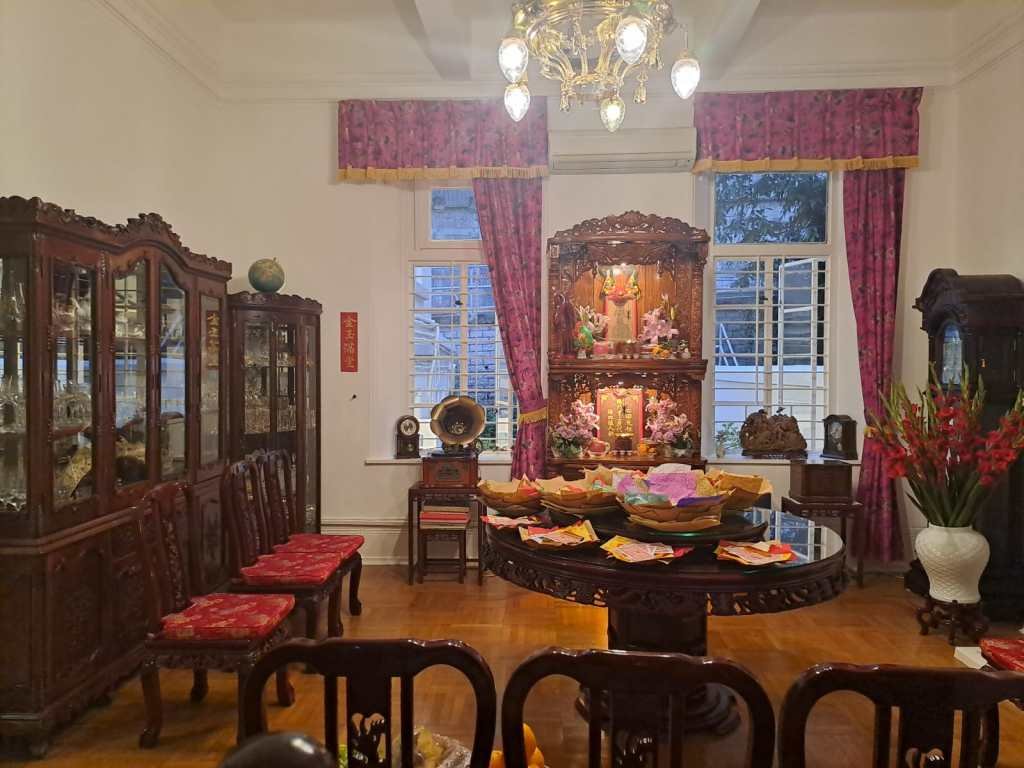
The day begins with absolute precision at 7:00 AM, an hour selected by the almanac as auspicious for our specific household. The silence of the dawn is pierced not by alarm clocks, but by the strike of a brass bowl. My parents and I gather at the family altar, a dedicated architectural niche that often surprises Western observers in its integration within a modern, high-tech apartment. We offer incense, first to the ancestors who anchor our lineage, and then to the patron deities who guard our prosperity.
For a cinematographer, the lighting of this scene is crucial. The harsh overhead lights are off; the room is illuminated solely by the glow of the red altar lamps and the burning tips of sandalwood incense. Following the prayers, we proceed to the burning of offerings—intricate paper replications of gold ingots and currency. In Hollywood, fire is often depicted as a force of destruction or chaos. However, a more nuanced directorial approach would frame this act as transactional. The controlled flame in the metal bin, set against the backdrop of a panoramic harbour view, visualizes the transfer of resources from the living realm to the spiritual one. It is a banking transaction, performed with fire.
The ritual then shifts to a moment of startling physicality, one that serves as the centerpiece of our morning. To perform the Kau Chim (seeking lots) for the new year, the setting changes from the peripheral altar to the central dining table. In a tradition specific to our family’s practice, the table is cleared of all floral arrangements. I am tasked with the divination. I climb onto the mahogany surface, kneeling in the center of the table.
This elevation is not merely practical; it is symbolic. By placing myself above the ordinary plane of eating and conversation, I am positioned closer to the spiritual “signal.” From a screenwriting perspective, this is a pivotal character moment. It requires the protagonist—a modern woman who perhaps spent the previous week navigating boardrooms—to physically ascend a piece of domestic furniture, assuming the posture of a supplicant. The camera should angle upwards from the floor, capturing the contrast between the couture clothing and the vulnerability of the kneeling position.
I shake the bamboo cylinder, the rhythmic “clack-clack” returning as the soundtrack of our fate. I cast lots not only for my immediate family but also for my paternal uncle’s household. This detail is vital for narrative world-building: the fortunes of the elite are rarely individual; they are dynastic. The burden of the oracle lies in interpreting whether the falling stick predicts a year of expansion or a year of defense for the entire clan.
Once the Chim is interpreted and the gods are appeased, the domestic atmosphere shifts immediately from the sacred to the social. The doors unlock for Hoi Nin. The Bai Nin visits resume, but unlike the quiet reverence of yesterday, today is louder, faster, and more populous. The menu shifts from vegetarian stew to the “Emperor’s Feast,” often featuring roast pig to symbolize red-skinned prosperity.
As the stream of relatives and business associates flows through the living room, my role as the unmarried daughter—and thus the designated receiver—continues. I collect Lai See with practiced grace. However, the exchange today feels less like a ritual and more like a press junket. Every red envelope received requires a unique, impromptu speech of well-wishes.
For an actor portraying this life, the challenge lies in the stamina of the smile. The scene is a marathon of charm. I must remember which cousin has a new startup (wish for “ten thousand streams of profit”) and which aunt has a delicate constitution (wish for “pine-tree longevity”). It is an exercise in social agility, trading auspicious words for tangible luck. The Lai See pile grows, not just as currency, but as a scorecard of successful social diplomacy.
As the night deepens and the final guest departs, the energy of Hoi Nin begins to wane. The year has been officially “opened,” the ancestors fed, and the social network solidified. We retreat to our rooms, exhausted by the performance of joy. We must rest, for tomorrow brings a sharp, jarring turn in the script.
Join me tomorrow for Part 4, where we navigate Chor Saam and the phenomenon of Chek Hau (The Red Mouth). We will explore why the elite abruptly cease their visits, why the streets will empty once more, and the geomancy of conflict avoidance that dictates we must isolate ourselves to prevent a year of arguments and legal disputes.
https://videos.files.wordpress.com/mFcHRd2R/whatsapp-video-2026-02-18-at-9.27.12-am.mp4