The Gilded Equinox: Lunar New Year Among Hong Kong’s Elite
Part 9: The Apotheosis of Capital and the Return to Gravity
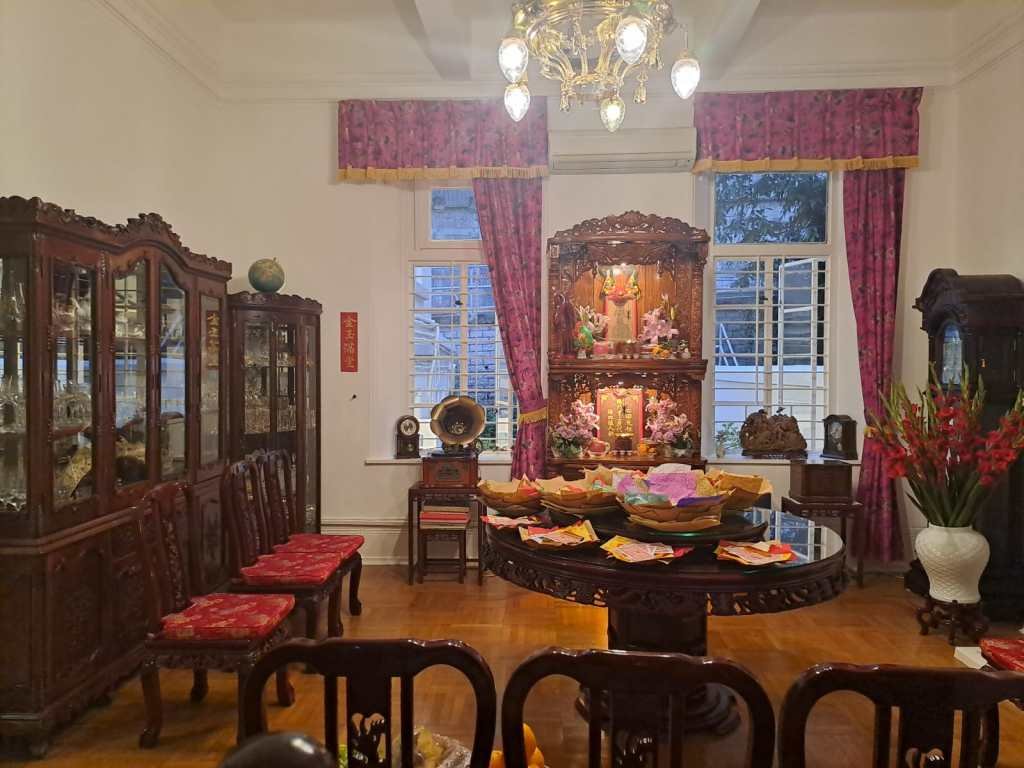
We arrive at the terminus of our festive chronology: Chor Kau, the ninth day of the Lunar New Year, celebrated as the Birthday of the Jade Emperor (Thi Kong Seh). In the theological hierarchy of Chinese folk religion, the Jade Emperor is the supreme sovereign of the cosmos. Consequently, this day represents the apotheosis of the holiday season—the moment where the metaphysical mandate to rule, earn, and conquer is formally ratified by the celestial administration.
For the Hong Kong elite, particularly those with roots in the Fujian diaspora, the morning of the ninth day is characterized by the aftermath of the “Midnight Incense.” The air in the exclusive enclaves of the Peak and the Southern District hangs heavy with the scent of sandalwood and the particulate matter of burnt offerings. The sociological function of this day is the restoration of order. If the previous days were defined by the suspension of rules (gambling, feasting, resting), Day 9 is the re-establishment of hierarchy. The “Great Incense” offering is not merely a prayer; it is a renewal of the contract between the earthly tycoon and the heavenly monarch.
The cinematic possibilities here move away from the intimate drama of the dinner table (discussed in Part 6) toward the epic scale of operation. A filmmaker like Ridley Scott or Christopher Nolan, known for their ability to convey the weight of institutions and the texture of worlds, would find a compelling visual narrative in the “burning of the treasury.” The ritual involves the incineration of vast quantities of “gold paper” (spirit money) in immense, roaring furnaces. It is a visceral, heat-distorting display of resources—a literal burning of representation to secure reality.
Hollywood often struggles to depict the intersection of high finance and high superstition without descending into caricature. However, a nuanced portrayal would focus on the dichotomy of the “Day 9 Morning.” Picture the protagonist, a master of the universe in a bespoke suit, standing amidst the drifting ash of the night’s ritual. The fire is dying down; the spiritual transaction is complete. He checks his watch—a Patek Philippe—and the scene cuts instantly to the sterile, blue-light environment of a trading floor or a boardroom. The juxtaposition suggests that the “magic” of the ritual is the fuel for the “logic” of the market. The incense smoke becomes the exhaust of the capitalist engine.
As we conclude this series, “The Gilded Equinox,” we observe that the Lunar New Year for the Hong Kong elite is not merely a collection of archaic customs. It is a sophisticated, psychological framework designed to manage time, lineage, and power. From the initial cleansing of the vessel to the biopolitical management of the body, and finally, to the bureaucratic alignment with the heavens, every step serves to reinforce the subject’s place in the world.
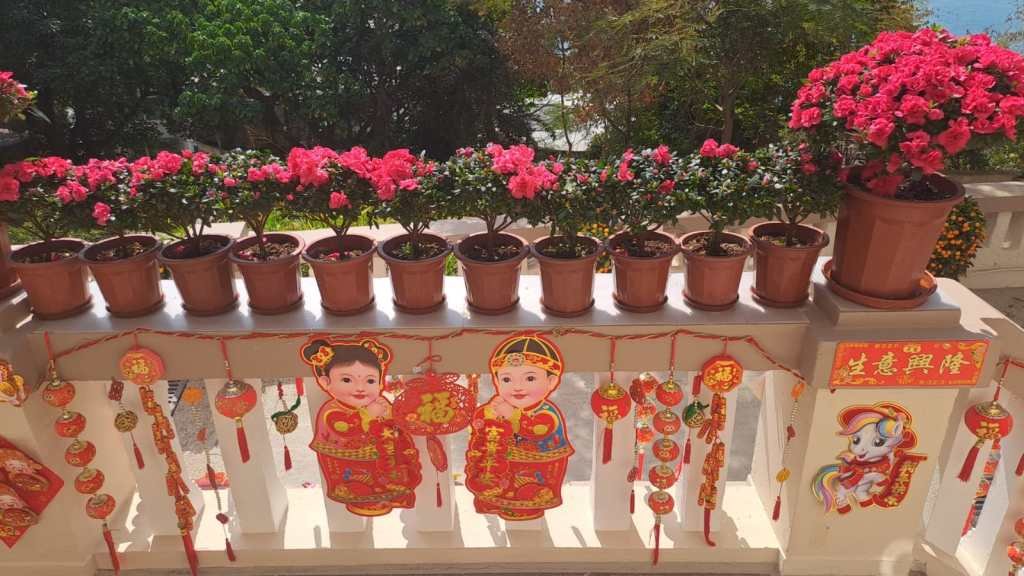
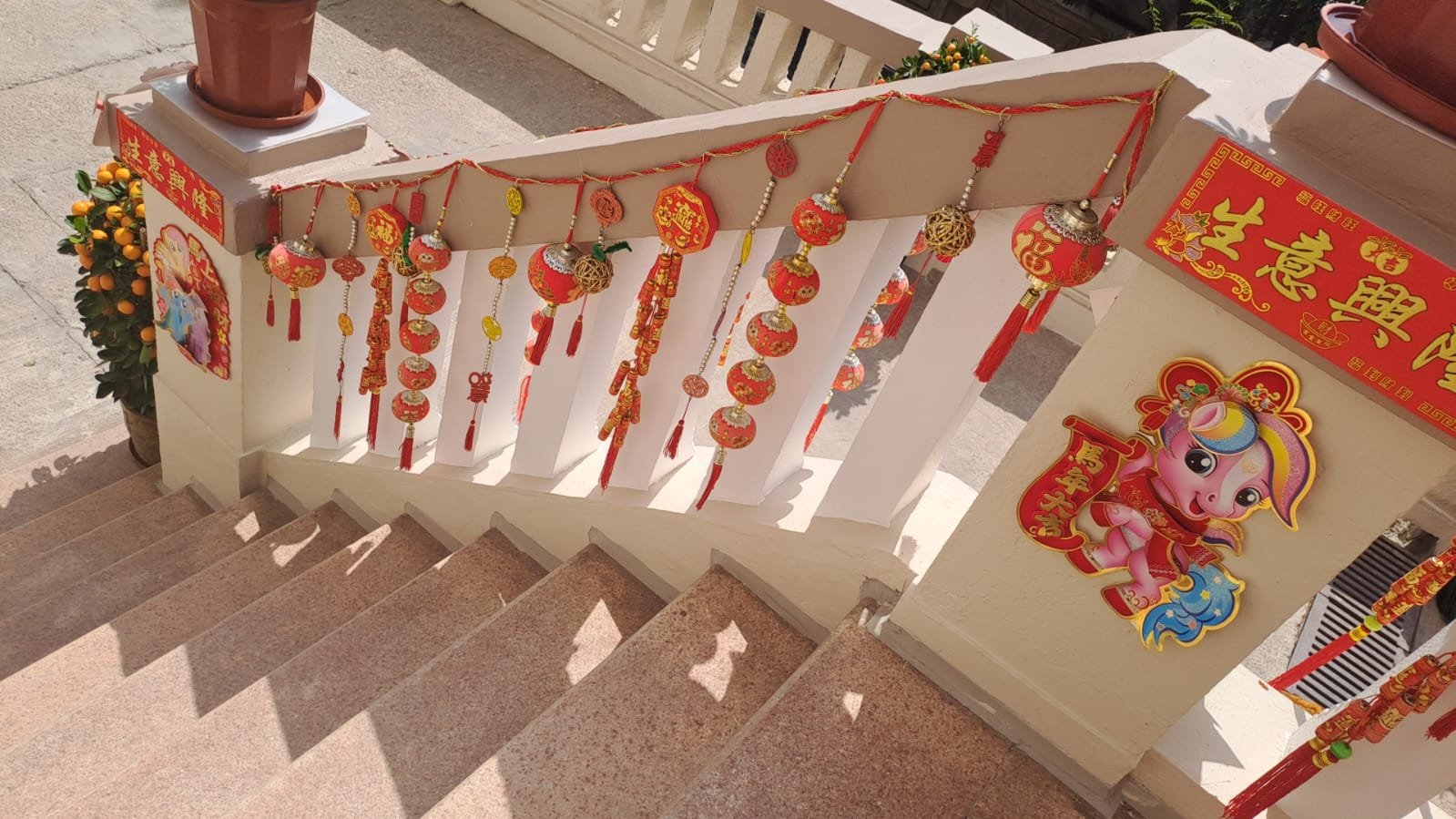
The festival is now effectively concluded. The “Year of the Horse” (or whichever zodiac applies to the current cycle) has been spiritually inaugurated. The gods have been fed, the ancestors honored, and the biological self preserved. The red lanterns will soon be taken down, and the city returns to its default setting of aggressive, unyielding commerce.
The echoes of the empire have been acknowledged. Now, the empire must be run.
End of Series