
Insane Fitness Cultures: Hong Kong vs. the United States – A Comparative Analysis with Political Nuances
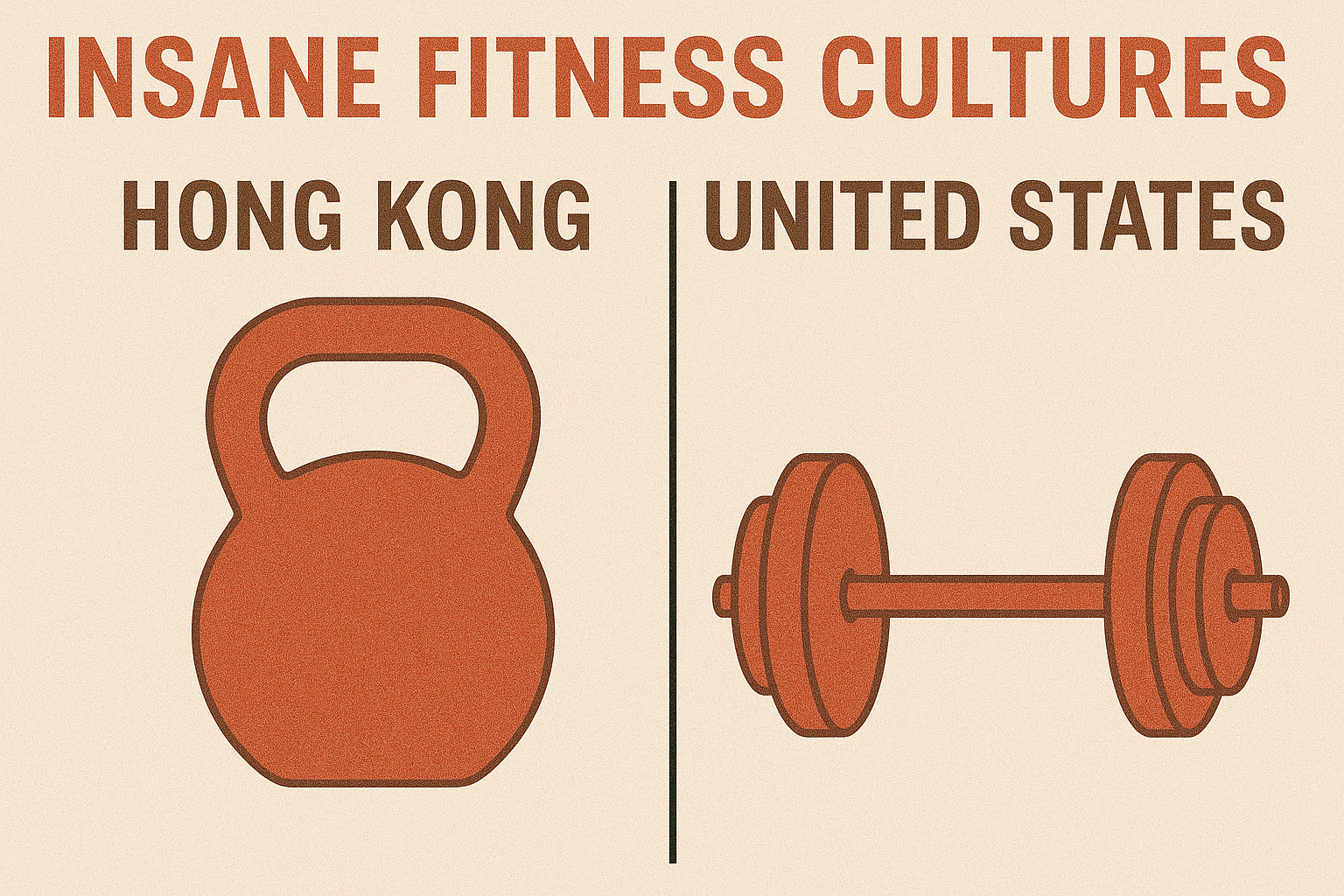
Hong Kong and the United States share reputations for extreme fitness dedication. In compact Hong Kong, residents pursue fitness amid skyscrapers, while America’s vast fitness industry spans boutique studios to big-box gyms. This post compares the two cultures, examining Democratic strongholds (New York City, Los Angeles, San Francisco) and Republican ones (Dallas, Houston, Miami) to highlight data-driven differences in exercise habits tied to political leanings.
Hong Kong’s Fitness Culture: Efficiency in a Vertical City
Hong Kong’s fitness scene thrives on necessity and aspiration in one of the world’s densest urban environments. Over half the population fails to meet recommended exercise levels, yet physical fitness has improved over the past decade. Limited space drives residents to hiking trails like Dragon’s Back or Victoria Peak, blending cardio with nature escapes. Gyms operate 24/7—chains like Pure Fitness and Anytime Fitness cater to workaholic schedules.
Trends lean toward functional training and body-conscious workouts. Pilates studios have exploded, with locals seeking toned physiques amid a culture profiting from body insecurities. Movement culture emphasizes natural, democratic exercises like calisthenics and animal flows. Community wellness grows in 2025, mixing high-intensity interval training (HIIT) with traditional Tai Chi. Personal training booms, often targeting aesthetics over pure health, fueled by social media and competitive career pressures.
The U.S. Fitness Landscape: Scale and Variety
America’s $30+ billion fitness industry offers endless options, from CrossFit boxes to yoga retreats. The 2025 ACSM American Fitness Index shows 94 of the top 100 cities increasing aerobic activity, though challenges like food insecurity persist. Fittest cities include Arlington, VA; Madison, WI; and San Francisco—mostly Democratic-leaning urban areas.
Democratic Hubs: Boutique, Holistic, and Trend-Driven
In Democratic strongholds like NYC, LA, and San Francisco, fitness often integrates wellness, community, and innovation. Boutique studios dominate: SoulCycle spin classes, Solidcore Pilates, and Barry’s Bootcamp blend cardio with strength in high-energy, instructor-led settings. Yoga and mindfulness feature prominently, with hotspots like CorePower Yoga in NYC or outdoor sessions in LA’s Runyon Canyon.
Tech influences abound—apps track Peloton rides in SF, where hiking and cycling align with eco-conscious values. Surveys indicate liberals exercise more frequently than conservatives, with Democrats 40%+ more likely to report increased workouts during stressful periods. Blue counties show lower obesity and higher activity levels, emphasizing aerobic and flexible routines like Pilates or running clubs.
Republican Hubs: Strength, Tradition, and Community Bonds
In Republican-leaning areas like Texas cities (Dallas, Houston) and Miami, fitness tilts toward strength training, group accountability, and outdoor pursuits. Big-box gyms like Lifetime Fitness or LA Fitness offer extensive weight rooms and functional training zones. CrossFit remains popular, alongside programs like F3 Nation—free, faith-infused men’s workouts in suburban Texas emphasizing push-ups, runs, and camaraderie.
Weightlifting and bodybuilding carry a “warrior” ethos, with muscular builds sometimes perceived as conservative signals. Hunting, fishing, and team sports like pickup football count as fitness in sprawlier landscapes. Data reveals higher physical inactivity and obesity in red counties, though Republicans report lower smoking rates historically. Right-leaning influencers focus more on strength training via social media.
Key Differences and Overlaps
| Aspect | Hong Kong | U.S. Democratic Hubs | U.S. Republican Hubs |
|---|---|---|---|
| Preferred Workouts | Hiking, Pilates, HIIT, 24/7 gyms | Yoga, spin, boutique Pilates | Weightlifting, CrossFit, F3 |
| Focus | Aesthetics, efficiency | Holistic wellness, trends | Strength, tradition, groups |
| Exercise Frequency | Moderate (50%+ insufficient) | Higher reported rates | Lower in red areas |
| Cultural Drivers | Space constraints, body image | Innovation, mindfulness | Resilience, faith-based bonds |
Democratic areas favor flexible, mind-body activities (yoga up significantly), while Republican ones prioritize raw strength—though overlaps exist, like HIIT everywhere. Partisan gaps link to broader health divides: blue regions meet aerobic/strength goals more often, red ones face higher inactivity.
Hong Kong’s culture mirrors U.S. urban intensity but lacks political overlay, focusing on survival in a high-pressure society. America’s scene reflects ideology: Democrats lean experiential and preventive, Republicans practical and disciplined. Both prove fitness is cultural—intense, evolving, and revealing of societal priorities.