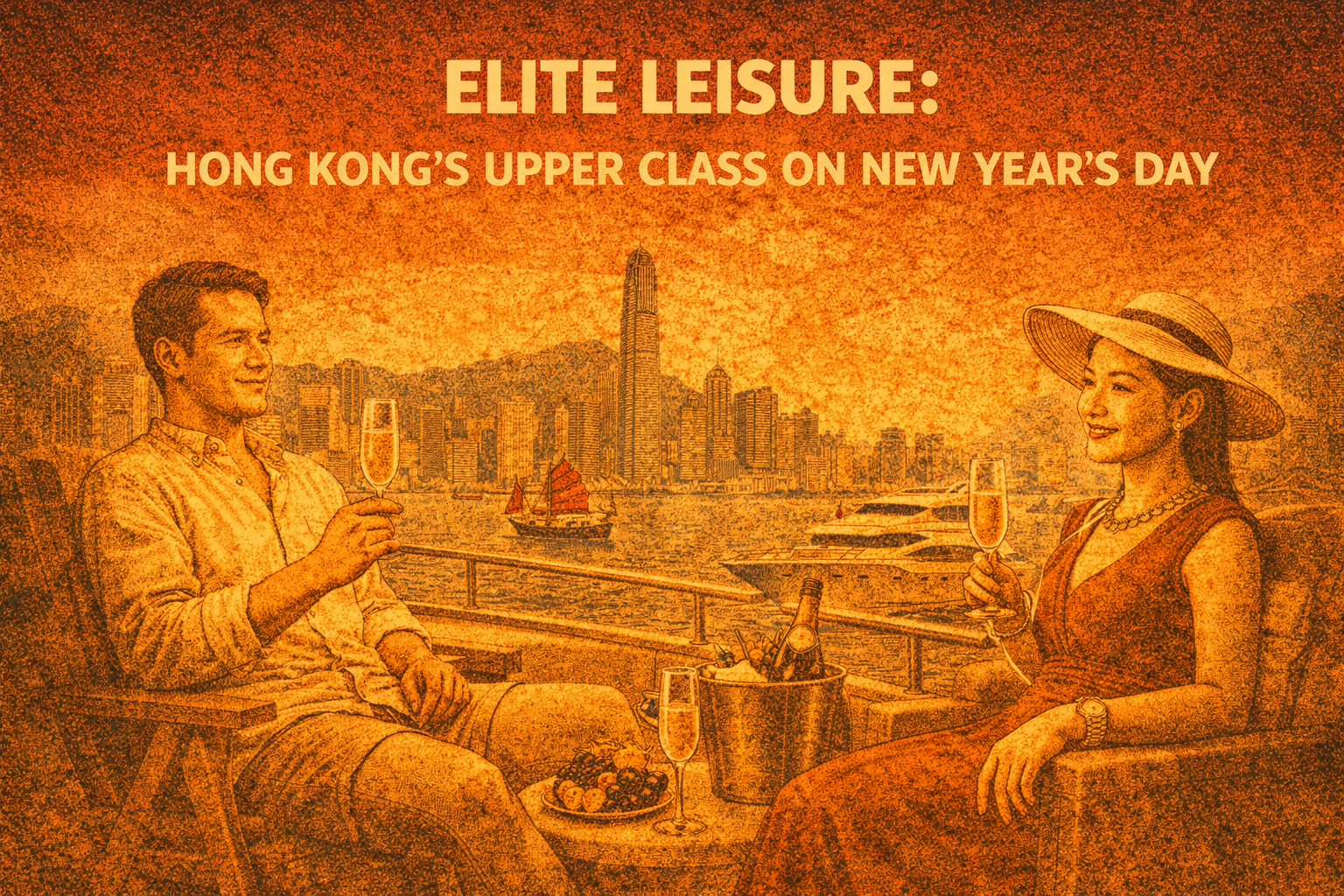

Elite Leisure: Hong Kong’s Upper Class on New Year’s Day
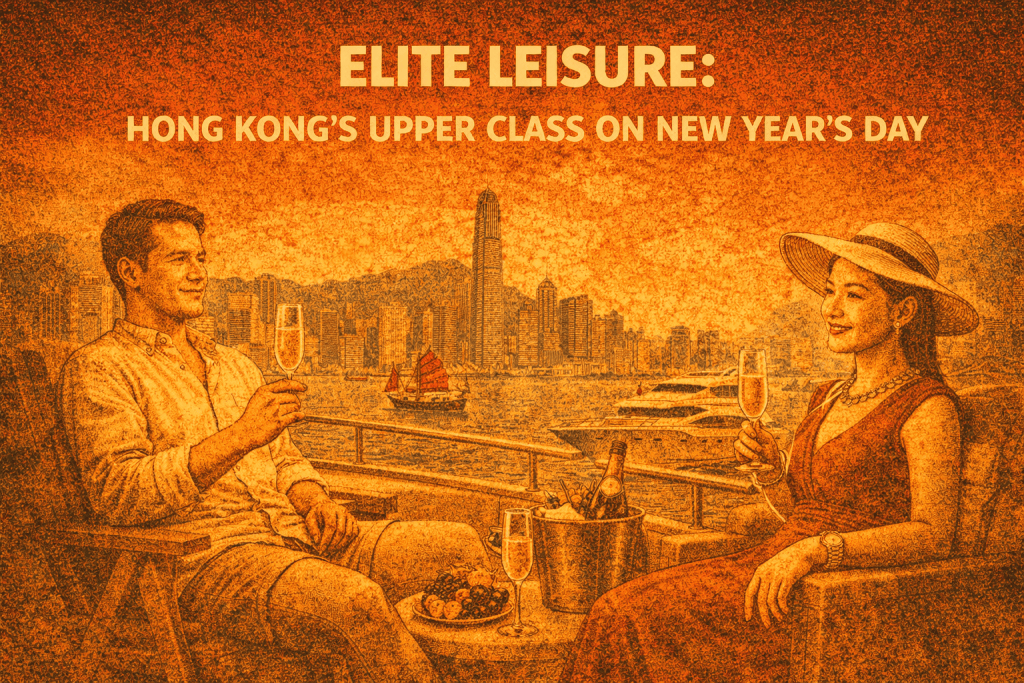
As the sun sets on this Thursday evening, January 1, 2026, in Hong Kong—it’s about 7:30 PM HKT, with the city still buzzing faintly from last night’s subdued countdown—I’m reflecting on how the day unfolded. New Year’s Day here is a public holiday, a rare pause in the relentless pace of this financial hub. For the upper class, it’s less about raucous festivities and more a calculated blend of recovery, indulgence, and social maintenance. Take my own day: I slept in until late morning, nursing a mild hangover from a rooftop gathering the night before, and now I’m gearing up for a New Year’s dinner with my dad’s old friend, someone I see perhaps once a year. It’s a ritual that underscores the quiet networks sustaining Hong Kong’s elite. But let’s dissect this systematically—how do the affluent really spend this day?
The morning typically begins with inertia. After New Year’s Eve events, which this year featured light shows over Victoria Harbour instead of fireworks due to the recent Tai Po tragedy, the upper echelons prioritize rest. Hong Kong’s wealthy often retreat to their high-rise apartments in districts like Mid-Levels or Repulse Bay, where floor-to-ceiling windows frame the harbor’s calm. Sleeping in until 10:00 AM or later is standard; it’s a luxury afforded by domestic help and flexible schedules. No early commutes here—many are entrepreneurs, bankers, or heirs whose work can wait. This downtime isn’t idle, though. It’s a strategic reset, allowing time for personal wellness routines: a home gym session, perhaps a virtual consultation with a private trainer, or even a quick stock market check via apps like Bloomberg. The provocative truth? In a city where status is tied to productivity, this “laziness” is a flex—a deliberate choice to unplug amid economic pressures that never fully subside.
By midday, the focus shifts to brunch, a cornerstone of affluent leisure on public holidays. Luxury hotels dominate this scene, offering opulent spreads that blend Western decadence with local flavors. At the Mandarin Oriental, for instance, the Clipper Lounge serves a free-flow champagne brunch featuring dim sum alongside international classics like eggs Benedict and fresh oysters. Priced around HK$800 per person, it’s not just food—it’s a social arena where families and business associates convene. Similarly, the Ritz-Carlton in Kowloon hosts buffets with harbor views, emphasizing premium ingredients like caviar and wagyu. Upper-class patrons flock here, often booking private rooms to avoid the tourist crowds. Why brunch? It’s efficient: a late breakfast-lunch hybrid that extends the morning’s repose while fulfilling familial obligations. For multigenerational households—common among Hong Kong’s tycoons—it’s a neutral ground for elders and youth to connect without the chaos of home cooking. Objectively, these venues reinforce class divides; entry requires not just money but connections, as tables sell out weeks in advance. Yet, it’s straightforward indulgence: calories consumed in air-conditioned splendor, conversations laced with market gossip or property deals.
Afternoons bring variety, but one activity stands out for its prestige: horse racing at Sha Tin Racecourse. On this New Year’s Day 2026, the Hong Kong Jockey Club’s “Lucky Start Raceday” draws the elite like a magnet. Gates open at 10:30 AM, with races kicking off at 12:30 PM, featuring a HK$128 million jackpot across pools like the Triple Trio. Membership in the HKJC is a hallmark of upper-class status—vetting is rigorous, favoring the wealthy and influential. Affluent attendees opt for premium spots: the Champion Circle with panoramic views and diverse cuisines, or the Leading Edge lounge offering unlimited drinks and private TVs. It’s not mere gambling; it’s a social ritual where billionaires rub shoulders, place bets (often in the thousands), and enjoy entertainment like quizzes and digital hubs. For families, it’s intergenerational—grandparents reminiscing about past wins, children learning the ropes. Provocatively, this event highlights Hong Kong’s gambling culture as a sanitized vice for the rich, contrasting with the city’s strict anti-corruption facade. Neutral analysis reveals its economic role: racing generates billions in revenue, funding charities while entertaining the one percent. Not everyone attends, of course; some prefer quieter pursuits like spa sessions at the Four Seasons or yacht charters in the South China Sea, but Sha Tin remains the day’s focal point for many.
As evening descends—like now, with the skyline aglow in post-holiday lights—the emphasis turns to dinners. These are intimate affairs, often at upscale restaurants or private homes. My own plan echoes a common pattern: reuniting with seldom-seen contacts, such as my dad’s friend, over Cantonese fare at spots like the Peninsula’s Imasa or Regent Hong Kong’s Harbourside. Menus feature symbolic dishes—abalone for prosperity, whole fish for abundance—priced at HK$1,000-plus per head. For the ultra-wealthy, it’s catered at home by Michelin-starred chefs, with wines from personal cellars. Family is central, but so is networking; these gatherings often double as subtle business discussions. In a city of transient expats and tycoons, New Year’s Day dinners maintain alliances forged over decades. Straightforwardly, they’re less festive than Eve’s parties and more reflective, allowing space for toasts to health and fortune amid global uncertainties.
Zooming out, this day’s structure reveals Hong Kong’s upper class as pragmatic hedonists. Economic disparity is stark—while the average resident might queue for public transport to a free park picnic, the elite glide in chauffeured Mercedes to exclusive enclaves. Yet, it’s unbiased fact: such spending stimulates the economy, from hotel revenues to racing bets. Provocative observation? In 2026, with ongoing recovery from global events, this holiday underscores resilience through ritual—brunch as bonding, racing as risk, dinner as renewal. No grand revolutions here; just a day of calibrated privilege. As I head to dinner, the city’s pulse reminds me: in Hong Kong, even leisure is an investment.