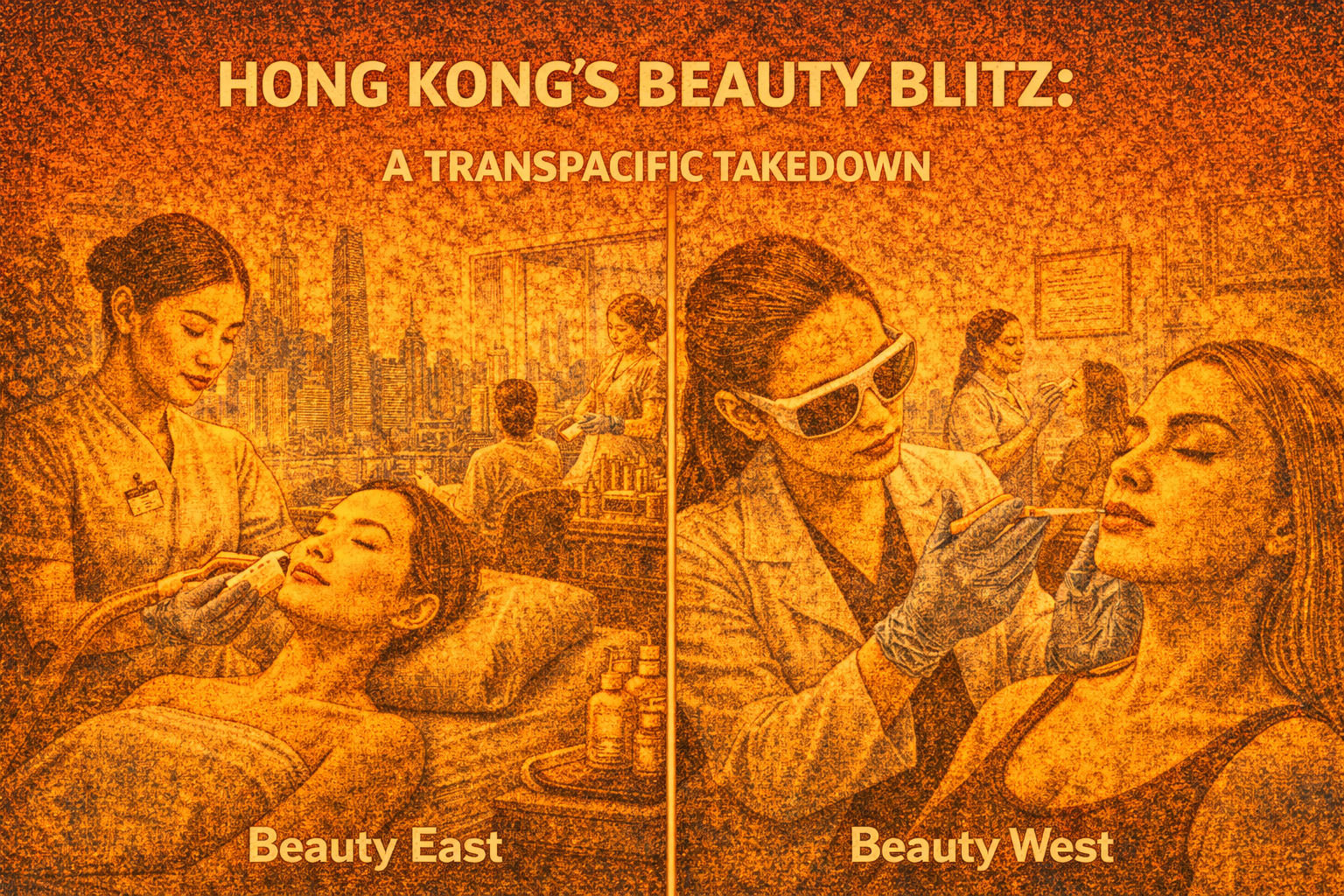
Hong Kong’s Beauty Blitz: A Transpacific Takedown
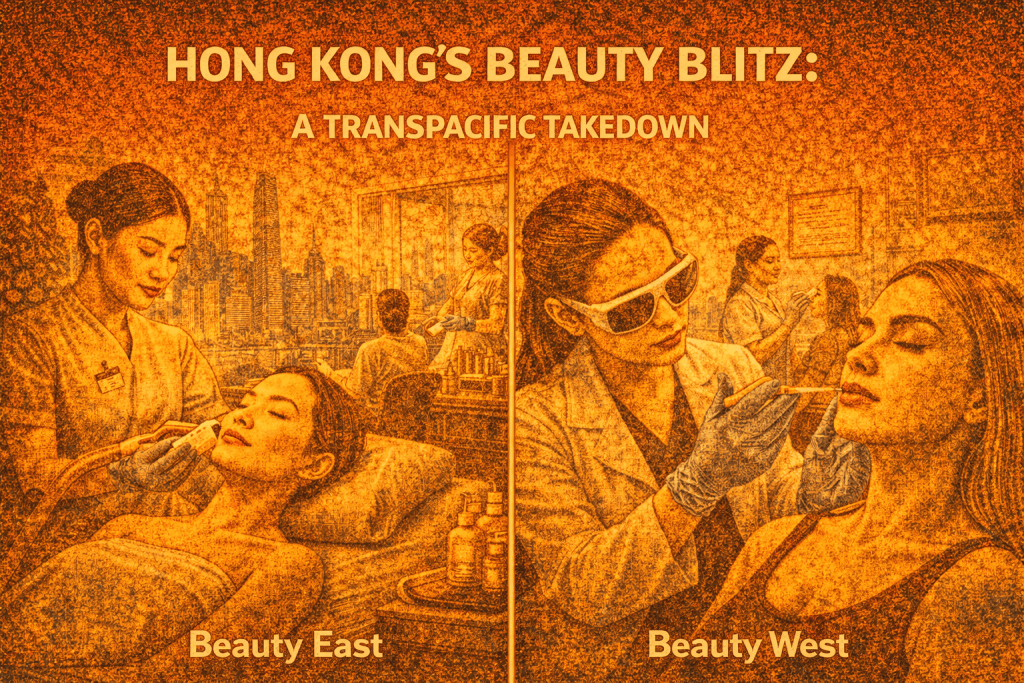
As I sit here in Hong Kong at 4:01 PM HKT on January 8, 2026, gazing out over the bustling streets of Central, the city’s beauty industry hums like a well-oiled machine. This sector, projected to generate US$2.38 billion in revenue for 2025 alone, encompasses everything from hairdressing to skincare and manicure services, forming a dense ecosystem in a compact urban landscape. It’s a market driven by international trade, with skincare products leading the charge through e-commerce and bespoke offerings that cater to a fast-paced, image-conscious populace. Hair salons in HK are ubiquitous, often blending traditional Chinese techniques with Western cuts, emphasizing precision and efficiency—think quick blowouts for executives rushing between meetings. Nail salons thrive on affordability and innovation, offering gel manicures infused with Asian botanicals at prices that undercut luxury without skimping on quality. Thai massage parlors and spas dot every district, providing authentic deep-tissue relief amid the city’s relentless humidity, often in no-frills settings that prioritize results over ambiance. Laser hair removal salons have exploded, leveraging advanced tech for permanent solutions tailored to diverse skin tones, while facial spots focus on anti-aging regimens using jade rollers and herbal masks. Freelance makeup artists for the upper class operate discreetly, serving tycoons and celebrities with personalized looks that fuse Cantonese subtlety with global trends, charging premiums for events like Lunar New Year galas.
This setup contrasts sharply with American counterparts, where space, culture, and regulation shape distinct flavors. In San Francisco, the beauty scene mirrors tech-driven innovation; med spas like Clarus Medical Aesthetics dominate with IV therapy-infused facials and laser treatments, emphasizing holistic wellness amid foggy Bay Area vibes. Hair and nail salons lean eco-friendly, using organic products, but prices soar due to high rents— a basic manicure might cost twice HK’s equivalent. Thai massages here blend with yoga influences, less ubiquitous than in HK but more upscale.
New York City’s beauty industry is a high-stakes arena, with spots like Skin Spa New York offering comprehensive laser hair removal, waxing, and injectables in sleek Midtown locales. Hair salons cater to diverse ethnicities, from Wall Street power cuts to Brooklyn braids, outpacing HK in sheer variety but matching its intensity. Nail salons are everywhere, often immigrant-run for budget options, while upper-class freelance makeup artists command fees for Met Gala preps, rivaling HK’s elite discretion but with more celebrity flash. Facials and spas focus on anti-pollution defenses, similar to HK’s humidity battles, though NYC’s pace demands even quicker sessions.
Los Angeles embodies Hollywood glamour, where salons like Le Rêve integrate hair, nails, massages, and facials under one roof, often with celebrity endorsements. Laser hair removal is ubiquitous for beach-ready bodies, surpassing HK in scale due to sprawling suburbs. Makeup artists for the upper echelons freelance for red carpets, emphasizing bold, camera-ready looks that contrast HK’s understated elegance. Spas incorporate wellness trends like cryotherapy, making them more experimental than HK’s traditional Thai offerings.
Atlanta’s scene is Southern-infused, with med spas like WIFH specializing in laser aesthetics and fat removal, blending medical precision with hospitality. Hair salons highlight textured styles for diverse populations, cheaper than HK but less dense. Nail and facial services are community-oriented, with freelance artists serving affluent Buckhead clients at events, though less globally influenced than HK’s fusion.
New Orleans brings a Creole twist; salons like Paris Parker offer hair, spas, and facials with jazz-age flair, focusing on humidity-resistant treatments akin to HK’s. Laser and massages are available but sparser, with upper-class makeup artists gearing toward Mardi Gras extravagance—more festive than HK’s corporate subtlety.
Chicago’s Tricoci Salon & Spa exemplifies Midwestern efficiency, providing hair, skin, nails, and body services with a focus on seasonal adaptations. Facials combat harsh winters, paralleling HK’s tropical challenges, while freelance artists for the elite handle Windy City galas. It’s more accessible than NYC but lacks HK’s 24/7 density.
Washington D.C.’s beauty world is policy-polished; spas like Spa Logic offer massages, nails, and facials in diplomatic enclaves, with laser treatments for power players. Hair salons emphasize professional looks, similar to HK’s executive focus, but upper-class makeup artists prioritize subtlety for inaugurations, echoing HK’s restraint without the Asian herbal edge.
Overall, HK’s beauty industry excels in compactness and cultural fusion, offering value-driven services that democratize luxury, while U.S. cities fragment into niche, often pricier experiences shaped by local identities. HK’s growth, tied to China’s booming professional services market at a 8.8% CAGR through 2033, positions it as a global contender, outpacing some American stagnation in saturated urban cores.
For Hollywood, HK’s beauty world inspires gritty narratives: A thriller where a laser salon doubles as a espionage hub, blending high-tech gadgets with undercover facials in neon-lit alleys. Or a drama about rival freelance makeup artists vying for a tycoon’s wedding contract, exposing class divides amid Thai spa intrigues. Imagine a rom-com pitting a NYC expat against HK nail salon owners in a cross-cultural merger, highlighting beauty’s universal yet localized power. These stories could probe ambition’s underbelly, from sweatshop-like salon labor to elite vanity’s dark side, all without moralizing—just raw, objective flair.