
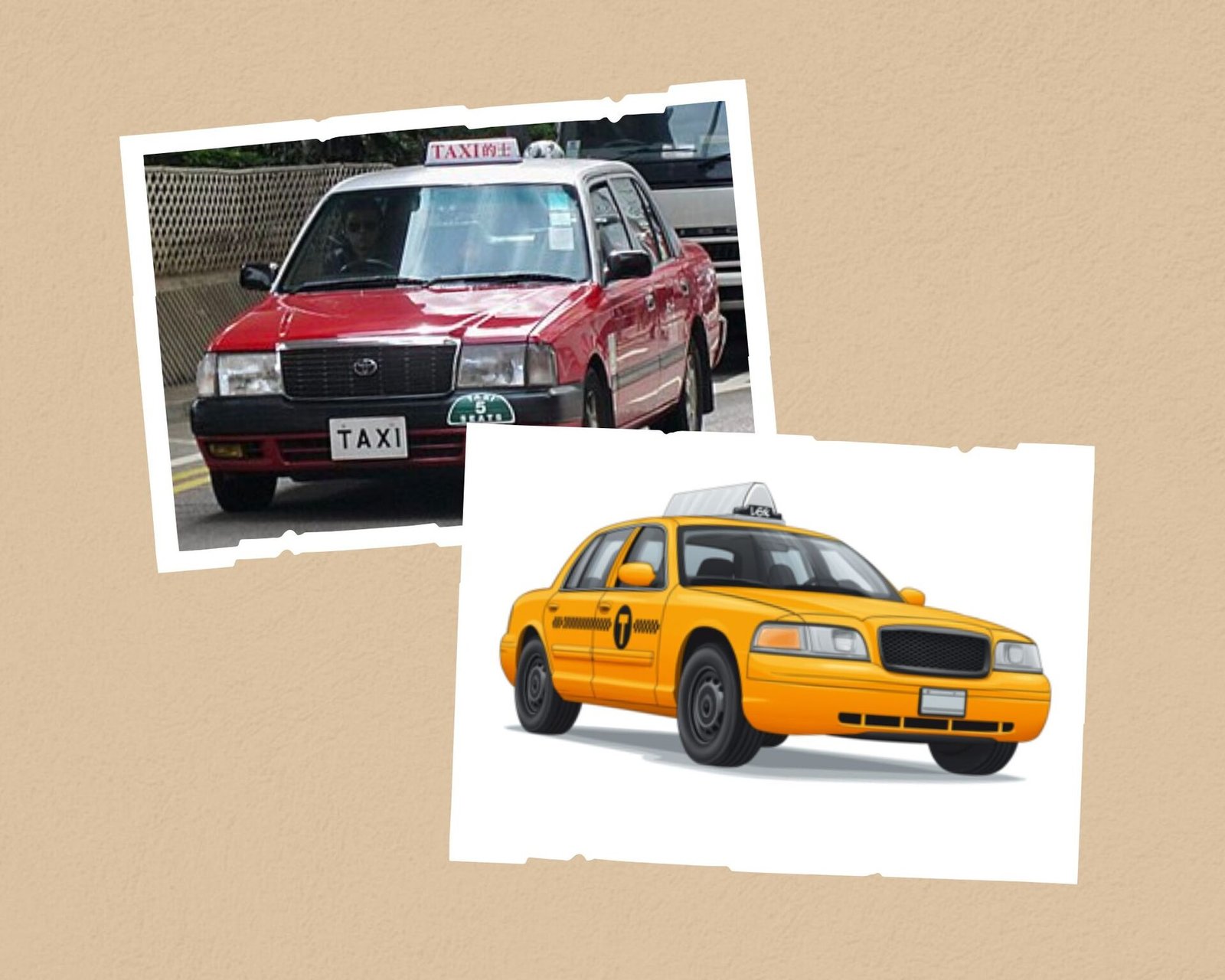

HK’s Red and NYC’s Yellow: a Tale of Two Taxicabs
Explore the history of HK’s Red and NYC’s Yellow Taxicabs and ponder, what makes these two so iconic?
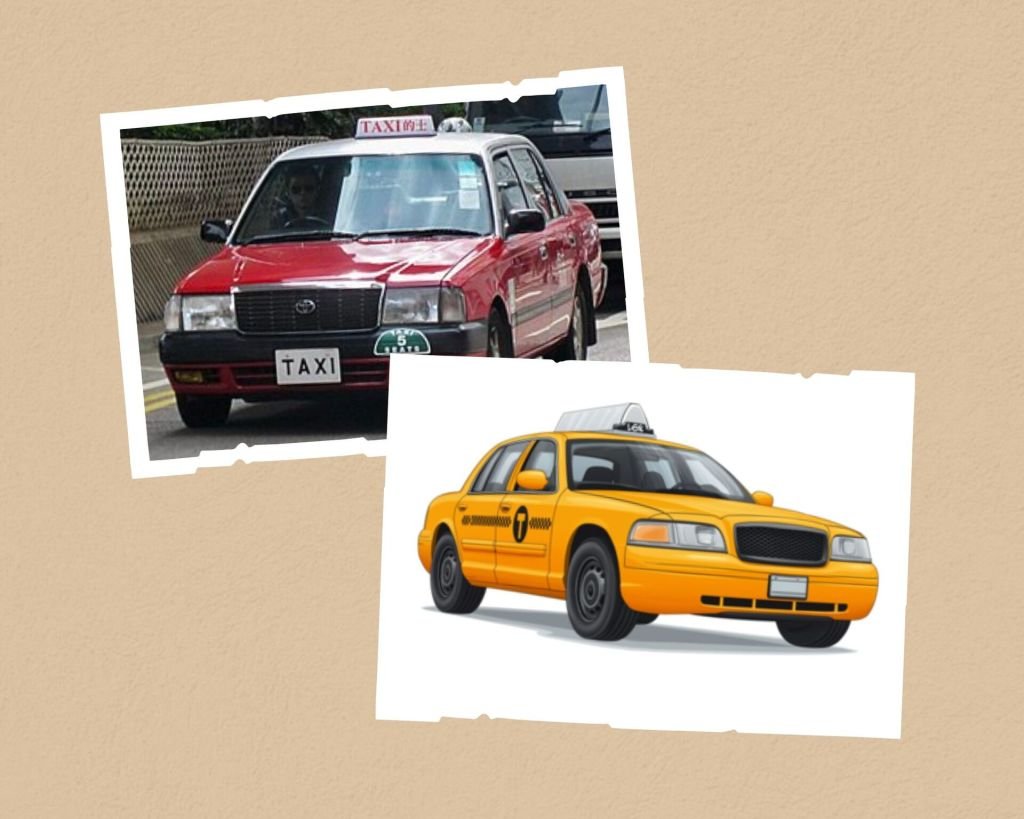
Comparing Hong Kong’s Taxis with New York City’s Iconic Yellow Cabs: From Origins to Urban Mobility
Taxis are quintessential symbols of urban hustle, embodying the pulse of cities like Hong Kong and New York. While New York’s yellow cabs evoke cinematic chases through Manhattan, Hong Kong’s multicolored fleet navigates dense streets with precision. Both systems face modern pressures from ridesharing, yet their histories, operations, and challenges reveal stark contrasts in regulation and adaptation. This article explores their evolution, fleet dynamics, fares, regulations, and future trajectories.
Historical Development
New York City’s taxi legacy began in 1897 with the Electric Carriage and Wagon Company operating 12 electric hansom cabs, expanding to 62 before financial woes ended it in 1898. By 1899, the Electric Vehicle Company ran up to 1,000 electric taxis, but a 1907 fire and economic panic halted progress. Gasoline-powered cabs emerged in 1907 when Harry N. Allen founded the New York Taxicab Company with 65 imported French vehicles, initially red and green, later yellow for visibility, reaching 700 by 1908. The 1920s saw fleets from General Motors and Ford, with Checker Cab dominating. The Great Depression spurred the 1937 Haas Act, creating the medallion system to cap licenses at 16,900, reduced to 11,787 by mid-century. In 1967, all medallion taxis were mandated yellow. The Taxi and Limousine Commission (TLC) formed in 1971, overseeing shifts like the Ford Crown Victoria’s prevalence until 2011.
Hong Kong’s taxis trace roots to colonial-era sedan chairs, licensed from the 1840s, peaking at 1,215 in 1920. Rickshaws, imported from Japan in 1870, surged to over 7,000 by the early 20th century but declined post-WWII, with no new licenses after 1975. Modern motorized taxis started in 1941 under Wu Zung with 40 vehicles, officially noted in 1947 with 329 cars, growing to 10,000 by 1980. In 1923, London-style cabs appeared, but the industry formalized post-war. Color coding began in 1974: silver-top red for urban, green for New Territories (1976), and blue for Lantau (1983) to ensure equitable coverage. NYC’s system evolved amid economic turbulence and innovation, while Hong Kong’s transitioned from human-powered to regulated motorized fleets post-colonial growth.
Fleet Size and Types
New York boasts over 12,000 yellow cabs as of 2023, with 13,587 medallions in 2016, though active drivers dropped to 30,488 by 2016 due to ridesharing. Yellow cabs serve all five boroughs, supplemented by green “boro” taxis (up to 18,000 planned by 2016) for outer areas. In June 2025, yellow cabs averaged 144,099 daily trips, up 22% year-over-year.
Hong Kong has 18,163 taxis: 15,250 red (urban), 2,838 green (New Territories), and 75 blue (Lantau). This segmentation ensures service in less profitable zones, unlike NYC’s unified yellow fleet.
Fares and Regulations
NYC fares start at $3, plus 70 cents per 1/5 mile or 60 seconds idling, with surcharges like $2.50 rush hour, $1 overnight, and $2.50 congestion. Regulations mandate pickups anywhere in boroughs, vehicle replacement every seven years, and anti-discrimination checks.
Hong Kong’s metered fares vary: red at HK$29 (~$3.70 USD) for first 2 km, then HK$2.10 per 200m; green HK$25.50; blue HK$24. Extra for baggage (HK$6) and tolls. Regulations restrict areas by color, with transferable licenses (prices fell to HK$4 million by 2024 from HK$7.25 million peak). Drivers need three years’ experience. Hong Kong taxis are cheaper for short trips but zoned; NYC’s are pricier with surcharges but more flexible.
Impact of Ridesharing and Challenges
Ridesharing decimated NYC yellow cabs, with trips plummeting post-2015, though Uber funneled 800,000 trips to them in March 2025 (~20%). Debt relief programs aided drivers in 2022.
In Hong Kong, Uber’s rise dropped license values below HK$2 million by 2025, prompting regulations by year-end. Complaints about rudeness and overcharging persist, with modernization pushes. Both face modernization: NYC via congestion pricing boosting trips 10% in early 2025; Hong Kong through fare flexibility and e-hailing laws. As cities evolve, blending tradition with tech could sustain these icons.
Works Cited
“Taxis of New York City.” Wikipedia, Wikimedia Foundation, 25 Sept. 2025, en.wikipedia.org/wiki/Taxis_of_New_York_City.
“Taxis of Hong Kong.” Wikipedia, Wikimedia Foundation, 25 Sept. 2025, en.wikipedia.org/wiki/Taxis_of_Hong_Kong.
“Taxi Fare.” NYC Taxi & Limousine Commission, City of New York, 25 Sept. 2025, www.nyc.gov/site/tlc/passengers/taxi-fare.page.
“Transport Department – Taxis.” Transport Department, Government of Hong Kong, 25 Sept. 2025, www.td.gov.hk/en/transport_in_hong_kong/public_transport/taxi/index.html.
Bowery Boys. “TAXI: A History of the New York Taxi Cab.” Bowery Boys History, 29 July 2022, www.boweryboyshistory.com/2022/07/taxi-a-history-of-the-new-york-taxi-cab.html.
Localiiz. “Hidden Hong Kong: A History of the Iconic Hong Kong Taxi.” Localiiz, 11 May 2021, www.localiiz.com/post/culture-history-taxi-local-public-transportation-hong-kong.
Industrial History HK. “Taxis in Hong Kong, a Timeline.” Industrial History HK, 19 July 2025, industrialhistoryhk.org/taxis-in-hong-kong-a-timeline/.
SCMP. “From Rickshaws to Motor Vehicles: The Evolution of Hong Kong’s Taxis.” South China Morning Post, 20 Apr. 2025, www.scmp.com/postmag/culture/article/3306579/rickshaws-motor-vehicles-evolution-hong-kongs-taxis.
SCMP. “When Hong Kong Got Its First Taxis.” South China Morning Post, 12 Nov. 2016, www.scmp.com/magazines/post-magazine/short-reads/article/2044817/when-hong-kong-got-its-first-taxis.
Auto Market Place. “NYC Taxi Roars Back: Trips Up 22%, But 25% of Medallions Still Inactive.”
Auto Market Place, 28 July 2025, automarketplace.substack.com/p/nyc-taxi-roars-back-trips-up-22-but.
Auto Market Place. “Uber Sent NYC Yellow Cabs 800K Trips in March, ~20% of Taxi Trips.”
Auto Market Place, 16 July 2025, automarketplace.substack.com/p/uber-sent-nyc-yellow-cabs-800k-trips. amNY. “NYC Yellow Cab Trips Up 10% After Launch of Congestion Pricing: TLC.” amNY, 10 Feb. 2025, www.amny.com/news/nyc-yellow-cab-trips-up-since-congestion-pricing/.
Hong Kong Free Press. “Explainer: What to Know About HK Taxi Licences, Why Their Value Is Plummeting Amid Rise of Uber.” Hong Kong Free Press, 21 June 2025, hongkongfp.com/2025/06/21/explainer-what-to-know-about-hong-kong-taxi-licences-and-why-their-value-is-plummeting-amid-rise-of-uber/.
SCMP. “Hong Kong Authorities to Reserve the Power to Regulate Ride-Hailing Fares.” South China Morning Post, 16 July 2025, www.scmp.com/news/hong-kong/transport/article/3318403/hong-kong-authorities-reserve-power-regulate-ride-hailing-fares.
Hong Kong Free Press. “Hong Kong’s Taxi Industry at a Turning Point: Can New Regulations Fix Refusals, Dirtiness and Rudeness?”
Hong Kong Free Press, 29 Dec. 2024, hongkongfp.com/2024/12/29/hong-kong-taxi-drivers-refusing-fares-dirty-cabs-rudeness-and-overcharging-will-new-rules-fix-industry/.
Economy Insights. “Traditional Taxis in the Uber Era.” Economy Insights, 9 Aug. 2025, www.economyinsights.com/p/traditional-taxis-in-the-uber-era.
Until next time,

可憐之人,必有可恨之處。 可恨之人,必有可悲之苦 魯訊