Civil’s Enduring Grip: Elite Literature in Hong Kong and Hollywood’s Untapped Lens
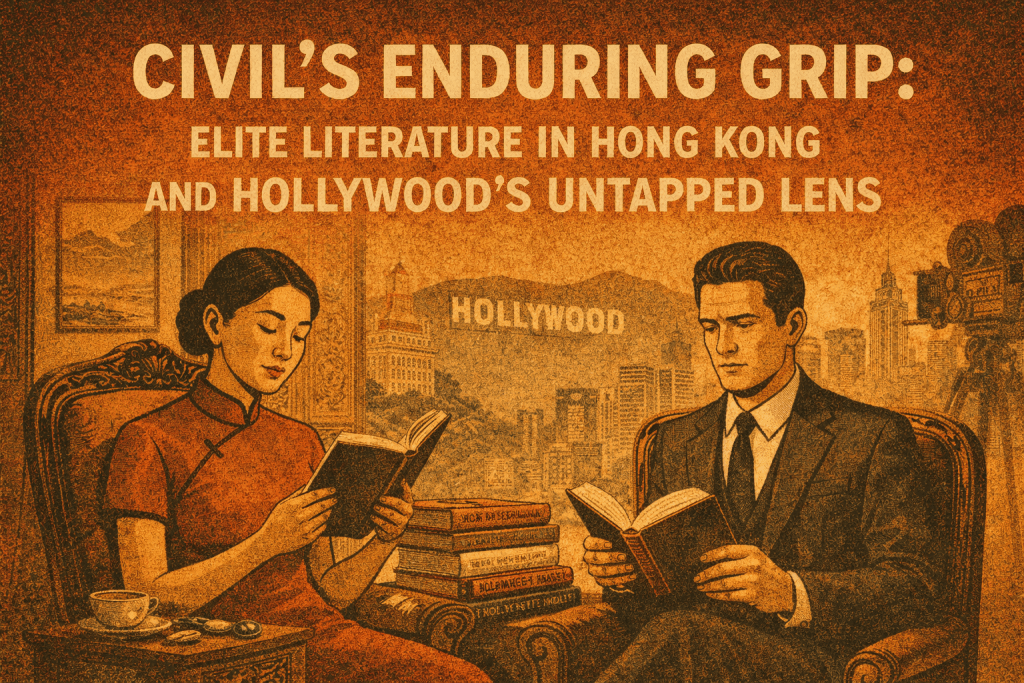
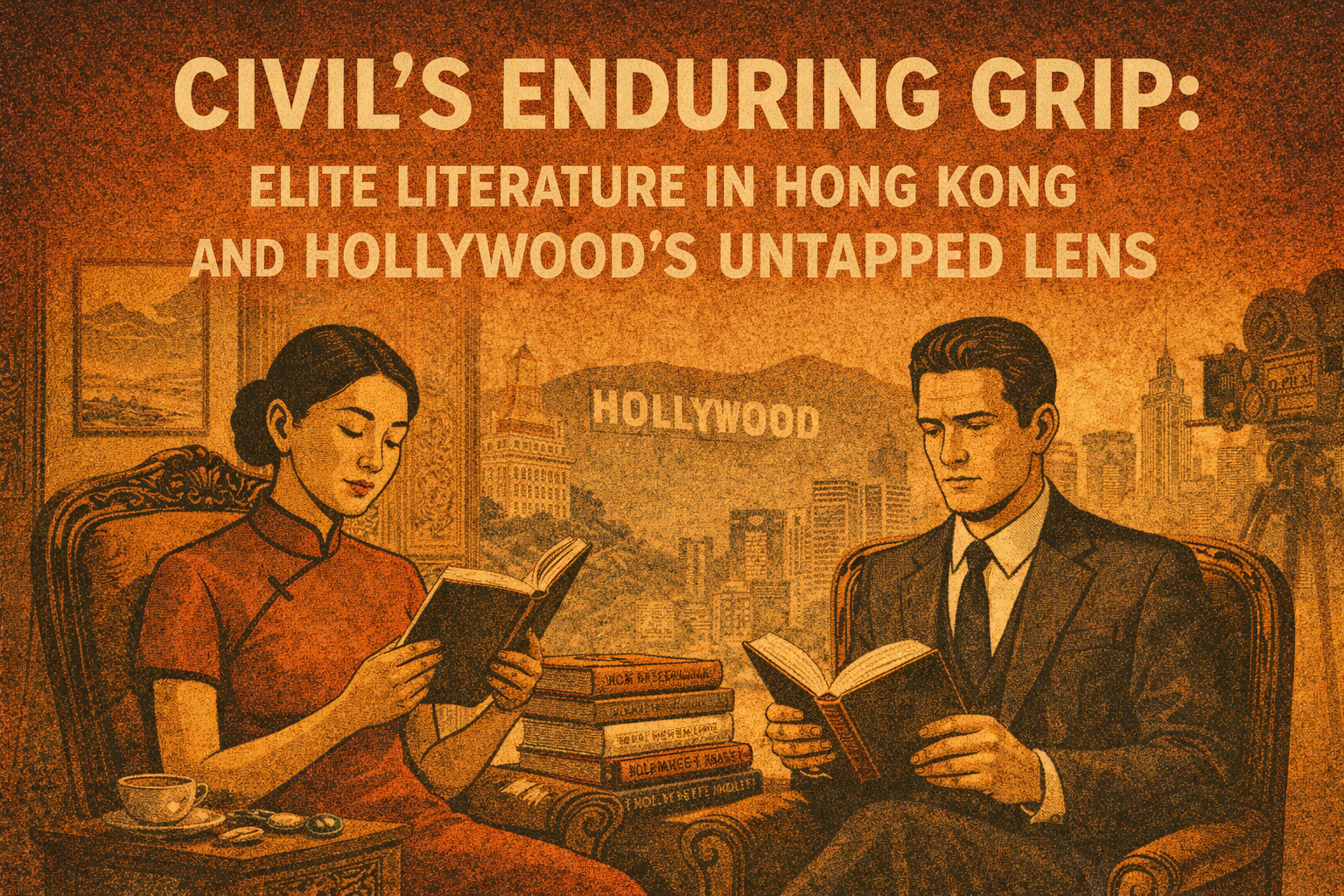
As a cultural consultant and producer in Hollywood, I’ve long been fascinated by how ancient cultural paradigms shape modern elites—and how they can invigorate global storytelling. In Hong Kong, the upper middle and upper classes maintain a nuanced relationship with literature, embodying the “civil” (文, man4) dimension of the traditional Chinese “civil-martial” (文武, man4 mou5) dyad. This binary, where civil (文, man4) represents scholarly refinement and martial (武, mou5) denotes prowess, historically defined an aristocratic education in Chinese society. Today, it persists in subtle ways among Hong Kong’s affluent, influencing their cultural capital and social distinction. Drawing from this, I see opportunities to infuse Hollywood narratives with authentic depth, challenging superficial portrayals of Asian characters.
The civil-martial (文武, man4 mou5) paradigm originates in Confucian thought, emphasizing balance between intellectual pursuits and physical strength for ideal manhood and leadership. Civil (文, man4) encompasses literature, arts, and moral cultivation, while martial (武, mou5) focuses on military skills. In ancient China, elites aspired to this duality for governance and personal excellence. A study on Chinese masculinity theorizes civil-martial (文武, man4 mou5) as a dyad balancing cultural and martial attributes, distinct from Western models. This framework informed imperial education, where Confucian scholars gained status through literary mastery via examinations. Historical texts portray the Confucian gentleman as embodying civil (文, man4) through ethical scholarship and martial (武, mou5) through disciplined action. In late imperial eras, civil (文, man4) dominated elite identity, with academies promoting literary fields. This aristocratic ideal required command of classics, poetry, and calligraphy, fostering a cultured ruling class.
In contemporary Hong Kong, this legacy endures among the upper strata, blended with colonial and global influences. Generations have grown up under Confucian family education, prioritizing diligence and moral learning. Elite schools, often attended by affluent families, integrate Chinese literature into curricula, preserving civil (文, man4) as a marker of sophistication. For instance, colonial-era efforts promulgated Chinese language and culture, embedding Confucian values in education. Upper-class parents invest in cultural capital like book reading and arts exposure, which correlates with academic achievement. Research shows cultural capital, including literature engagement, influences reading performance, though Confucian emphasis on effort tempers class disparities. In Confucian heritage societies like Hong Kong, familial cultural resources—such as home libraries and discussion of classics—boost student outcomes, particularly among the privileged. Upper middle-class households exhibit higher book-reading habits, using literature to transmit values and maintain status. Yet, civil’s (文, man4) role extends beyond academics; it signals refinement in social circles, where quoting Tang poetry or analyzing Dream of the Red Chamber distinguishes one at galas or boardrooms.
Despite Westernization, Hong Kong’s elites often balance civil (文, man4) with martial (武, mou5) through activities like tai chi or fencing alongside literary clubs. Confucian revival in education reinforces this, with programs echoing traditional ideals for moral and intellectual growth. Affluent families send children to international schools with bilingual curricula, where Chinese literature fosters cultural identity amid globalization. This engagement isn’t mere nostalgia; it’s strategic, enhancing global competitiveness while rooting in heritage. Studies indicate Confucian influences facilitate educational aspirations across classes, but upper tiers leverage them for elite networks. Thus, civil (文, man4) remains a pillar of aristocratic education, quietly perpetuating class boundaries through literary prowess.
Applying this to my Hollywood career, I envision transforming storytelling by weaving civil-martial (文武, man4 mou5) into narratives. Mainstream films often reduce Asian characters to martial (武, mou5) stereotypes—kung fu masters or stoic warriors—ignoring civil’s (文, man4) introspective depth. As a consultant, I would advise on scripts that portray Hong Kong elites as multifaceted: a tycoon quoting Confucius in a boardroom thriller, balancing intellectual strategy (civil, 文, man4) with decisive action (martial, 武, mou5). This authenticity would disrupt clichés, appealing to global audiences hungry for nuance.
In production, I’d push for stories exploring civil’s (文, man4) tensions in modern life. Imagine a drama about a Hong Kong heiress navigating family legacy through literature, her civil (文, man4) education clashing with corporate martial (武, mou5) demands. Drawing from real elite dynamics, such tales would humanize Asian affluence, countering exoticism. Peer-reviewed analyses of civil-martial (文武, man4 mou5) in media, like TV dramas depicting Confucian heroes, show how blending elements creates compelling arcs. By consulting on cultural accuracy, I’d ensure representations reflect factual heritage, fostering cross-cultural dialogue.
Provocatively, Hollywood’s oversight of civil (文, man4) risks perpetuating one-dimensional views, missing box-office potential in Asia’s markets. Integrating this dyad would yield Oscar-worthy depth: think a biopic of a Hong Kong intellectual warrior, echoing historical Confucian generals. As producer, I’d champion projects where civil (文, man4) drives plot—moral dilemmas resolved through literary insight—elevating films from action spectacles to philosophical explorations.
Ultimately, Hong Kong’s upper classes’ ties to civil (文, man4) reveal a timeless aristocratic blueprint. In my work, harnessing this would redefine Hollywood’s Asian narratives, making them provocative, profound, and profitable.