Echoes of Empire: Hong Kong’s Colonial Architectural Legacy
As a scholar immersed in the intersections of Western and Chinese Buddhist philosophies, I approach Hong Kong’s colonial buildings with a lens that appreciates their historical materiality and cultural resonance. These structures, remnants of British administration from 1841 to 1997, embody architectural adaptations to local topography and climate, while their contemporary repurposing illustrates a dynamic interplay between preservation and utility. In this reflection, I examine Béthanie, Stanley Murray House, Flagstaff House, and Felix Villas, drawing on documented histories to analyze their integration into Hong Kong’s sociocultural fabric. Today, December 17, 2025, marks my inaugural visit to Flagstaff House and Béthanie, affording a firsthand perspective on their enduring presence amid the city’s evolving landscape. Concurrently, Stanley Murray House and the adjacent Stanley Plaza are in the final stages of preparation for the annual Christmas Market, themed “Merry Gingermas,” scheduled from December 19 to 28, featuring over 100 booths of crafts, ginger-infused delicacies, and festive performances, as confirmed by recent announcements from organizers like Link Asset Management. This event underscores the site’s role in seasonal communal activities, blending colonial aesthetics with modern holiday traditions.
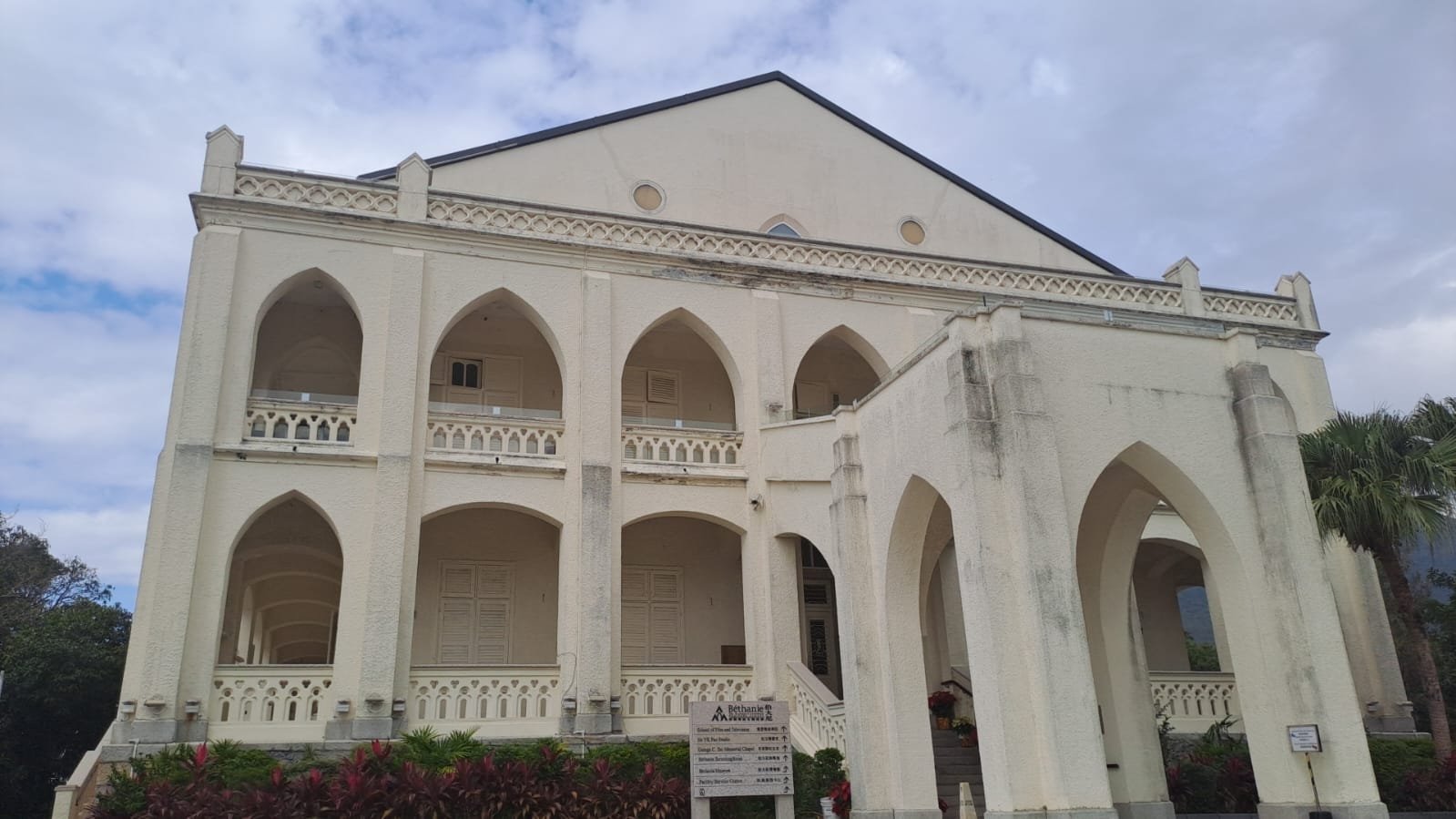
Béthanie, situated in Pok Fu Lam on Hong Kong Island, exemplifies neo-Gothic ecclesiastical architecture constructed in 1875 by the Société des Missions Étrangères de Paris. Its design incorporates pointed arches, ribbed vaults, and verandas engineered for ventilation in subtropical conditions, serving initially as a sanatorium for missionaries afflicted by regional maladies. Archival records indicate it accommodated approximately 6,000 individuals over its operational century until the 1970s. Following restoration in the early 2000s and its designation as a declared monument in 2008, it now functions within the Hong Kong Academy for Performing Arts. On my visit today, I observed the chapel’s preserved interiors hosting rehearsals for upcoming productions, where the acoustic properties enhance performative arts. This adaptive reuse facilitates cultural dissemination, positioning Béthanie as a nexus for artistic education and public engagement, thereby integrating colonial missionary heritage into Hong Kong’s creative economy without effacing its origins.
Stanley Murray House, formerly Murray House, represents a paradigmatic case of architectural relocation and functional transformation. Erected in 1846 in Central as military officers’ quarters, it features Victorian neoclassical elements such as Ionic columns, balustrades, and a hipped roof tiled for durability against monsoons. During the Japanese occupation (1941–1945), it was repurposed as Kempeitai headquarters, including interrogation facilities, as detailed in postwar historical accounts. Dismantled in 1982 amid urban redevelopment, its components—numbering over 3,000—were reassembled in Stanley in 2001, earning Grade I historic status. Presently, it accommodates dining establishments and retail outlets with views of Stanley Bay. As preparations for the “Merry Gingermas” Christmas Market unfold today, the site is abuzz with stall setups and decorative installations, transforming the piazza and Murray House into a vibrant marketplace. This seasonal adaptation exemplifies how colonial structures support economic vitality through tourism, fostering community interactions that transcend historical imperial connotations.
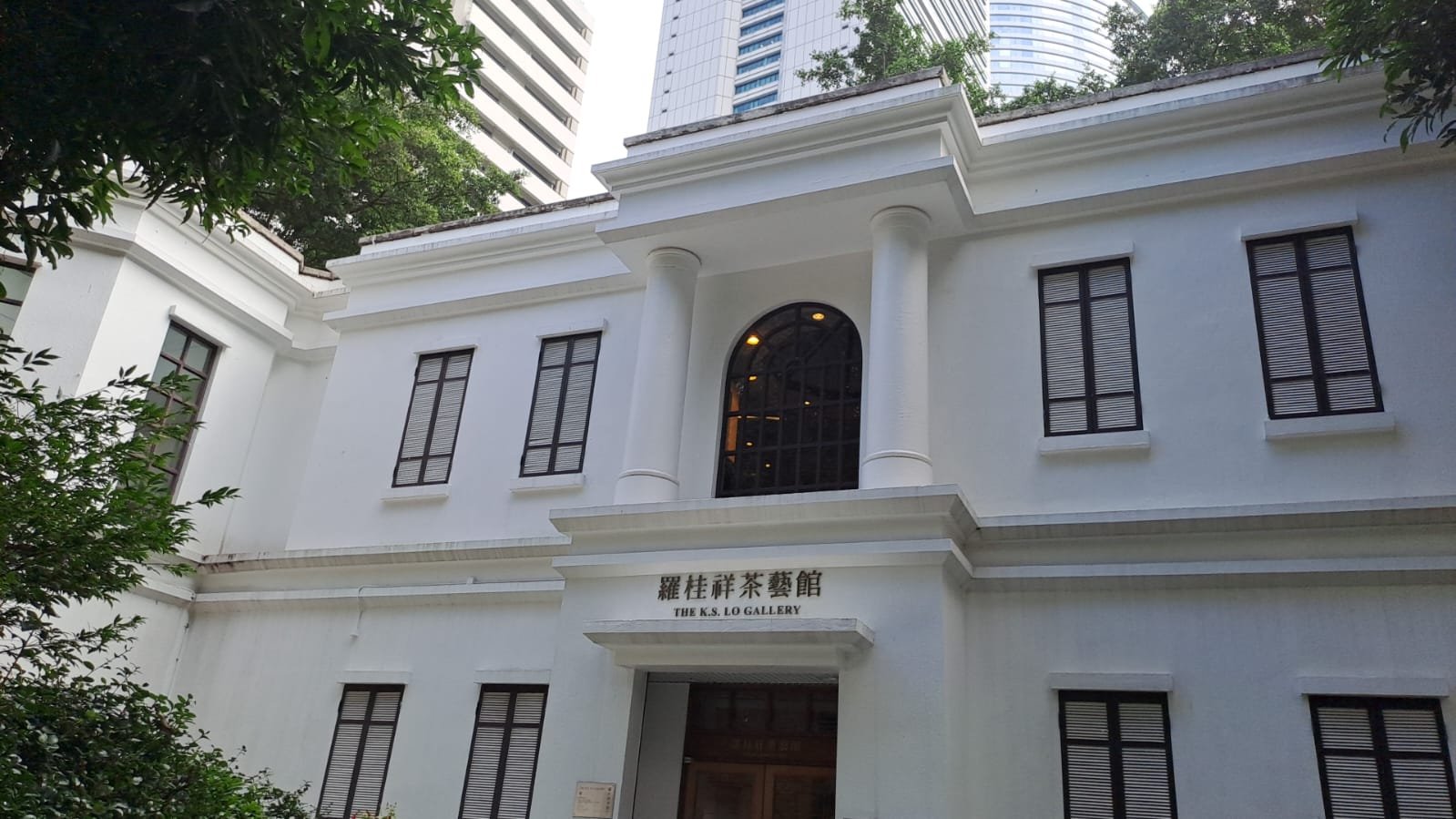
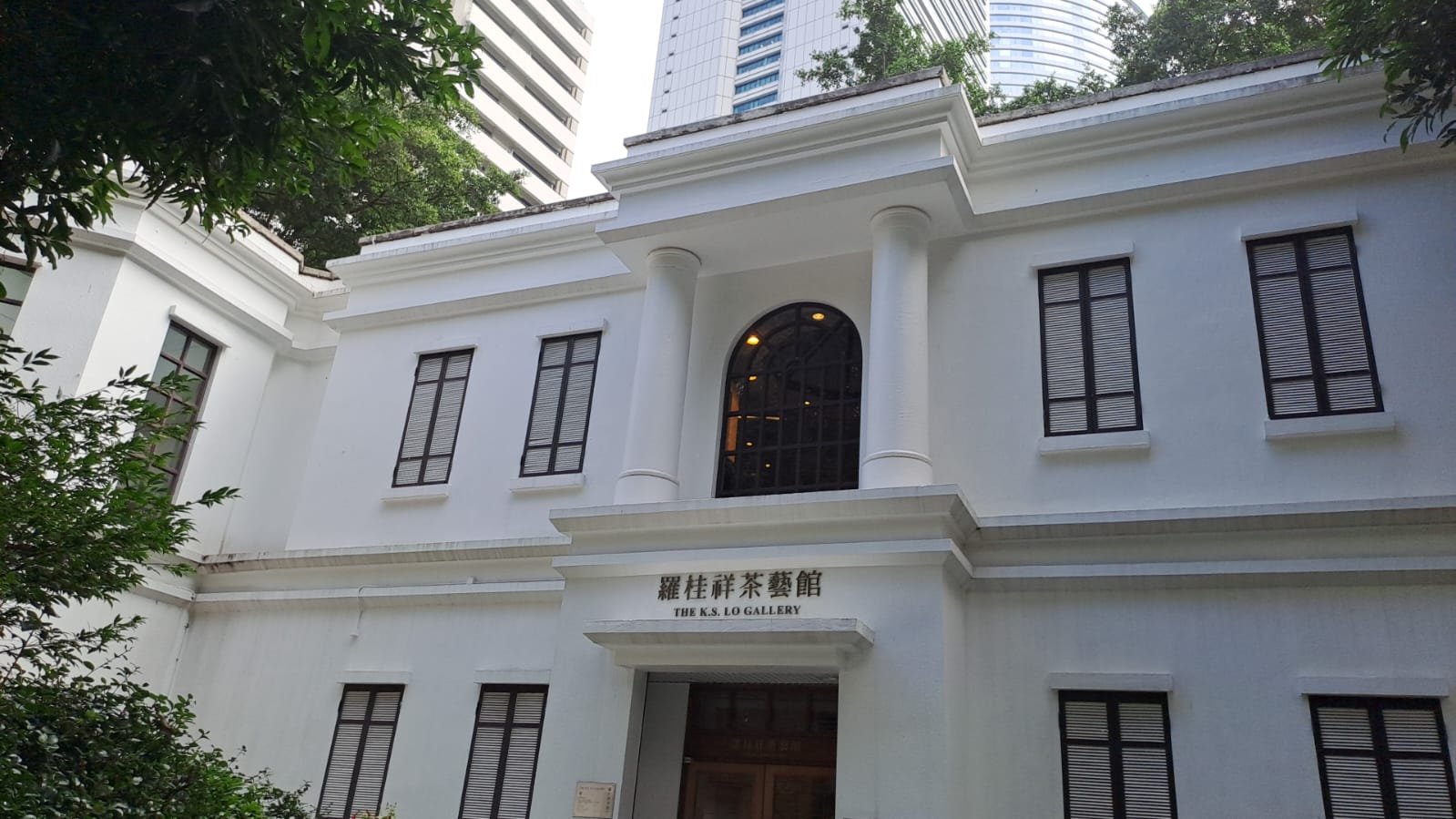
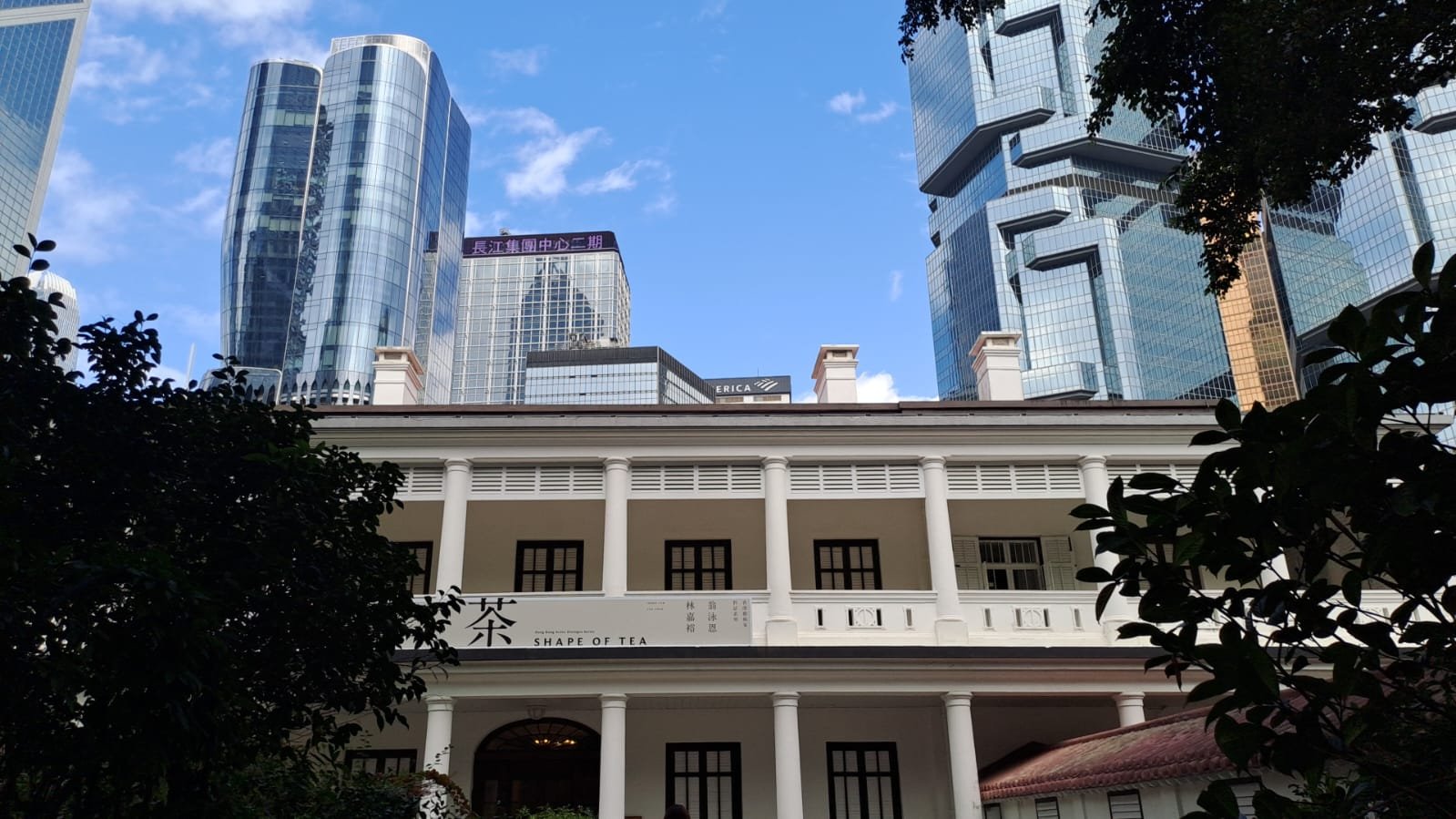
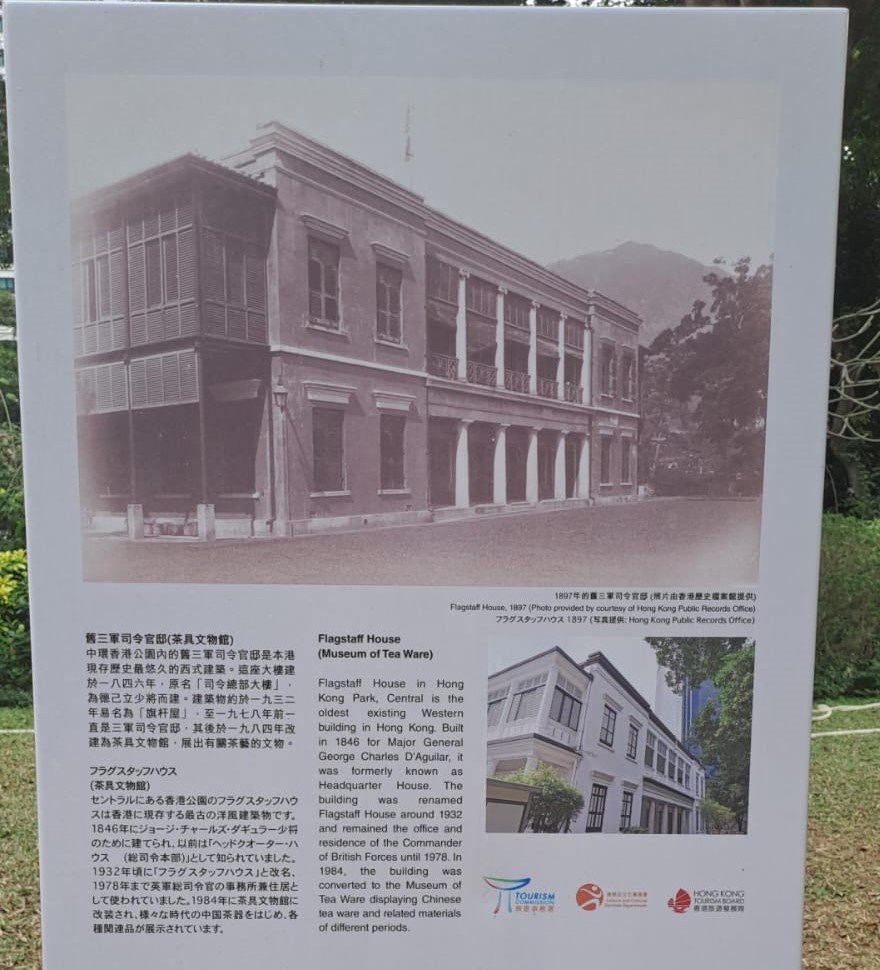
Flagstaff House, located in Hong Kong Park, Central, stands as the earliest extant Western edifice in the territory, completed in 1846 in Greek Revival style with symmetrical facades, pedimented porticos, and stucco finishes. It served as the residence for British military commanders until 1978, notably occupied by Major General George Charles D’Aguilar in its formative years. Designated a monument in 1989, it was reconceptualized as the Museum of Tea Ware in 1984 under the Leisure and Cultural Services Department. The collection encompasses over 600 artifacts, spanning Yixing teapots from the Ming and Qing dynasties to contemporary interpretations, elucidating the evolution of tea culture integral to Cantonese social practices. During my first visit today, I traversed the exhibits, noting how the building’s colonial framework contextualizes indigenous traditions, such as yum cha rituals. This integration promotes pedagogical outreach, with programs for educational institutions and the public, thereby embedding the structure within Hong Kong’s hybrid cultural narrative.
Felix Villas, comprising eight terraced residences on Mount Davis Road in Pok Fu Lam, were developed between 1922 and 1924, named for the colonial entrepreneur Felix Joseph Alexander. Their design reflects interwar domestic architecture, with elevated ceilings, chimneys, and expansive verandas mitigating heat and humidity. Initially private domiciles, they now primarily house senior academics from the University of Hong Kong, with select units leased. As graded historic buildings, they preserve original spatial configurations, facilitating scholarly discourse in a setting evocative of colonial residential norms. Their subdued integration into academic life underscores a continuity of elite spatial practices, contributing to broader dialogues on heritage conservation in urban contexts.
These edifices, overseen by the Antiquities and Monuments Office, demonstrate a scholarly-informed approach to heritage management, where adaptive reuse aligns with principles of sustainability and cultural relevance. They enhance tourism revenues and educational initiatives, embodying Hong Kong’s postcolonial identity as a confluence of global influences.
In my capacity as an aspiring cultural consultant, informed by Western and Chinese Buddhist philosophies, I leverage these sites in advising Hollywood producers on scripts. I scrutinize narratives for historical fidelity, averting inaccuracies in colonial depictions. Invoking mou4 soeng4 (無常), I elucidate themes of impermanence, mirroring the buildings’ functional evolutions. Yun4 hei2 (緣起), or interdependent arising, informs objective analyses of cultural synergies. Through archival consultation and collaborative revisions, I ensure balanced representations.
https://videos.files.wordpress.com/xl97ixiN/whatsapp-video-2025-12-18-at-06.59.10_e31cd27b.mp4
Narratives I propose include a Béthanie-based historical drama on missionary intercultural dialogues, framed by mou4 soeng4 to explore transience. A suspense narrative at Stanley Murray House could draw on its wartime history for artifact-driven plots. Flagstaff House might anchor a story of colonial trade intricacies, incorporating mindfulness motifs. Felix Villas could underpin a multigenerational examination of identity, emphasizing yun4 hei2 in relational dynamics. These derive from empirical records, facilitating nuanced storytelling.