Glittering Nights: HK’s Elite Clubbing Realm
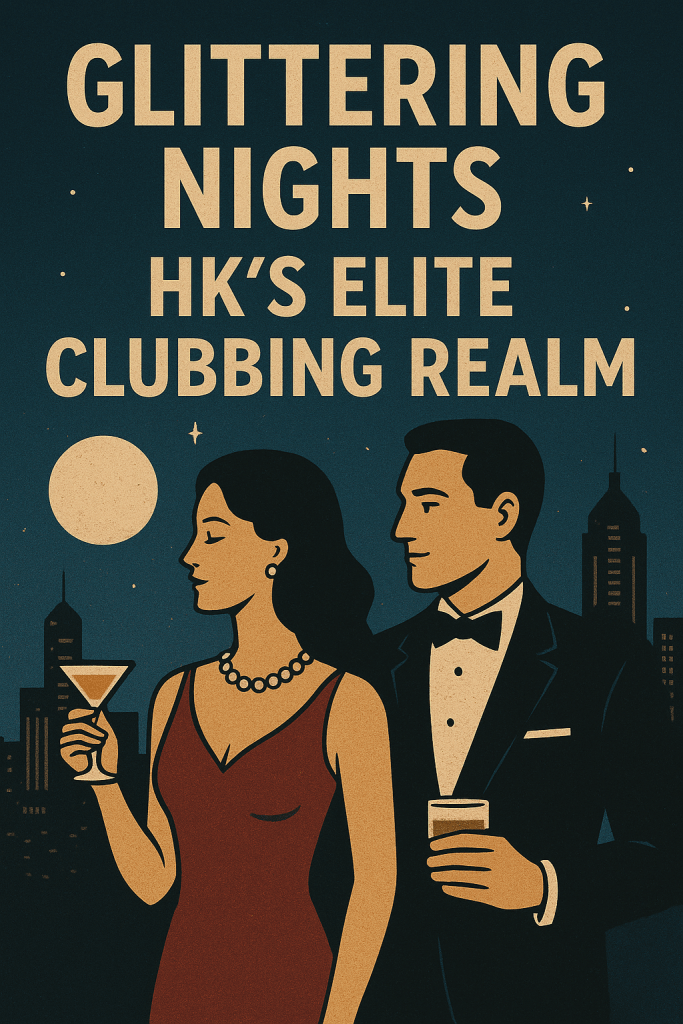
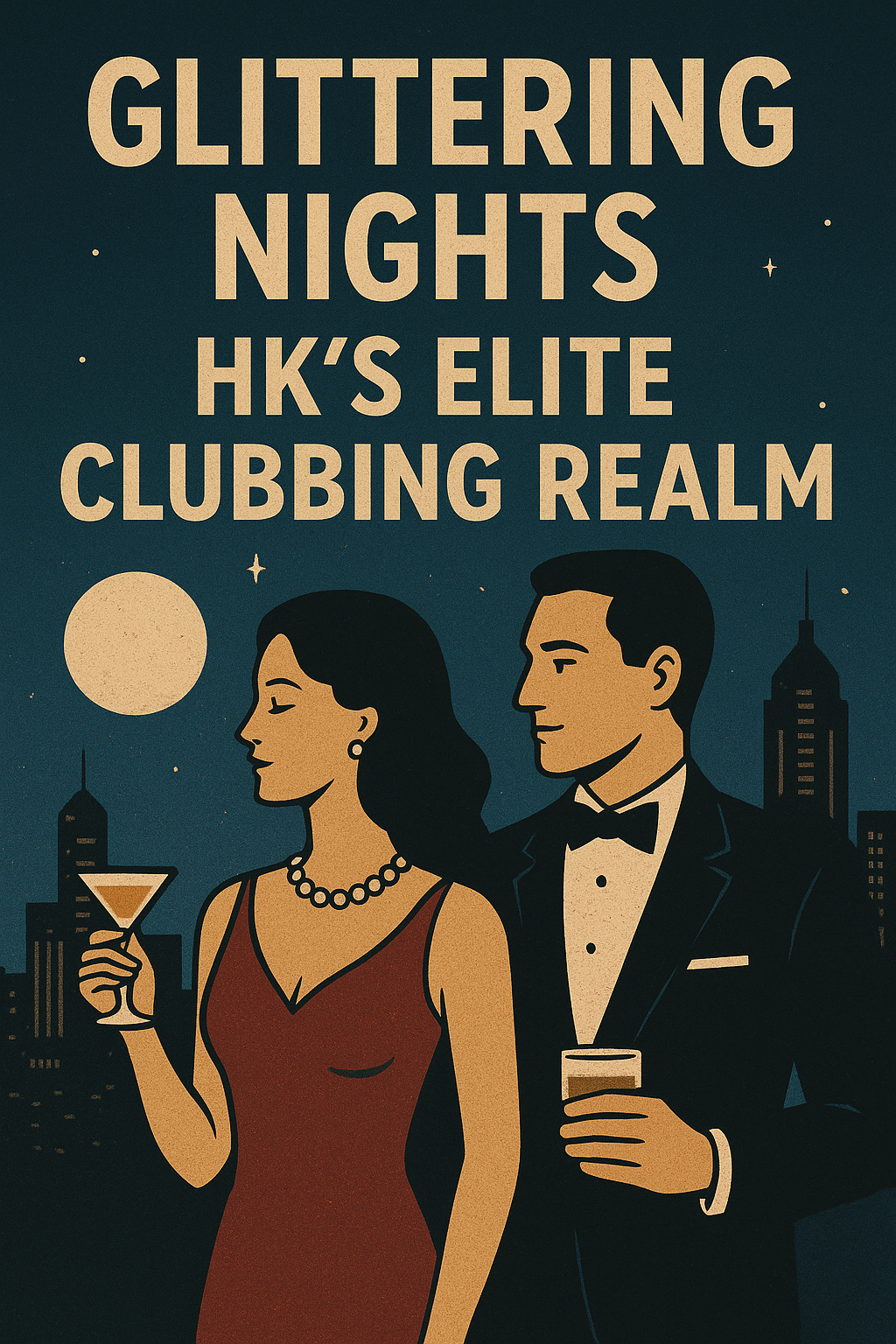
As the neon skyline of Hong Kong ignites against the twilight, the city’s elite slip into a world where champagne flows like Victoria Harbour’s tides and basslines pulse through marble-floored venues. For the upper middle and upper classes—bankers, entrepreneurs, and heirs to family fortunes—the clubbing scene isn’t mere escapism; it’s a glittering arena of social alchemy. Here, deals are sealed over Dom Pérignon, alliances forged amid strobe lights, and status affirmed by the velvet rope’s nod. This vibrant nightlife, concentrated in districts like Lan Kwai Fong (LKF) and Central, embodies Hong Kong’s relentless energy, blending opulence with a touch of Eastern mystique. But beyond the parties, it reveals deeper cultural layers and offers ripe fodder for Hollywood’s dramatic lens.
The heart of Hong Kong’s high-end clubbing beats in LKF, a cobblestone labyrinth transformed into a playground for the affluent. Iconic spots like Dragon-i stand out as bastions of exclusivity, where red lanterns meet modern minimalism, attracting a crowd of well-heeled locals and expats. Entry often requires connections or a hefty table reservation—think HK$10,000 minimum spends for VIP booths overflowing with premium spirits. The vibe is sophisticated yet electric: international DJs spin house and hip-hop remixes, while patrons in tailored suits and designer gowns mingle under crystal chandeliers. Nearby, Tazmania Ballroom evokes a speakeasy allure with its pool tables and artisanal cocktails, drawing the upper crust for after-work unwinds that stretch into dawn. For those seeking even more privacy, members-only clubs like Boujis or Bungalow offer secluded lounges, where the air hums with whispers of stock tips and startup pitches.
Venturing beyond LKF, the scene extends to Soho’s upscale bars and Wan Chai’s edgier haunts, but the elite gravitate toward rooftop venues in Central for panoramic views of the harbor. Places like The Iron Fairies blend whimsy with luxury—think butterfly-adorned interiors and live jazz sets that cater to a discerning clientele. Bottle service reigns supreme, with magnums of Veuve Clicquot paraded by servers in theatrical flair, symbolizing not just wealth but savvy in a city where face (mianzi) is currency. The crowd is diverse yet stratified: Hong Kong tycoons rub shoulders with international financiers, all adhering to an unspoken dress code of luxury brands like Gucci or Louis Vuitton. Weekends peak with themed events—Halloween extravaganzas or Lunar New Year bashes—where fireworks over the bay sync with the club’s pyrotechnics, turning nights into spectacles.
Culturally, this scene mirrors Hong Kong’s unique identity as a fusion of East and West, forged from its colonial past and global present. In a society driven by a “work hard, play hard” ethos, where 60-hour weeks are the norm, clubbing serves as a pressure valve for the elite. It’s not just about hedonism; it’s a platform for networking, where business cards exchange hands as seamlessly as toasts. This reflects Confucian values of hierarchy and relationships (guanxi), expressed through table hierarchies—prime spots near the DJ booth signal power. Yet, Western influences shine through in the cosmopolitan mix: English banter interlaces with Cantonese slang, and playlists hop from Mandarin pop to EDM. Karaoke lounges, a staple in Asian nightlife, evolve into private VIP suites for the upper classes, where belting out classics from Teresa Teng or Jay Chou becomes a bonding ritual, blending nostalgia with modernity.
Amid economic pressures and post-pandemic shifts, the scene also highlights youth culture’s role in reclaiming urban spaces. Younger elites, influenced by global trends via social media, infuse clubs with themes of connection and belonging—think eco-conscious events or art installations in venues like those in Causeway Bay. However, critiques abound: some decry the commercial dominance, where celebrity sightings trump authentic experiences, echoing broader debates on Hong Kong’s “art desert” label. Still, nightlife fuels the nighttime economy, boosting tourism and entrepreneurship, as seen in government initiatives like “Night Vibes Hong Kong” to revitalize post-Covid vibes. For the upper strata, it’s a cultural expression of resilience—partying as defiance in a high-pressure metropolis.
Translating this to Hollywood storytelling amplifies its dramatic potential. Hong Kong’s nightlife has long captivated filmmakers, often portrayed as a neon-drenched backdrop for intrigue and excess. In films like The Dark Knight, a brief HK sequence uses the city’s skyscrapers for high-stakes action, but imagine expanding that to club settings. A Hollywood script could weave elite clubbing into plots of espionage or romance: picture a protagonist, perhaps a rogue financier, navigating Dragon-i’s crowds to eavesdrop on a shady deal, the thumping bass masking tense dialogues. This draws from HK cinema’s “heroic bloodshed” style—think John Woo’s balletic gunfights influencing Quentin Tarantino—where clubs become arenas for moral clashes.
In rom-coms akin to Crazy Rich Asians (though Singapore-set, HK could star), upper-class parties reveal cultural tensions: a Western expat wooing a local heiress amid champagne toasts, highlighting East-West divides. Or in thrillers like Rush Hour, clubs serve as chaotic chases, with VIP lounges hiding secrets. Storytellers could apply HK’s scene for character depth— a tycoon’s loneliness amid the glamour, or a young heir’s rebellion through underground raves. Visually, the fusion aesthetic lends itself to cinematic flair: sweeping drone shots of LKF’s crowds, close-ups on clinking glasses symbolizing fragile alliances. Hollywood’s borrowing from HK films—kung fu choreography to narrative pacing—suggests endless adaptations, turning real-life opulence into box-office gold.
In essence, Hong Kong’s elite clubbing isn’t just nightlife; it’s a cultural tapestry and narrative goldmine. As the city evolves, these glittering nights endure, inviting both revelers and raconteurs to dive in. Whether you’re toasting in a VIP booth or scripting the next blockbuster, HK’s after-dark world promises endless allure.