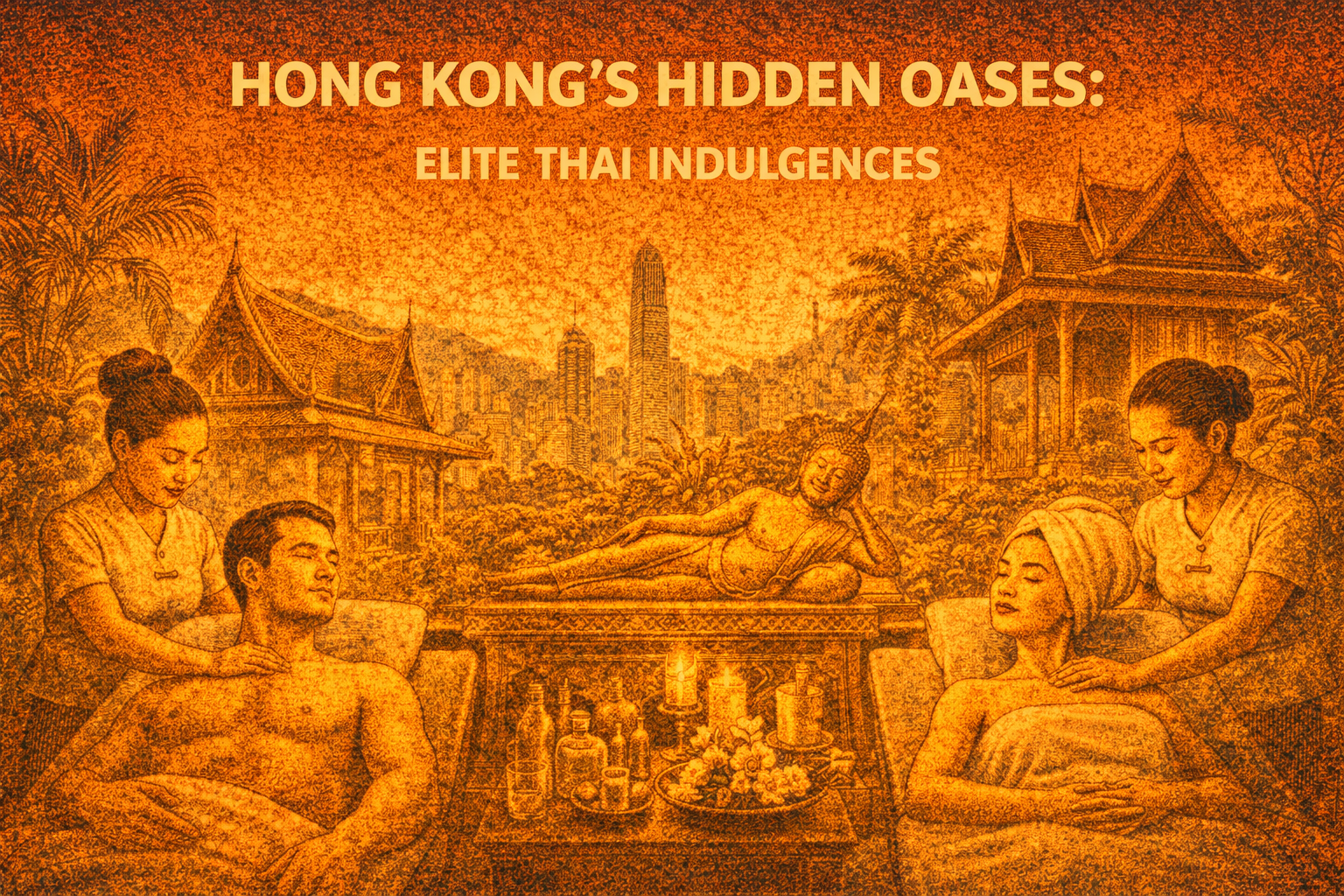

Hong Kong’s Hidden Oases: Elite Thai Indulgences
January 4, 2026 – Hong Kong Time (HKT)
As I sit here in House 4, Felix Villas, overlooking the bustling Victoria Harbour at 10:00 AM HKT, the city’s relentless pace reminds me why wellness retreats like massage parlors and spas are essential for survival in this financial hub. Hong Kong’s spa scene is a microcosm of its stratified society: from no-frills foot massage joints in Mong Kok catering to overworked office workers, to opulent sanctuaries in five-star hotels where the elite unwind. In this analysis, I examine the spectrum of these establishments, with a keen focus on Thai massage parlors and spas favored by the upper class. Drawing from direct observations and market trends, I highlight how these venues blend tradition with luxury, while incorporating my own routine of weekly house-call Thai massages. Finally, I propose how such insights could inform Hollywood narratives.
Hong Kong’s massage industry thrives on diversity, reflecting the city’s East-meets-West ethos. At the entry level, street-side parlors in areas like Causeway Bay offer quick 30-minute reflexology sessions for HK$100-200, often in cramped spaces with fluorescent lighting and minimal privacy. These are functional, targeting blue-collar workers and tourists seeking relief from jet lag or shopping fatigue. Mid-tier options, such as chains like Sense of Touch or Sun and Moon, elevate the experience with essential oils and themed rooms, charging HK$500-800 for 60-minute treatments. They appeal to middle-class professionals, incorporating elements like hot stone therapy or aromatherapy to mimic spa luxury without the extravagance.
However, the upper echelons dominate the narrative for those with means. Luxury hotel spas, often perched in skyscrapers, command premiums of HK$1,500-3,000 per session, attracting tycoons, expatriate executives, and celebrities who value discretion and panoramic views. Establishments like The Ritz-Carlton Spa on the 116th floor or The Peninsula Spa embody this, with infinity pools, saunas, and treatments using high-end brands like La Mer. These venues prioritize holistic wellness, integrating fitness centers and nutritional consultations, fostering an environment where business deals might subtly unfold amid steam rooms.
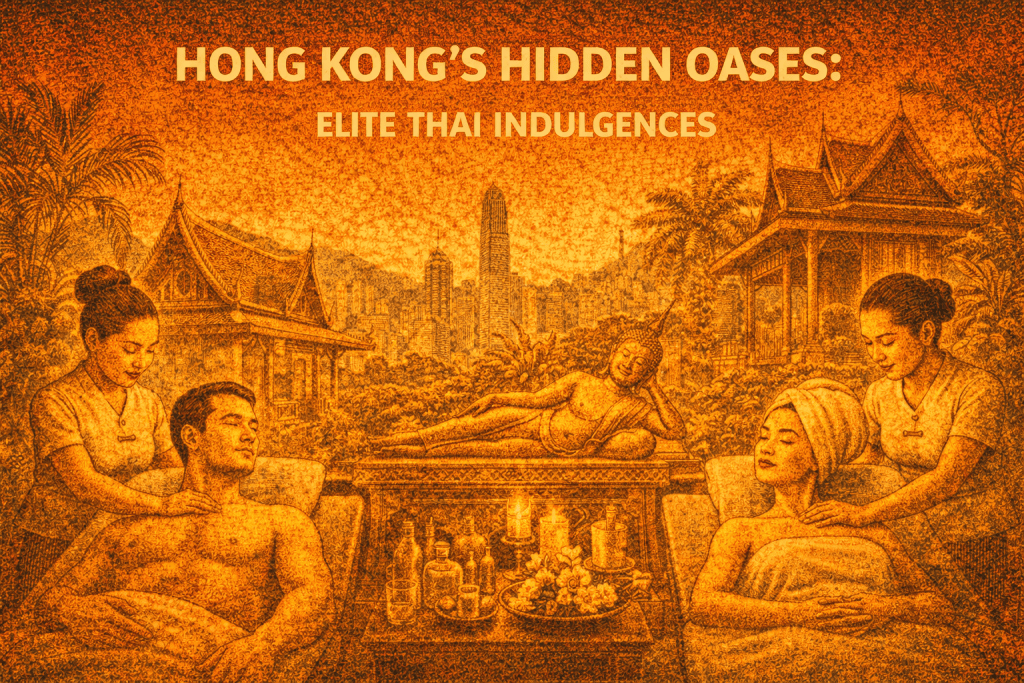
Thai massage parlors and spas, in particular, hold a special allure for the affluent, blending ancient Siamese techniques with modern opulence. Rooted in acupressure, stretching, and herbal compresses, Thai massage emphasizes energy flow—known as “sen” lines—offering deeper therapeutic benefits than Western styles. In Hong Kong, upscale iterations are found in venues like Angsana Spa at Hotel ICON, a Banyan Tree affiliate that infuses Thai traditions with Qi-boosting pressure points and floral scrubs in serene, harbor-view rooms. Priced at HK$1,200-2,000 for 90 minutes, it draws the upper class for its authenticity and privacy, with VIP suites featuring jacuzzis. Similarly, The Mandarin Spa at Mandarin Oriental provides Thai massages incorporating cupping and acupressure, set in 1930s Shanghai-inspired decor that appeals to heritage-conscious elites. Treatments here, starting at HK$1,800, often include Traditional Chinese Medicine elements, creating a fusion that resonates with Hong Kong’s cultural hybridity.
Other notables include THANN Sanctuary in Tsim Sha Tsui and Causeway Bay, where Thai herbal therapies dominate in minimalist, Zen-like spaces. At HK$600-1,200, it’s slightly more accessible but still upscale, frequented by fashion influencers and bankers for its organic rice-based products and precise techniques. The Oriental Spa at The Landmark Mandarin Oriental stands out for its bespoke Thai sessions, using volcanic stones and oils in marble-clad suites, catering to the ultra-wealthy with add-ons like private yoga. These spas are not mere indulgences; they serve as status symbols, where clientele networks in relaxation lounges, underscoring social hierarchies in a city obsessed with face and fortune.
My own engagement with this world is more intimate. I hired a Thai masseuse for weekly house calls, a three-hour ritual costing HK$1,500-2,000, typically involving a hot scrub to exfoliate, followed by oil-based body massage and hot stones to melt tension. Sourced through services like Home Thai Massage & Spa, which offers outcalls to hotels and residences, this arrangement provides unparalleled convenience for busy schedules. The therapist, trained in traditional Wat Pho methods, arrives with portable equipment, transforming my living room into a sanctuary. This personalization—avoiding public spaces—mirrors upper-class preferences for exclusivity, though it lacks the communal amenities of hotel spas. Reviews consistently praise such services for their authenticity and relief, aligning with broader trends where home-based luxury surges post-pandemic.
In conclusion, Hong Kong’s massage landscape reveals economic divides: accessible parlors sustain the masses, while Thai-focused luxury spas reinforce elite enclaves through premium pricing, privacy, and cultural fusion. This stratification highlights wellness as a commodity, where upper-class patrons invest in longevity amid high-stress lives.
These observations lend themselves to Hollywood storytelling in compelling ways. Imagine a thriller where a tycoon’s secret dealings unfold in a Ritz-Carlton steam room, using the spa’s discretion as a plot device for espionage—echoing real-world elite networking. A drama could center on a protagonist’s ascent from Mong Kok parlors to Angsana VIP suites, symbolizing social mobility, with Thai massage sequences revealing character backstories through therapeutic vulnerability. In a romance, house-call sessions like mine could spark forbidden liaisons, exploring themes of intimacy and power imbalances in a neutral, provocative lens. Or a satire mocking the absurdity of HK$3,000 facials, critiquing consumerism without bias. Such narratives would humanize Hong Kong’s opulence, blending cultural authenticity with universal tensions.