Mane Choices: Glamour vs. Grounded Reality in Hong Kong’s Hair Scene
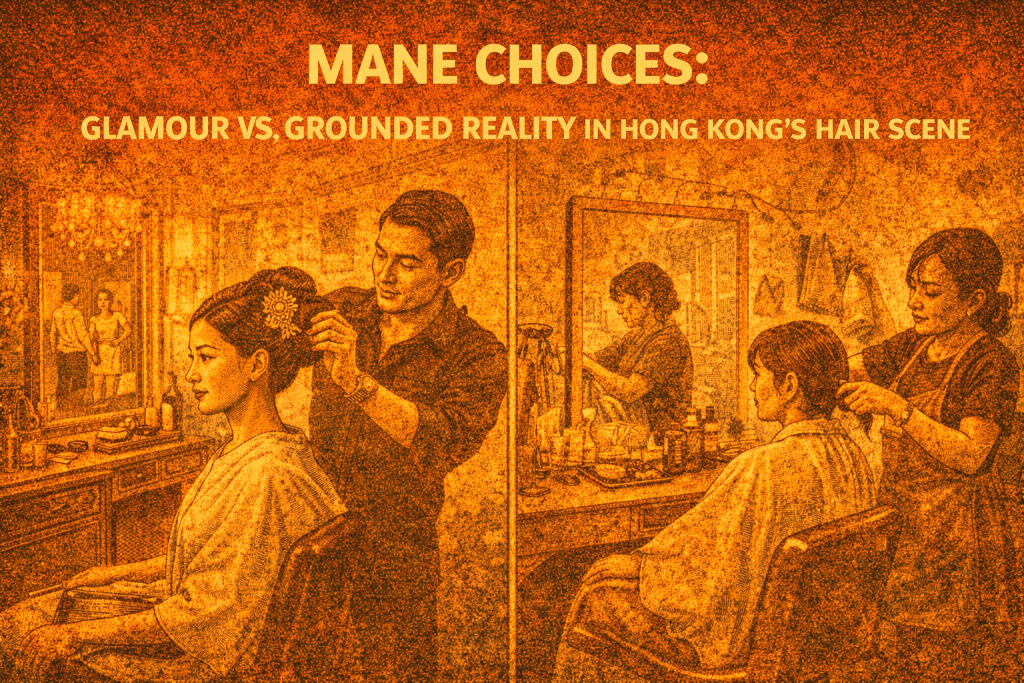
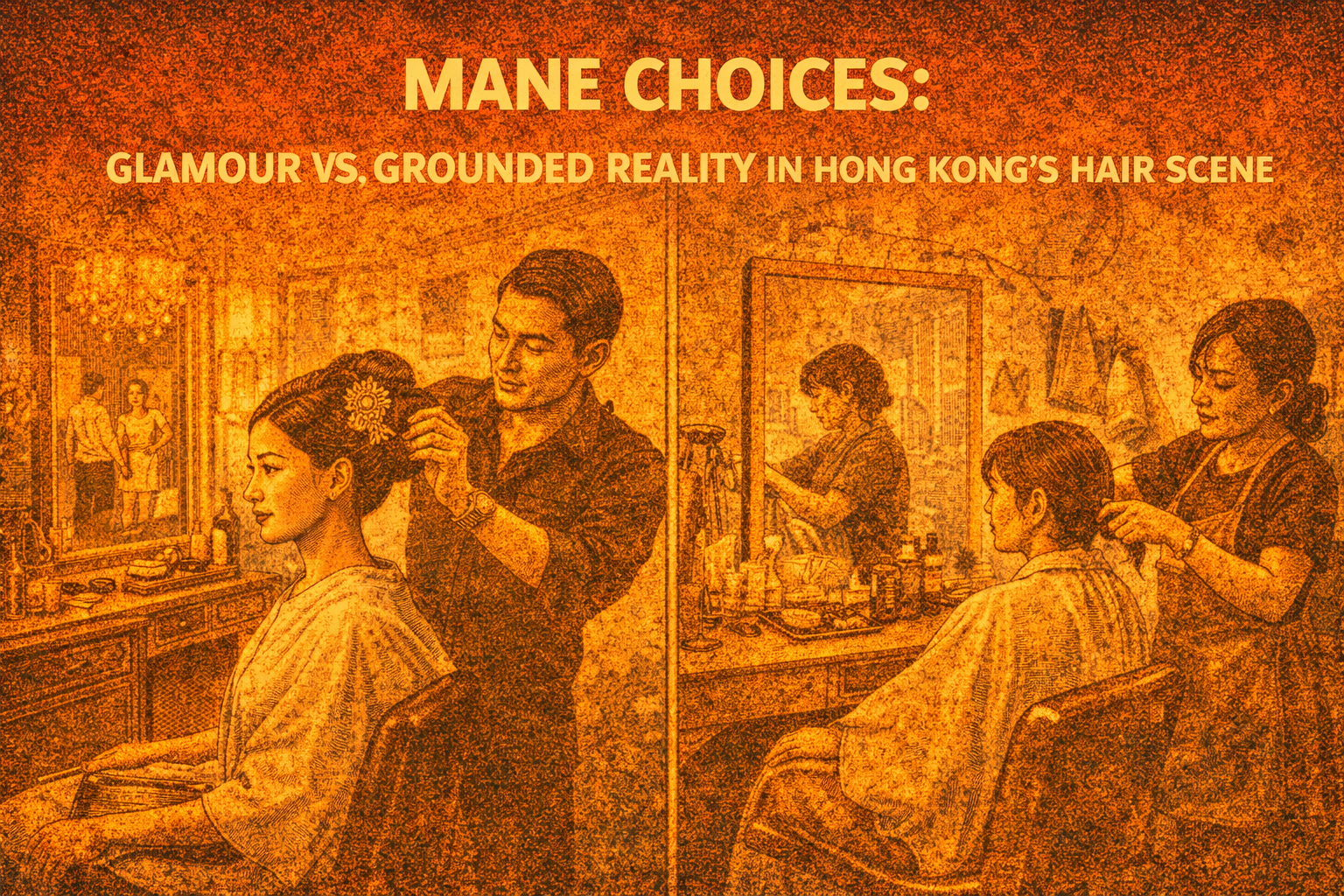
As a long-time resident of Hong Kong, I’ve navigated the city’s diverse hair salon landscape for over a decade. The options mirror the city’s stratified world: ultra-luxury venues in five-star hotels attract international elites and celebrities with premium pricing and red-carpet readiness, while neighborhood spots serve everyday residents with practical, reliable care. My experiences have focused on two contrasting salons—BruneBlonde at the Grand Hyatt in Wan Chai and Kash Hair Salon in Happy Valley—revealing the divide between aspirational extravagance and sustainable routine.
BruneBlonde, on the mezzanine of the Grand Hyatt, represents the apex of luxury hairdressing. Founded in 2013 by French stylists Roland Boutin and David Gouygou, trained in Paris’s elite salons, it embodies Parisian precision. The intimate space features advanced equipment, private VIP rooms with innovative amenities, valet parking, and an in-salon menu of French-inspired dining and wines. It uses exclusive products like Oribe and its own natural line, specializing in advanced coloring, balayage, and extended treatments.
I frequented BruneBlonde for years, attracted by its technical mastery in color and cut. Results were impeccable—nuanced highlights, lasting shine—and the atmosphere provided genuine escape. Yet, costs often exceeded HK$2,000 for director cuts, with full services higher. The formality and expense eventually felt disproportionate for regular maintenance.
This salon evokes Hollywood tales of glamour: the pre-awards transformation where a star emerges camera-ready, confidant amid flashing lights. Boutin and Gouygou’s past clients include figures like Naomi Campbell, Sophie Marceau, and Celine Dion, underscoring how such venues cater to those whose appearance fuels public narrative. The indulgence—champagne, private suites—mirrors cinematic scenes of celebrity pampering before premieres, where hair becomes part of a larger performance.
Kash Hair Salon in Happy Valley offers a counterpoint: a neighborhood establishment partnered with L’Oréal Professionnel, delivering standard cuts, colors, and styling in an unpretentious setting. No hotel perks or gourmet options, but efficient service at mid-range prices suits frequent visits.
I switched to Kash years ago and now rely on it exclusively. Stylists provide consistent, wearable results adapted to Hong Kong’s humidity, with flexible scheduling and convenience. It lacks elite products or extravagance, but reliability meets daily demands without strain.
Kash aligns with quieter Hollywood stories: the character actor or crew member maintaining a professional look off-screen, prioritizing function over flash. No paparazzi await outside; it’s grooming for real life, not the spotlight.
Hong Kong’s broader salon ecosystem amplifies these contrasts. Luxury outlets like BruneBlonde join peers such as the now-closed kimrobinson (once favored by Princess Diana, Kate Moss, and Anita Mui), Il Colpo (patronized by Tony Leung and Miriam Yeung), or The Mandarin Salon (serving multigenerational elites). These attract high-profile patrons with imported expertise and prestige, evoking blockbuster arcs of rise to fame, where impeccable styling signals status and opportunity.
Neighborhood salons like Kash parallel indie film narratives: authentic, relatable tales of ordinary lives. They serve the majority navigating pollution, humidity, and hectic schedules, emphasizing accessibility over aura.
Objectively, superiority lies in context. Luxury excels in innovation and experience but risks unsustainability, much like a film’s lavish production that dazzles yet exhausts resources. Local options deliver value and consistency, akin to a well-crafted story that endures through substance.
My shift to Kash reflects pragmatic growth: satisfactory results at viable frequency. Yet, conclusions lend themselves to dramatic retellings. One Hollywood script might glorify the luxury phase—jet-set indulgence, brushes with fame, the thrill of perfection. Another could dramatize the return to roots: rejecting superficiality for authenticity, finding contentment in the everyday. A third might blend both, portraying hybrid lives—occasional splendor for milestones, routine reliability otherwise.
In truth, Hong Kong’s salons accommodate varied realities, from red-carpet fantasies to grounded routines. My preference for Kash prioritizes the latter, but the city’s diversity ensures space for multiple stories.