Sacred Topography: A Preliminary Comparative Analysis of Meiji Jingu and Man Mo Temple.
The air is still, yet the spirit remains restless. Welcome to Monday’s Spiritual transmission.
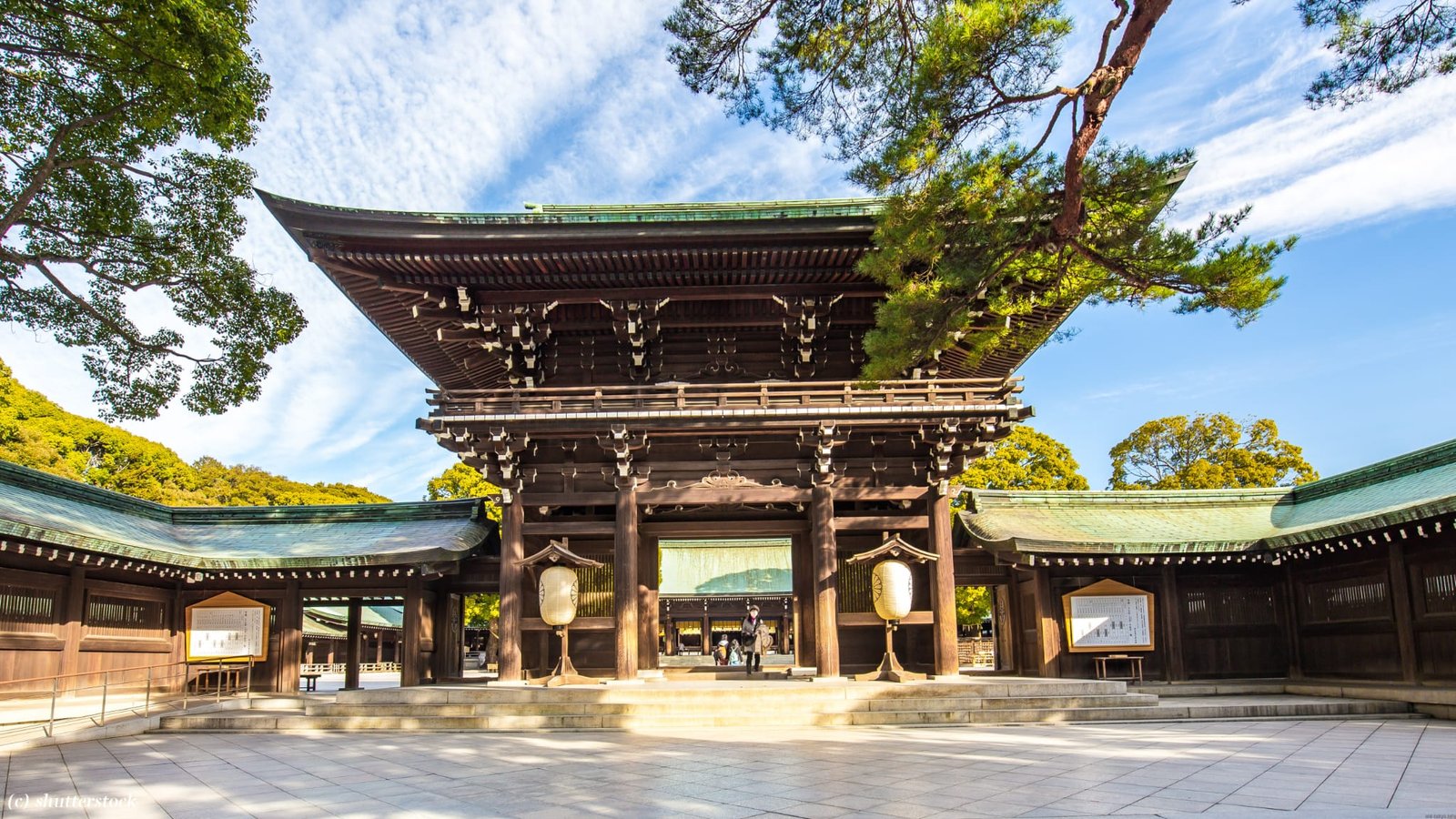
It is Monday, the 13th of July 2026. Following our deep immersion into the exclusive rooms of the Shinbashi floating world, we return to the structural alignment of sacred spaces. As an independent entertainment executive navigating the cross-border networks of Hong Kong and Tokyo, understanding the hidden geometry of regional sanctuaries is vital for cultural literacy and professional poise. Today, I wish to share a comparative layout: juxtaposing Tokyo’s majestic Meiji Jingu (明治神宮) against Hong Kong’s historic Man Mo Temple (文武廟).
While both function as massive, working urban sanctuaries where a seeker can briefly petition the gods for advice through omikuji (おみくじ) or cim1 (籤), they diverge profoundly in their underlying mechanics, architectural philosophy, and ritual cadence. Please remember that this entry is explicitly designed to act as a preliminary introduction to this sacred cartography, NOT a proper, dense academic dissertation. It is an executive’s notebook, tracking how these distinct systems cultivate presence and internal focus.
I. Core Philosophy: Immanence vs. Cosmic Order
Spiritually, both sites promote deep reflection and inner calm through their quiet grounds and structured traditions, yet they differ fundamentally in their core beliefs and metaphysical frameworks.
• The Shinto Axis (Meiji Jingu): Shinto shrines center on kami (神) as immanent spirits residing within nature, majestic trees, and specific sacred sites. Spiritual practice here emphasizes absolute ritual purity to maintain a fluid harmony between humans and these natural forces. This approach remains fiercely focused on the present world, seeking immediate blessings for daily life through simple acts that restore balance, entirely free from a structured doctrine of the afterlife or absolute karma. It highlights harmony with the natural world and purity in daily life via simple, external acts like washing hands at the temizuya (手水舍 / purification basin).
• The Syncretic Axis (Man Mo Temple): Chinese folk temples, dedicated to civil and martial gods, draw from an entirely different pantheon of deified historical figures representing wisdom, literature, protection, and military strength, seamlessly blended with Buddhist elements such as moral causation, jan1 gwo2 (因果 / karma), and rebirth. Spiritual engagement involves petitioning these specific named deities for guidance on ethical conduct, career success, or safeguarding, reflecting a more hierarchical view of divine intervention tied directly to personal virtue and a complex cosmic order. The focus leans heavily toward understanding impermanence and reducing suffering through practices such as chanting or contemplating deep textual teachings.
II. Architectural Layout: Forest Openness vs. Guiding Halls
The spatial engineering of each sanctuary directly dictates how a visitor processes their presence within the city. One practical way to explore these differences further is to visit each during a quiet morning and note how the immediate surroundings affect your internal cadence.
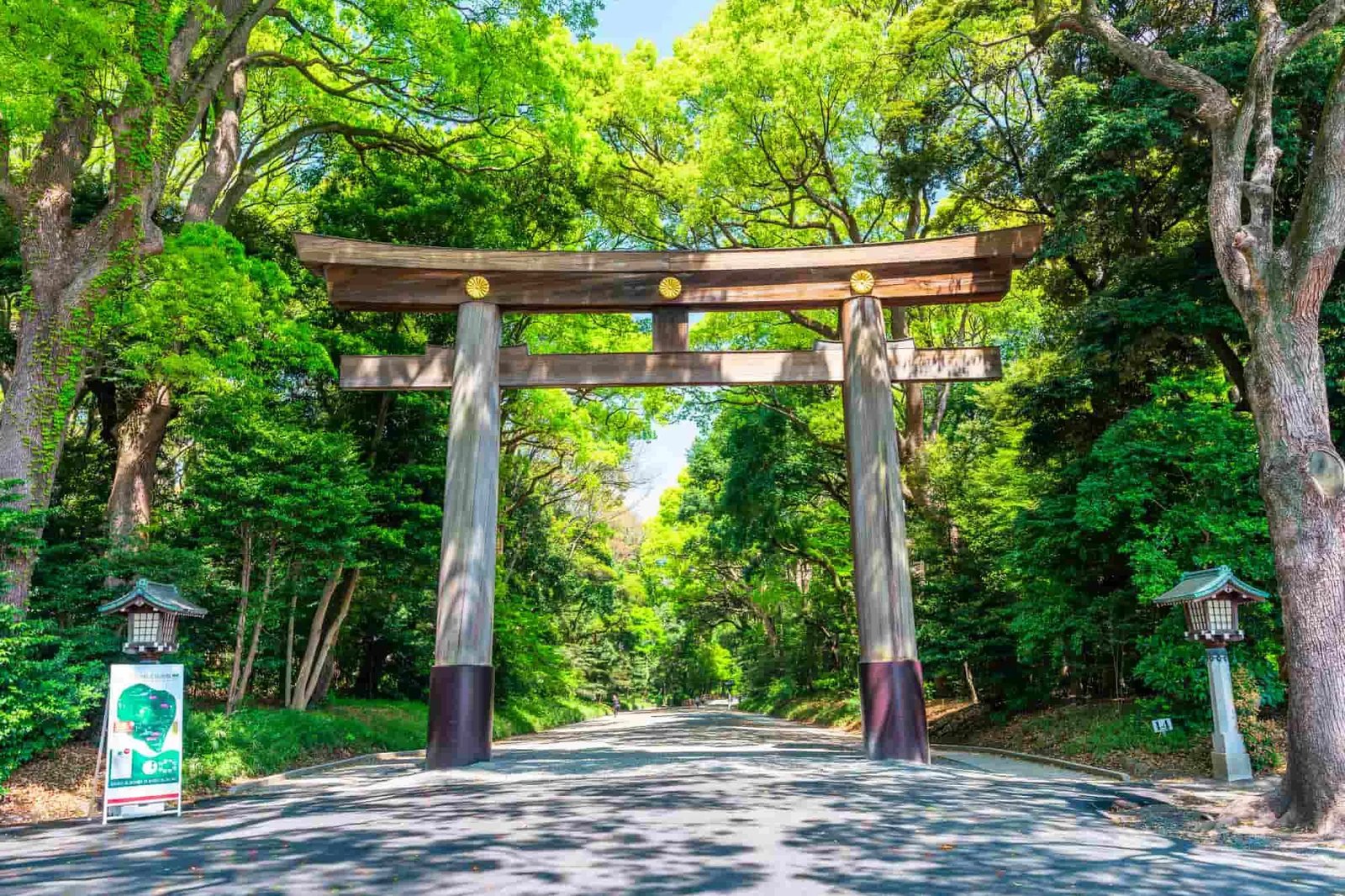
• Meiji Jingu’s Landscape: Architecturally, Meiji Jingu uses massive raw wood structures—such as the iconic torii (鳥居) gates—and expansive open spaces to seamlessly connect visitors with the surrounding forest setting. The vastness forces an executive to slow down her gait, taking long, intentional steps through the gravel paths to strip away urban noise before reaching the inner sanctum.
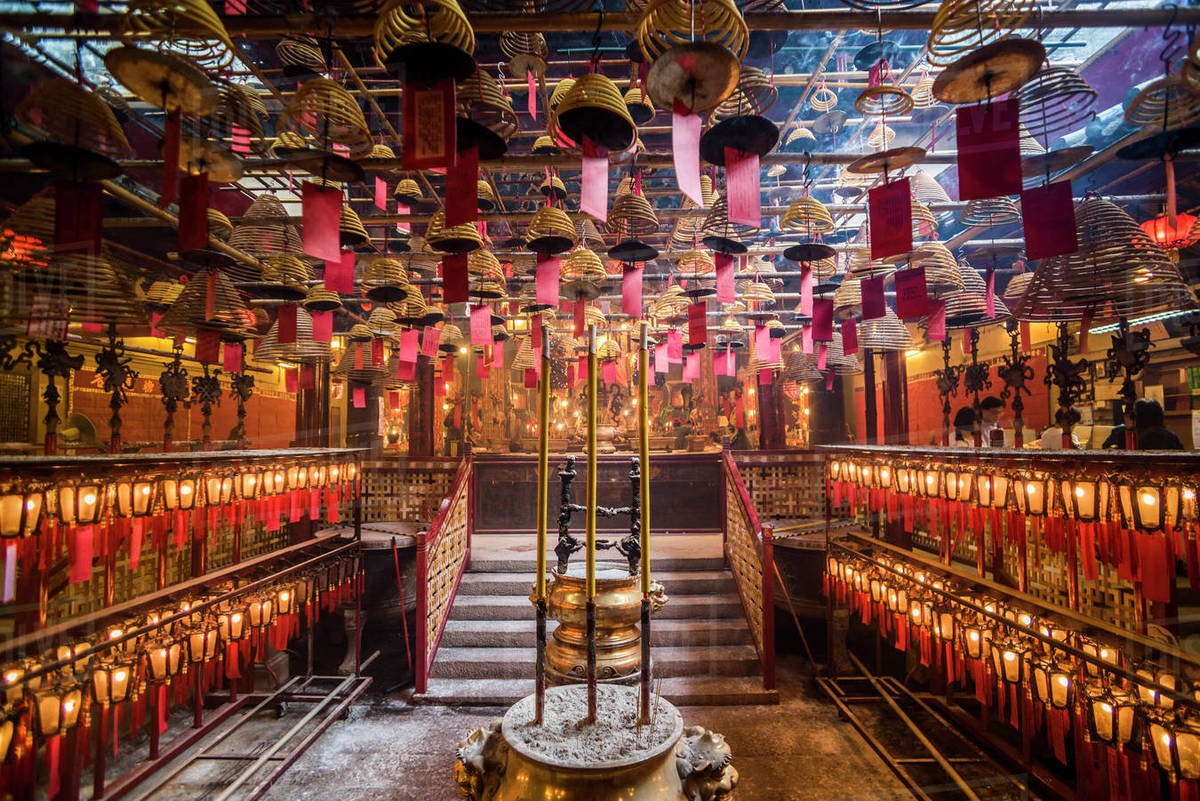
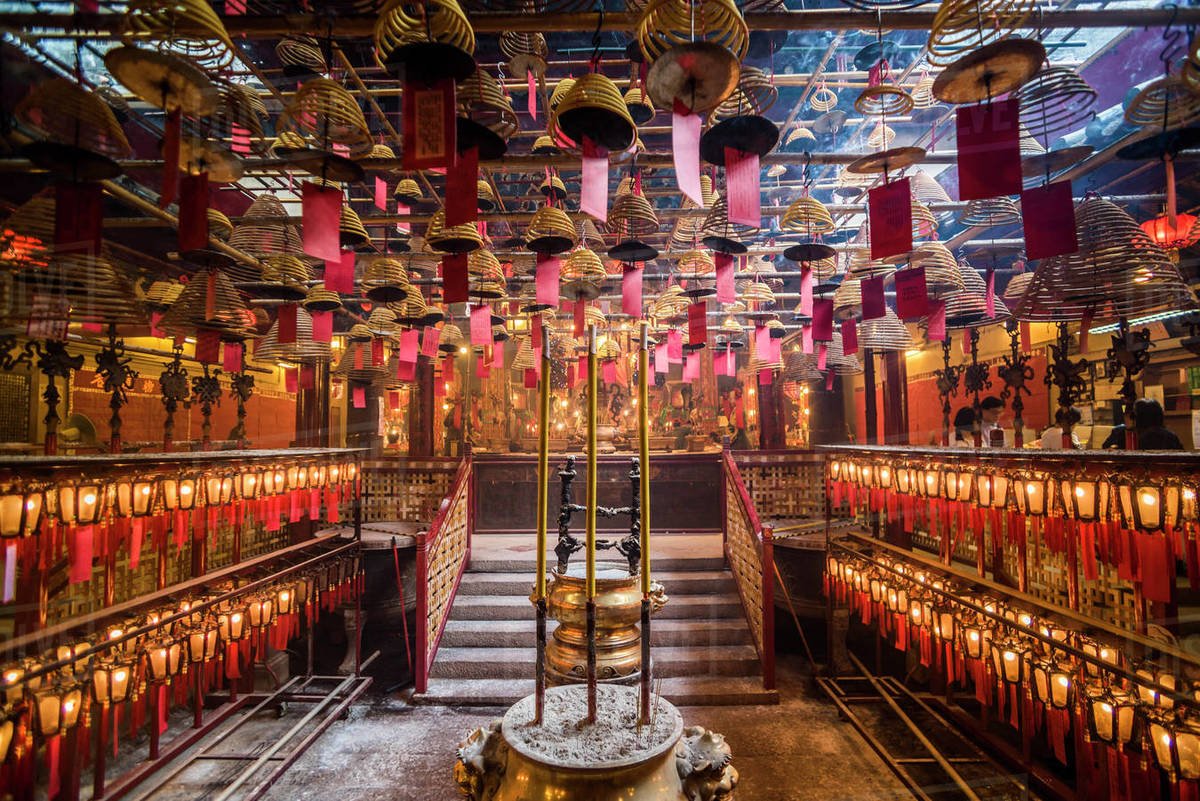
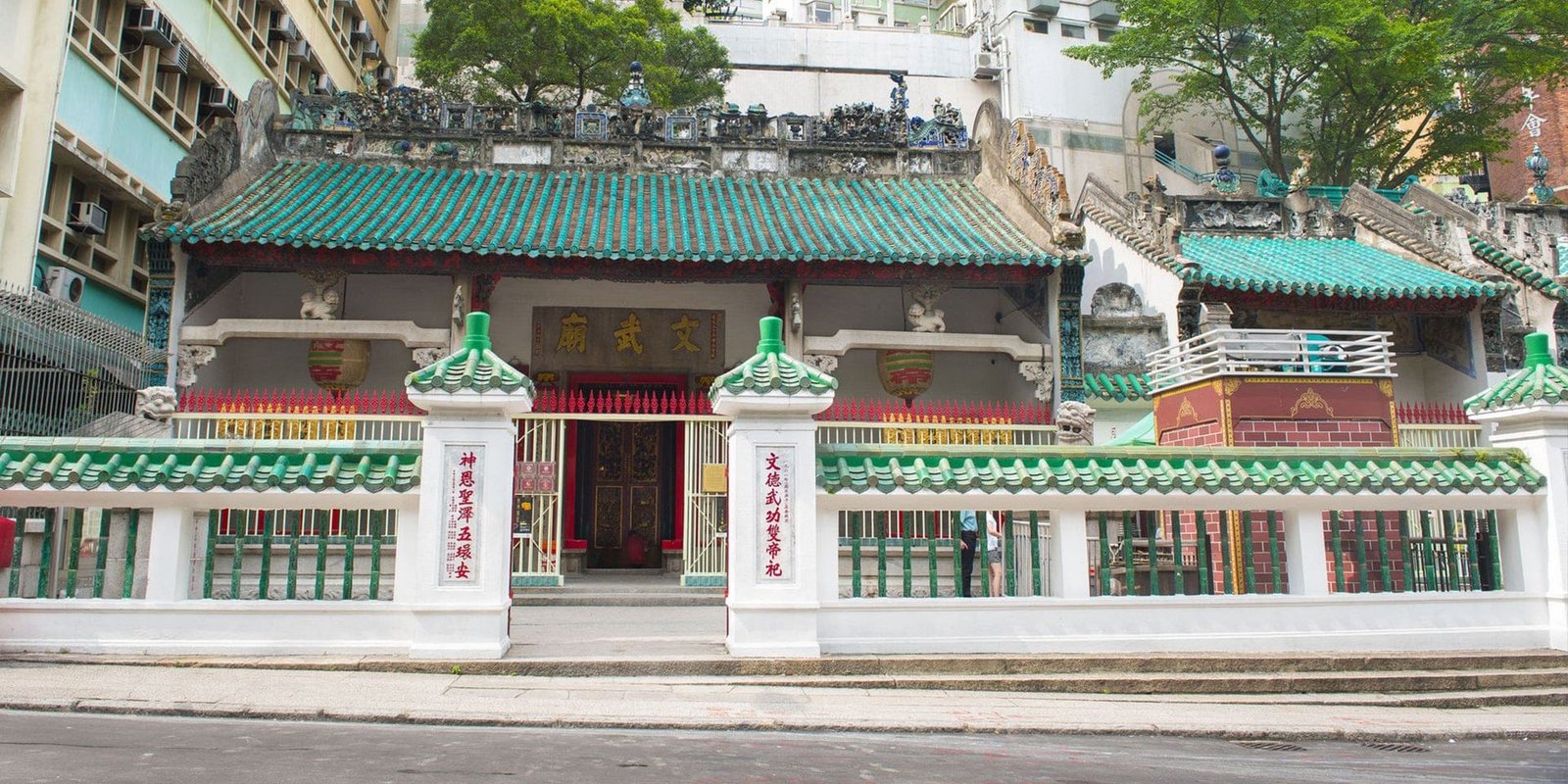
• Man Mo Temple’s Landscape: Conversely, Man Mo Temple features dense, compact interior halls, intricate gold-leaf carvings, and prominent statues that guide thoughts toward specific Buddhist and folk concepts. The space is heavy, atmospheric, and highly concentrated, utilizing towering spirals of hanging incense that create a dense canopy of smoke, focusing the mind inward rather than outward toward the natural environment. One can easily observe these distinctions by noting the types of offerings and prayers directed at natural features versus named, sculpted deities.
III. Ritual Mechanics: Purification vs. Combustion
The daily practices and visitor participation highlight a distinct separation between external cleansing at shrines versus deity-specific petitions and combustion-based offerings at temples. Attending a standard morning visit to each reveals a completely separate sequence of actions performed by both staff and participants.
The Shinto Cadence (Meiji Jingu)
Meiji Jingu follows Shinto rituals centered strictly on purification and offerings to kami spirits.
• Daily Rites: Priests conduct daily offerings of food and sake at the altar, while shrine staff continuously maintain the forest grounds, performing quiet, meticulous rites to uphold absolute purity and environmental harmony.
• Visitor Etiquette: For a first-time visitor, begin by purifying your hands and mouth at the water basin (temizuya). Approach the main hall, toss a coin into the box, bow deeply twice, clap your hands crisply twice to alert the spirits, and bow once more while keeping your movements entirely calm, quiet, and deliberate. Visitors may also write their petitions on wood plaques to tie on designated racks.
The Folk-Buddhist Cadence (Man Mo Temple)
Man Mo Temple emphasizes structured rituals designed to confront impermanence, clear personal attachments, and secure worldly protections.
• Daily Rites: Monks follow strict, structured routines of chanting sutras, study, prostrations, and temple upkeep to support enlightenment and deliver vital community services.
• Visitor Etiquette: Light traditional incense sticks before the deity statues, offer a reverent bow or complete prostration, and place simple items such as fresh fruit or other specific items as offerings on the altars. It is crucial to avoid loud actions or direct contact with sacred objects unless explicitly guided by temple staff.
IV. Redefining the Step
Ultimately, analyzing these two institutions side by side reveals that Meiji Jingu stresses an external, clean connection to our physical environment, while Man Mo Temple directs an intense, inward contemplation through moral teachings and ancestral virtue.
As an independent producer, experiencing both systems during my travels has reinforced my current commitment to financial literacy and systematic personal governance. Whether standing under the open sky of a Shinto forest or navigating the incense-laden air of a Hong Kong temple, the executive lesson remains identical: we must execute our actions one precise step at a time, navigating our constraints as deftly as possible.
Reviewing basic etiquette notes ahead of time allows us to focus entirely on quiet, high-value observation during the visit itself. We are learning from the masters of both traditions, ensuring our internal geometry remains unassailable as we build our creative empire.
The fire within me burns steady, honoring the sacred architecture of the world.
Until the wind shifts again.
— Zephyr Chan