
The Digital Mirage: AI Fallacies and Psychological Pedestals at ‘Sailor Moon Shining Moon Tokyo’.
The air is still, yet the spirit remains restless. Welcome to Wednesday’s Personal Opinion-Editorial.
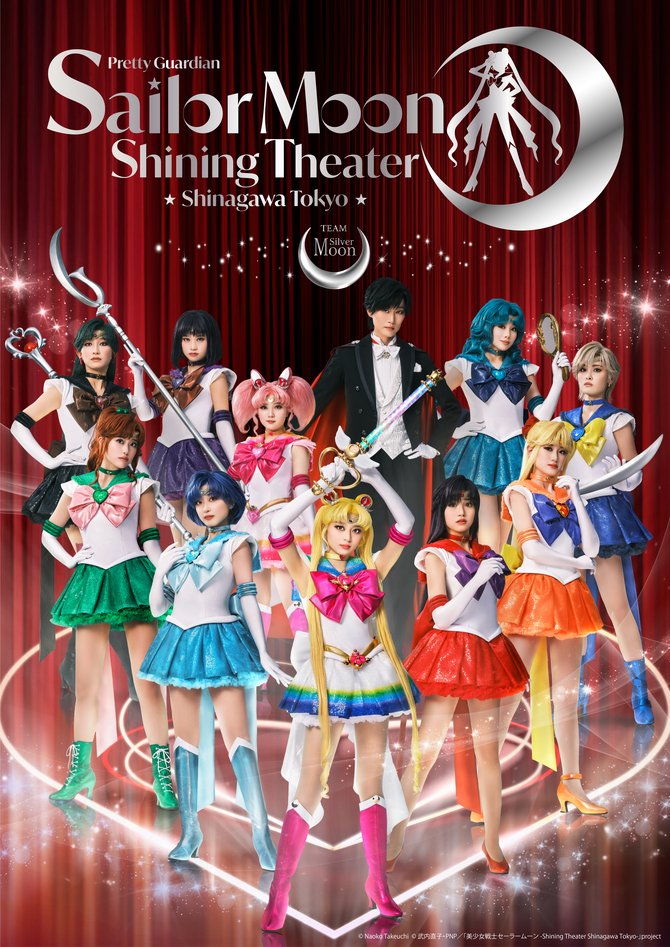
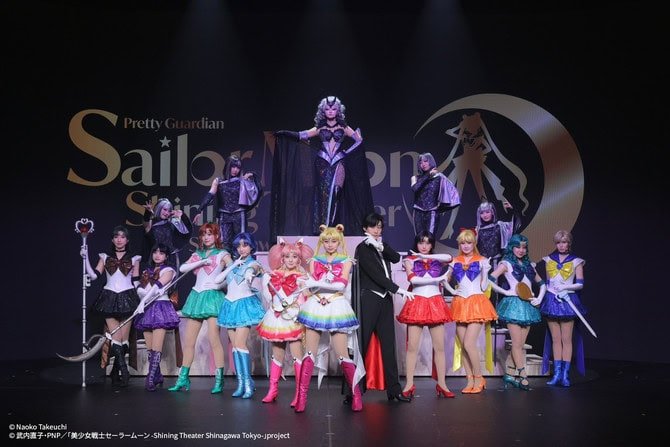
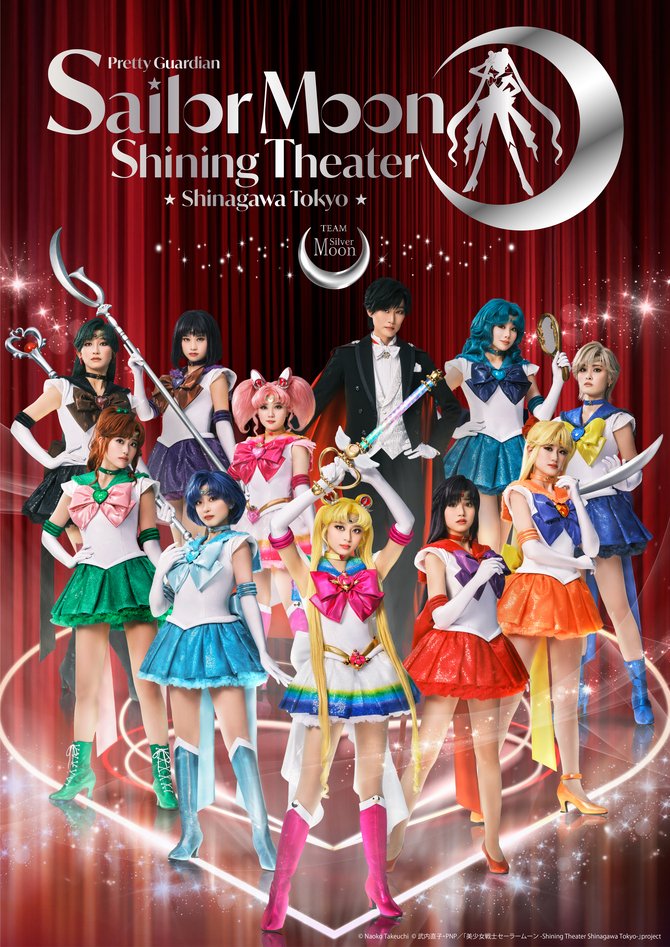
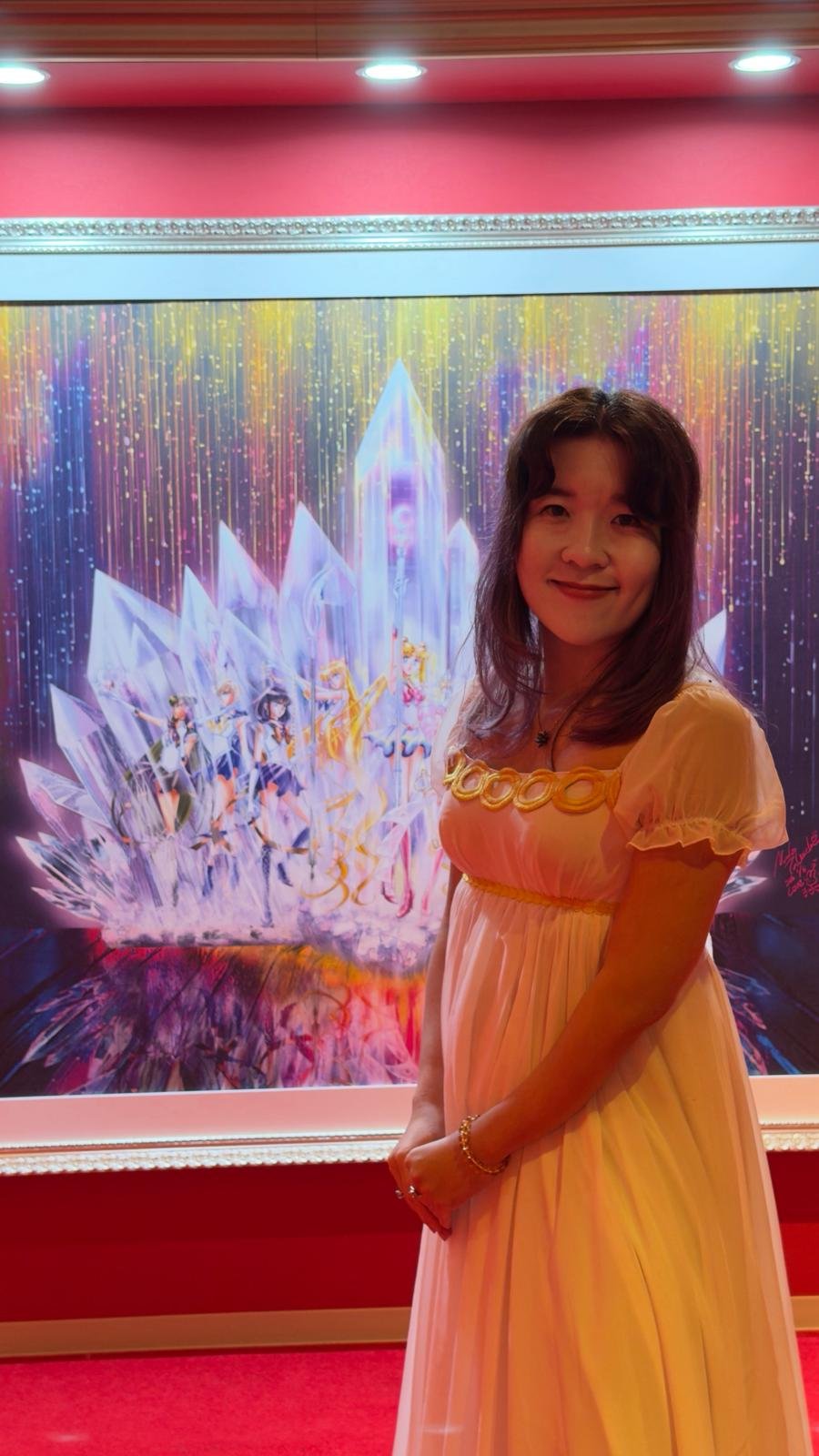
It is Wednesday, the 8th of July 2026. Transmitting from my post-travel matrix, I find myself reflecting deeply on the final hours of my Tokyo cultural immersion. To protect the sanctity of my operations and preserve a necessary executive mystique, this entry will remain entirely clear of specific personal names within my circle. Tonight, I am dissecting my experience at the evening showing on Tuesday, the 30th of June, of Sailor Moon Shining Moon Tokyo at the Shinagawa Prince Hotel’s Shining Moon Tokyo Theatre.
From a producer’s perspective, analyzing a permanent, immersive live-entertainment model based on a titanic global intellectual property is highly educational. Yet, beyond the commercial mechanics of the stagecraft, it was the thematic script that truly arrested my attention. The narrative layout proved to be remarkably timely, acting as a mirror that forced an immediate, profound psychological reflection.
The Anatomy of the Narrative
The plot of this particular staging modernizes the classic mythology with sharp contemporary relevance, restructuring the timeline of the conflict to deliver a direct thematic impact:
• The Entrance: The production wastes no time building its unique world, opening with the characters directly stumbling upon a mysterious, specialized AI shop.
• The Core Conflict: This discovery sparks the central narrative engine—Usagi finding herself deeply dissatisfied with her core network and her boyfriend, Mamoru. Following a tense argument with her friends, her frustration peaks when Mamoru shifts his protective focus to Chibiusa.
• The Digital Mirage: In her emotional isolation, she embraces the synthetic capabilities of the shop, which manufactures flawless, AI-generated versions of her friends and partner. For a transient period, she finds comfort in these hyper-idealized, curated simulations.
• The Awakening: It requires the intervention of her future daughter, Chibiusa, to break the digital spell, prompting Usagi to realize that true love and genuine affinity, “jyun4 fan6” (緣份), belong to the real, imperfect versions of her companions rather than artificial projections.
• The Resolution: She ultimately neutralizes the central antagonist, Queen Valencia, not through conventional kinetic destruction—as Sailor Moon fundamentally operates on a baseline of restoration—but by illuminating a core spiritual truth: that one is inherently worthy of being loved exactly as they are, complete with every human imperfection.
The Fallacy of the Panacea
The integration of artificial intelligence into this legacy narrative is not merely a clever modern update; it serves as a stark warning to our current cultural zeitgeist. Artificial intelligence is not a panacea. It cannot fix your internal fractures, heal emotional isolation, or manufacture authentic relationships.
On a strict personal level, this production served as a vital psychological checkpoint, reminding me never to project an idealized version of anyone onto anyone else. Forcing a manufactured, perfect template onto a real human being is psychologically unhealthy and fundamentally unfair to all parties involved.
This realization directly dictates my emotional governance moving forward. When I do finally achieve my goal of meeting and collaborating with Lewis Singwah Tan this year, I must maintain an absolute executive baseline. I must see him precisely as he is—faults, human vulnerabilities, and all—without the distortion of a digital pedestal. He navigates his life alongside Julie Chen, an undoubtedly lovely lady, and true professional respect demands recognizing people within their real-world parameters rather than a curated fantasy.
The Execution of the Stage
As a theatrical production, the musical delivery was exceptional. The sonic architecture was beautifully structured; I thoroughly enjoyed the entire musical score, particularly Usagi’s duets with Mamoru, which anchored the emotional stakes of the plot, and the Inner Senshi’s high-velocity anthem regarding their sacred, protective mission.
Surprisingly, outside of the primary pairing of Usagi and Mamoru, my absolute favorite character of the evening was Haruka (Sailor Uranus). The actress executed the role with a masterclass in commanding presence, fluid posture, and unshakeable executive energy, completely capturing the room the moment she stepped into the frame.
An Elite Baseline for the Future
If this permanent show continues its run into next year, I will undoubtedly return to the Shinagawa Prince Hotel. When I do, my personal presentation will be fully locked: I will arrive accompanied by a Luna plushie, a flawless replica of the Moon Chalice, and most importantly, a boyfriend to share the space.
The only parameter requiring immediate, logistical improvement from this outing belongs entirely to myself. During the performance, I accidentally sat on the fabric of my own gown in such a manner that the neckline was pulled tightly forward and downward. This structural mishap stretched the garment out of alignment, inadvertently making my bra entirely visible to the rows sitting directly behind me. It was a reminder that an executive must always maintain absolute physical vigilance over her silhouette, ensuring her wardrobe matches her posture under any setting.
We are taking the lessons of the stage—both creative and personal—and weaving them into a tighter, more disciplined fabric. We accept the imperfect reality of the world while fiercely constructing our own unassailable infrastructure.
The fire within me burns steady, stripping away the illusion to honor the truth.
Until the wind shifts again.
— Zephyr Chan