The Gilded Equinox: Lunar New Year Among Hong Kong’s Elite –
Part 1a
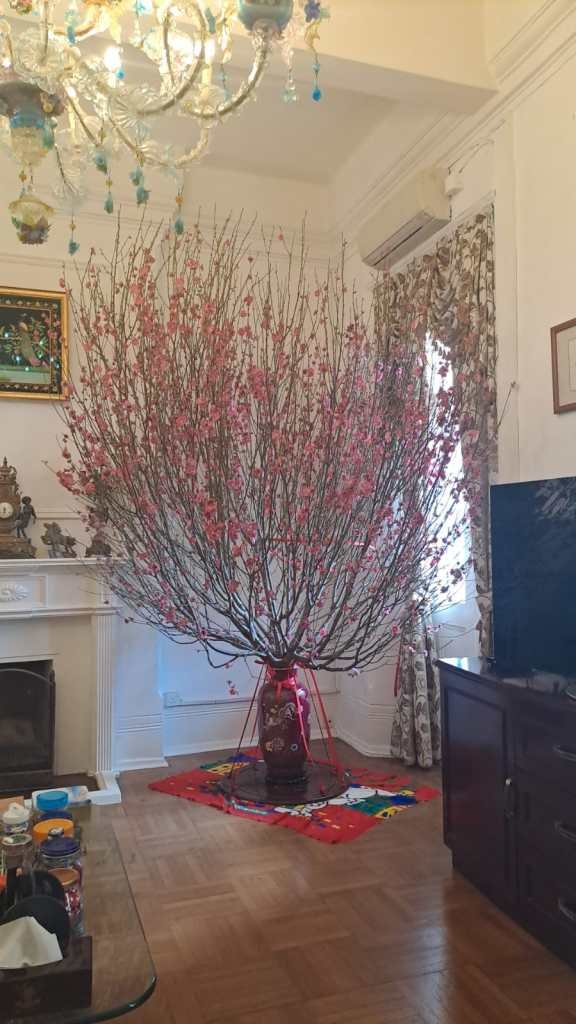
We begin this sociological inquiry on Sunday, the 15th of February, 2026. While the almanac designates tomorrow, Monday, as Nin Saam Sap (New Year’s Eve), the pragmatic logistics of the Hong Kong upper class often dictate that the Tuen Nin Fan (Reunion Dinner) be observed a day early. This is a practical adaptation to modern schedules, allowing family members who have flown in from global financial hubs to settle before the public holiday officially commences. Tonight, therefore, marks the functional closing of the Nung Lik (Agricultural Calendar) for many elite families, including my own observations of the custom. This dinner is the foundational stratum of the festival, acting as a mechanism for lineage consolidation rather than mere festivity.
The Tuen Nin Fan is structurally designed to reinforce the patrilineal hierarchy and the continuity of the clan. In the private dining salons of the Mid-Levels or the exclusive member clubs of Central, the round table becomes the focal point of the evening. This geometric arrangement is not arbitrary; it physically embodies the Tiantai Buddhist concept of Yuen Dun (Perfect and Sudden), representing the non-duality and completeness of the family unit. The circle allows for no hierarchy in seating orientation relative to a head of the table in the Western rectangular sense, yet a rigid hierarchy exists in the proximity to the patriarch. The food served operates as a high-context semiotic system where homophones dictate the menu. You will observe the consumption of Fat Choy (Black Moss) paired with Ho See (Dried Oysters), signaling “good business,” alongside the mandatory Yue (Fish). The refusal to fully consume the fish, leaving a portion remaining, is a physical enactment of Nin Nin Yau Yu (Surplus Every Year), a ritualized banking of karmic and financial capital for the incoming Ma Nin (Year of the Horse).
Hollywood productions attempting to depict the Lunar New Year frequently err by focusing on the external noise of the festival. A more astute filmmaker, inspired by the anthropological reality of the Hong Kong elite, would focus on the internal tension of the Tuen Nin Fan. There is a cinematic quality to the “Aesthetic of Silence” found in these high-net-worth gatherings, where the clinking of porcelain and the mechanical whir of the Lazy Susan replace conversation. This rotating platform serves as a visual metaphor for the Wheel of Dharma, cycling wealth and responsibility from the elder generation to the younger. The drama is often found in the “Empty Chair”—a disruption of the Yuen Dun—signaling an exiled sibling or a fractured relationship, which in the Tiantai view of Yat Nim Saam Chin (Three Thousand Realms in a Single Moment), brings the ghosts of the past directly into the present celebration. Furthermore, the distribution of Lai See (Red Envelopes) offers a study in power dynamics, where the two-handed exchange signifies submission and the maintenance of the family structure.
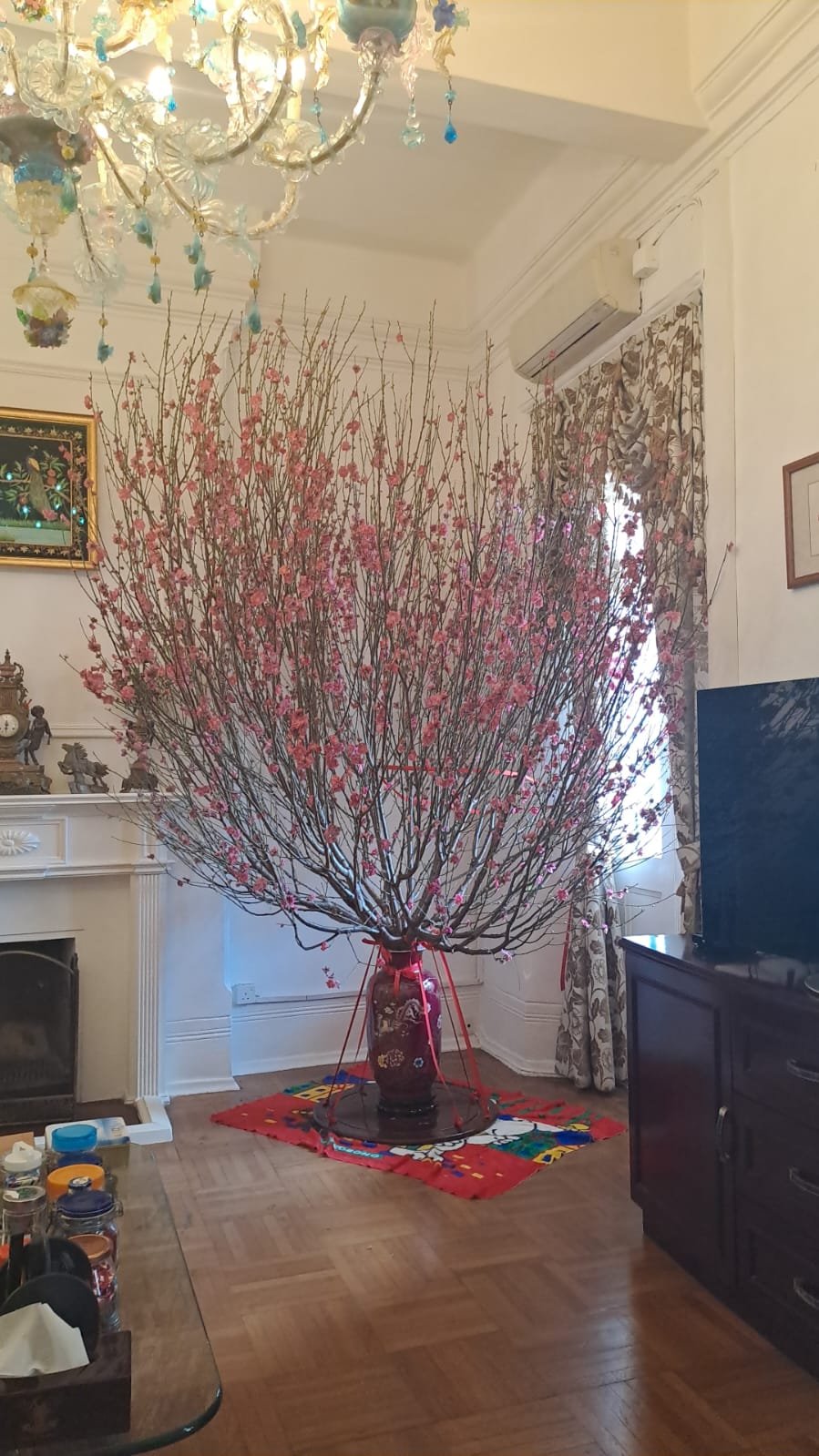
As the Tong Yuen (Sweet Rice Balls) are served to conclude the meal, symbolizing completeness, the family retreats into the private sphere, having secured their spiritual borders. However, the ritual cycle is not yet complete. With the dinner finished, the focus shifts from internal consolidation to external preparation. Tomorrow, on Nin Saam Sap (New Year’s Eve), we will leave the quiet of the dining room for the chaotic, yet strictly codified, aisles of the Victoria Park Flower Market. In our next post, we will examine how the acquisition of specific botanicals like To Fa (Peach Blossom) serves as a public declaration of Fung Shui alignment, and we will analyze the practice of Sau Sui (guarding the year), a vigil of sleeplessness maintained by the younger generation to spiritually extend the
longevity of their elders, bridging the final temporal gap between the departing Snake and the incoming Horse.