The Gilded Equinox: Lunar New Year Among Hong Kong’s Elite
-Part 1b
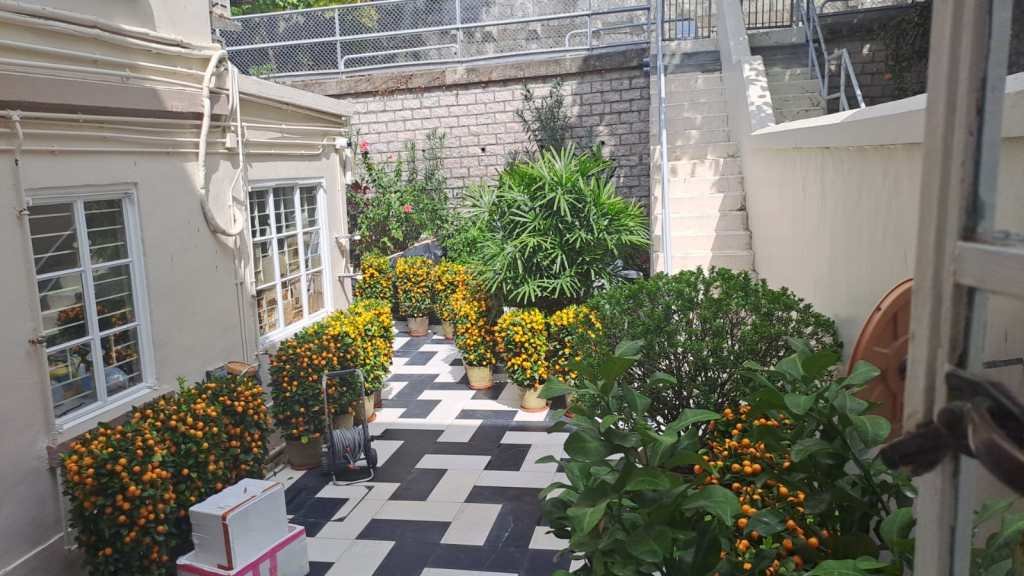
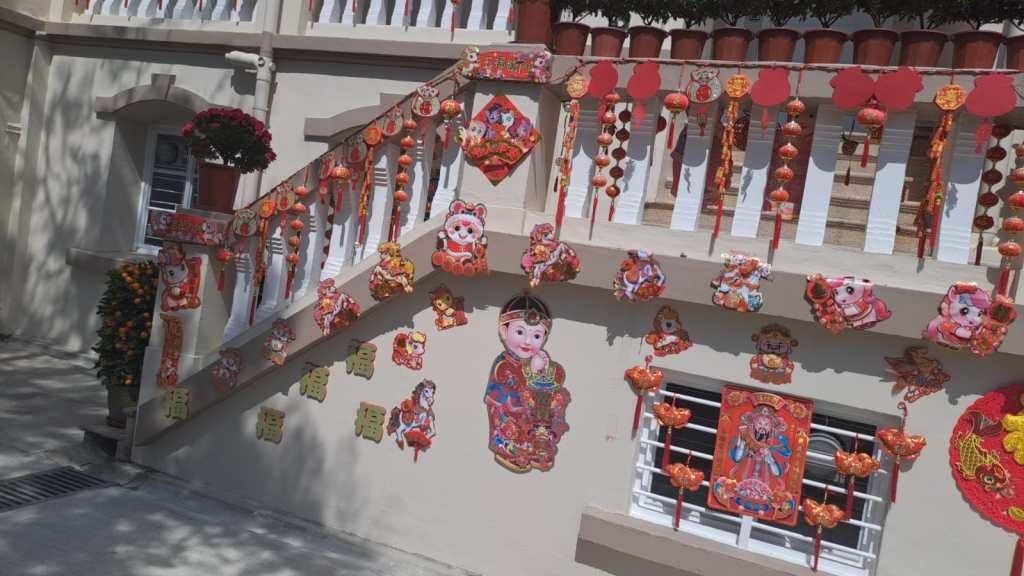
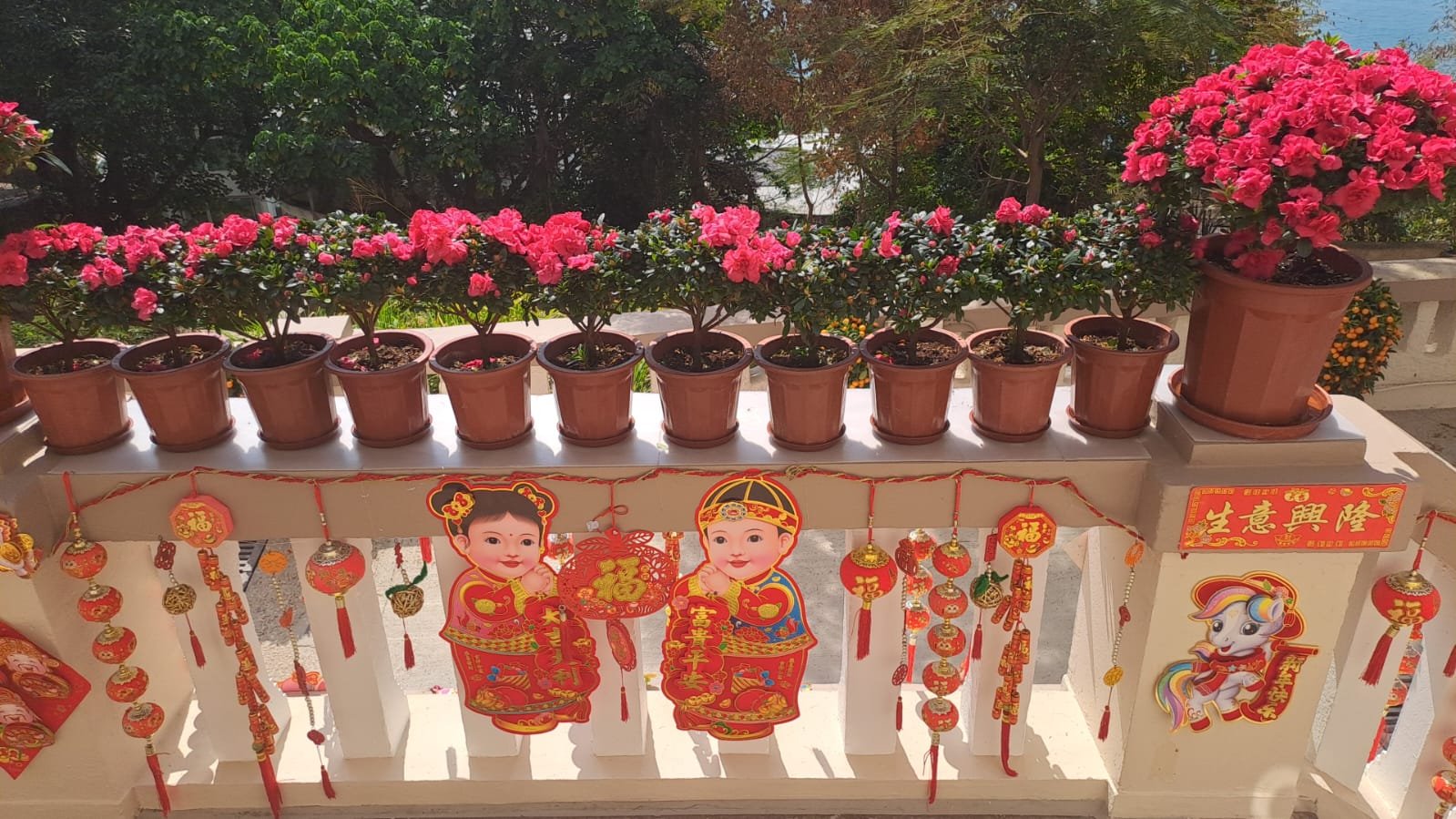
Today is Monday, the 16th of February, marked on the calendar as Nin Saam Sap (New Year’s Eve), the final operational day of the Year of the Snake. If yesterday’s Tuen Nin Fan was characterized by the static geometry of the round table and the consolidation of the family unit, today is defined by kinetic energy and the acquisition of living symbols. We move from the private dining room to the crowded, illuminated corridors of the Fa Hui (Flower Market), specifically the epicenter at Victoria Park. For the Hong Kong elite, this is not merely a shopping excursion; it is a strategic deployment of Fung Shui (Wind and Water) to ensure the flow of Hei (Energy) favors the household for the incoming Ma Nin (Year of the Horse).
While Hollywood productions often utilize the chaotic vibrancy of the Flower Market as a backdrop for a romantic “meet-cute,” a more sophisticated narrative would focus on the logistics of status that underpin the scene. The acquisition of To Fa (Peach Blossom) is paramount, as it activates luck governing both romance and public relations. However, the true visual commentary on wealth is not found in the purchase, but in the transport. A compelling scene would depict the silent, coordinated effort of a chauffeur and domestic staff maneuvering a twelve-foot Peach Blossom tree into the service elevator of a Mid-Levels penthouse. This image highlights how the elite do not simply visit nature; they import it into their hermetically sealed environments to engineer their own luck.
As night falls, the city shifts into the ritual of Sau Sui (Guarding the Year). This practice requires the younger generation to stay awake past midnight, a sacrificial vigil intended to spiritually transfer vitality and longevity to their parents. It is a form of temporal filial piety, where sleep is traded for the elders’ health. In the silence of the home, amidst the scent of fresh blooms and the residual smoke of incense, the atmosphere becomes liminal. The old year has not yet died, and the new year has not yet been born.
It is in this suspended state that the most intimate rituals occur, offering a profound opportunity for character study. At an astrologically auspicious hour tonight—likely during the Zi hour between 11:00 PM and 1:00 AM—I will retreat to the family altar to perform a personal observance that many in this demographic quietly maintain. I will offer incense to Guun Yam (The Bodhisattva of Compassion) and engage in the practice of Kau Chim (seeking lots).
From a directorial perspective, the act of Kau Chim provides a powerful auditory landscape. The rhythmic “clack-clack-clack” of the bamboo sticks against the cylinder becomes the heartbeat of the scene, representing the practitioner’s anxiety and hope. As the stick falls to determine the fortune of one’s family, the visual of a high-powered, rational individual kneeling in bespoke silk, submitting to ancient chance, creates a compelling juxtaposition. It humanizes the elite archetype, demonstrating that despite their financial control, there remains a deep-seated respect for, and fear of, the unknown variables of the coming year.
As the incense ash settles and the Chim offers its cryptic guidance, the vigil of Sau Sui reaches its end. The frenetic energy of the flower markets dissolves into the pre-dawn quiet, and we stand at the threshold of the Ma Nin. Tomorrow, on Chor Yat (Day 1), the narrative shifts from acquisition to preservation. We will investigate the “First Solstice,” a day characterized not by celebration, but by strict avoidance and isolation. Join me as we explore why the elite seal their doors to outsiders, consume only Jai (Vegetarian Food) to cleanse karma, and navigate a complex web of taboos designed to protect the fragile luck of the newborn year within the absolute privacy of the family stronghold.