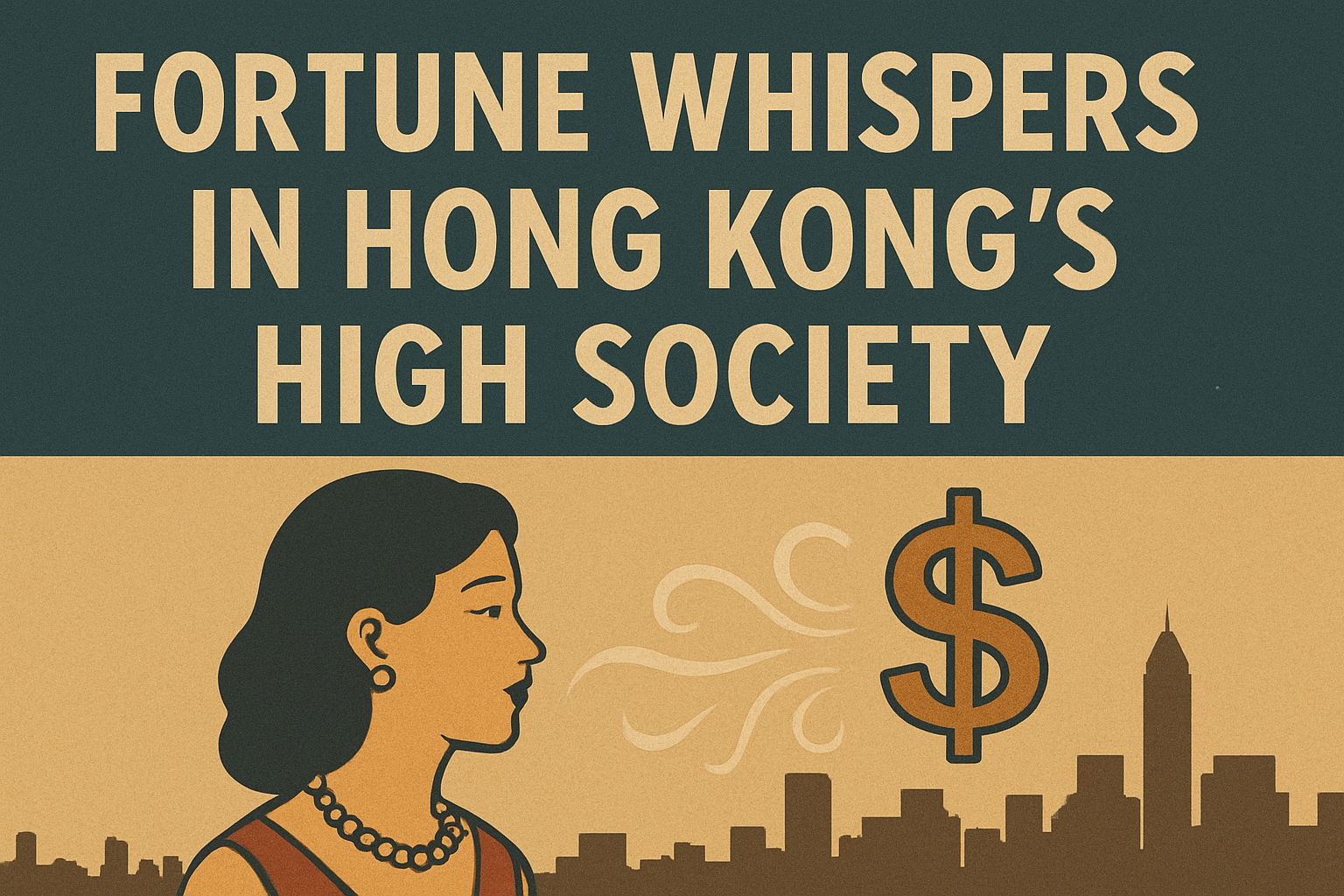
Fortune Whispers in Hong Kong’s High Society
In the glittering skyline of Hong Kong, where skyscrapers pierce the heavens and luxury yachts bob in Victoria Harbour, an ancient ritual thrives among the upper middle and upper classes: syun ming, or fortune-telling. Far from the stereotypical image of shadowy street vendors, this practice is a sophisticated blend of tradition and modernity, embraced by tycoons, executives, and socialites alike. It’s not just superstition; it’s a cultural compass guiding decisions in business, love, and life. Every Lunar New Year, or even mid-year for pivotal moments, many in these circles consult a syun ming si, a fortune-teller, to navigate the uncertainties of a fast-paced world. This isn’t relegated to the masses—it’s woven into the fabric of elite life, often conducted in discreet, upscale settings like private clubs in Central or high-end teahouses in Mid-Levels.
Hong Kong’s affluent turn to syun ming for more than mere entertainment. In a city built on feng shui principles—where building designs incorporate dragon lines and auspicious alignments—fortune-telling offers strategic insights. A banker might seek advice on stock market fluctuations based on their birth chart, analyzed through baat zi (eight characters) or zi mei dow sut (purple star astrology). An entrepreneur could consult on partnership deals, timing mergers with lunar cycles to avoid clashes with tai sui, the Grand Duke Jupiter star that governs annual fortunes. This year, for instance, those born in certain zodiac signs must waan tai sui—appease the deity—to mitigate bad luck, a ritual that’s as routine as annual health check-ups among the well-heeled.
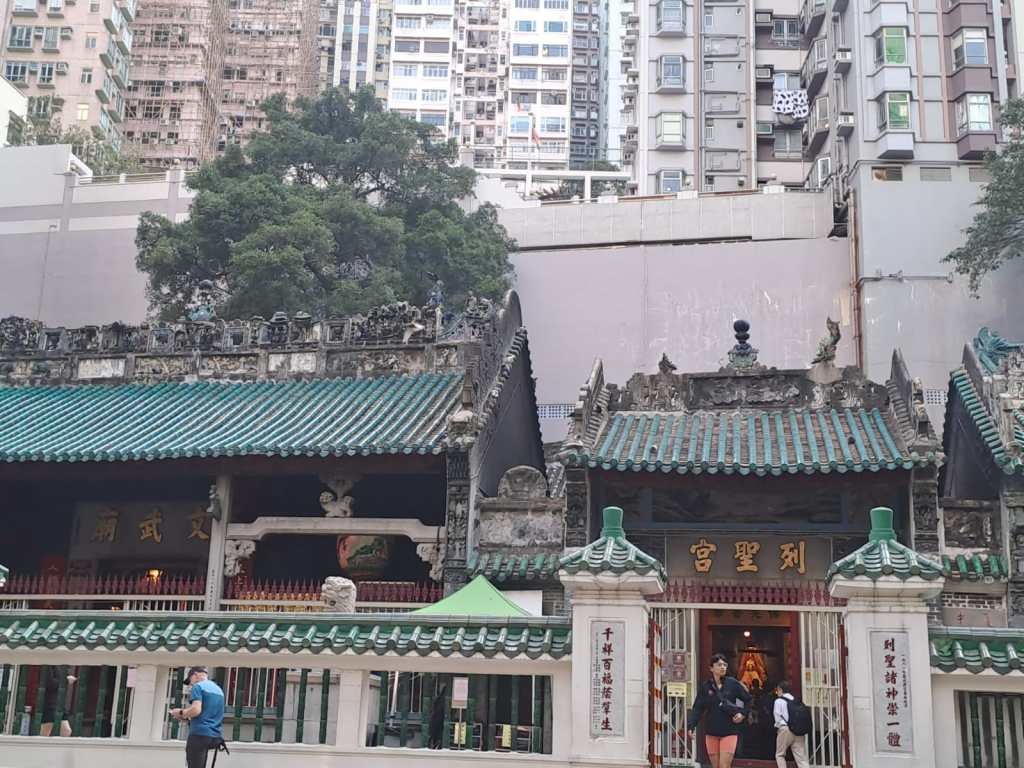
This practice is deeply intertwined with Chinese folk religion, a syncretic mix of Taoism, Confucianism, and Buddhism that permeates Hong Kong life. Temples like the iconic Man Mo Temple in Sheung Wan serve as hubs for these traditions. Dedicated to Man Cheong (god of literature) and Mo Tai (god of war), it’s a place where the elite quietly blend spirituality with ambition. Here, worshippers kau chim—draw fortune sticks—by shaking a bamboo cylinder until a stick falls out, then interpret it with a temple attendant. It’s common to see suited professionals lighting incense, praying for career success or family harmony, their Mercedes parked outside. This folk religion emphasizes harmony with cosmic forces, where ancestors and deities influence daily outcomes, making syun ming a practical extension rather than blind faith.
Buddhist influences add another layer, softening the edges of folk practices with karma and mindfulness. Many upper-class Hong Kongers frequent temples like Po Lin Monastery on Lantau Island, where syun ming consultations might incorporate Buddhist astrology or palm reading infused with dharma teachings. The act of praying at Man Mo Temple often includes Buddhist chants, seeking enlightenment alongside worldly prosperity. It’s a holistic approach: fortune-telling isn’t about fatalism but empowerment, aligning one’s actions with universal energies. In elite circles, this manifests in philanthropy—donating to temples after favorable predictions—or in lifestyle choices, like choosing wedding dates via tung sing (almanac consultation) to ensure marital bliss.
For someone like me, embarking on a fledgling career as a Hollywood cultural consultant, these traditions offer rich fodder for authentic storytelling. Hollywood has long exoticized Asian cultures, but with growing demand for nuanced representation—think films like “Everything Everywhere All at Once”—there’s opportunity to infuse projects with genuine Hong Kong elements. Imagine consulting on a blockbuster where a high-powered executive, played by a star like Michelle Yeoh, visits a syun ming si in a sleek Hong Kong penthouse. The scene could explore her internal conflict: relying on ancient wisdom amid cutthroat corporate intrigue, tying into themes of identity and destiny.
One way to express this in projects is through character arcs rooted in folk religion. In a romantic comedy, a protagonist could kau chim at Man Mo Temple, drawing a stick that predicts love but warns of tai sui conflicts, mirroring real-life upper-class dilemmas. As a consultant, I’d advise on accurate depictions: use Cantonese transliterations like “syun ming” instead of Mandarin pinyin, and show the temple’s incense-filled halls with worshippers in designer attire, blending opulence with spirituality. This avoids stereotypes, highlighting how the affluent integrate these practices seamlessly.
For action thrillers, incorporate waan tai sui rituals as plot devices. A hero, facing career sabotage, performs the appeasement ceremony—burning paper offerings and praying—to “resolve” cosmic bad luck, paralleling my own annual visits. This adds cultural depth, educating audiences on Chinese folk religion’s role in modern life, much like how Buddhism influences mindfulness in Western wellness trends.
In TV series, weave in Buddhist worship elements: a character meditates at a temple after a syun ming reading, contemplating karma while plotting revenge. As a consultant, I’d suggest collaborations with Hong Kong filmmakers to ensure authenticity, perhaps scripting episodes where upper-class families host private syun ming sessions during Lunar New Year galas.
Ultimately, these practices remind us that even in Hong Kong’s elite echelons, humility before the cosmos endures. For my Hollywood journey, championing such narratives could bridge East-West divides, turning personal rituals into global stories that resonate. By spotlighting syun ming’s elegance among the upper classes, we humanize ambition, showing it’s not just about wealth—it’s about wisdom from the stars.