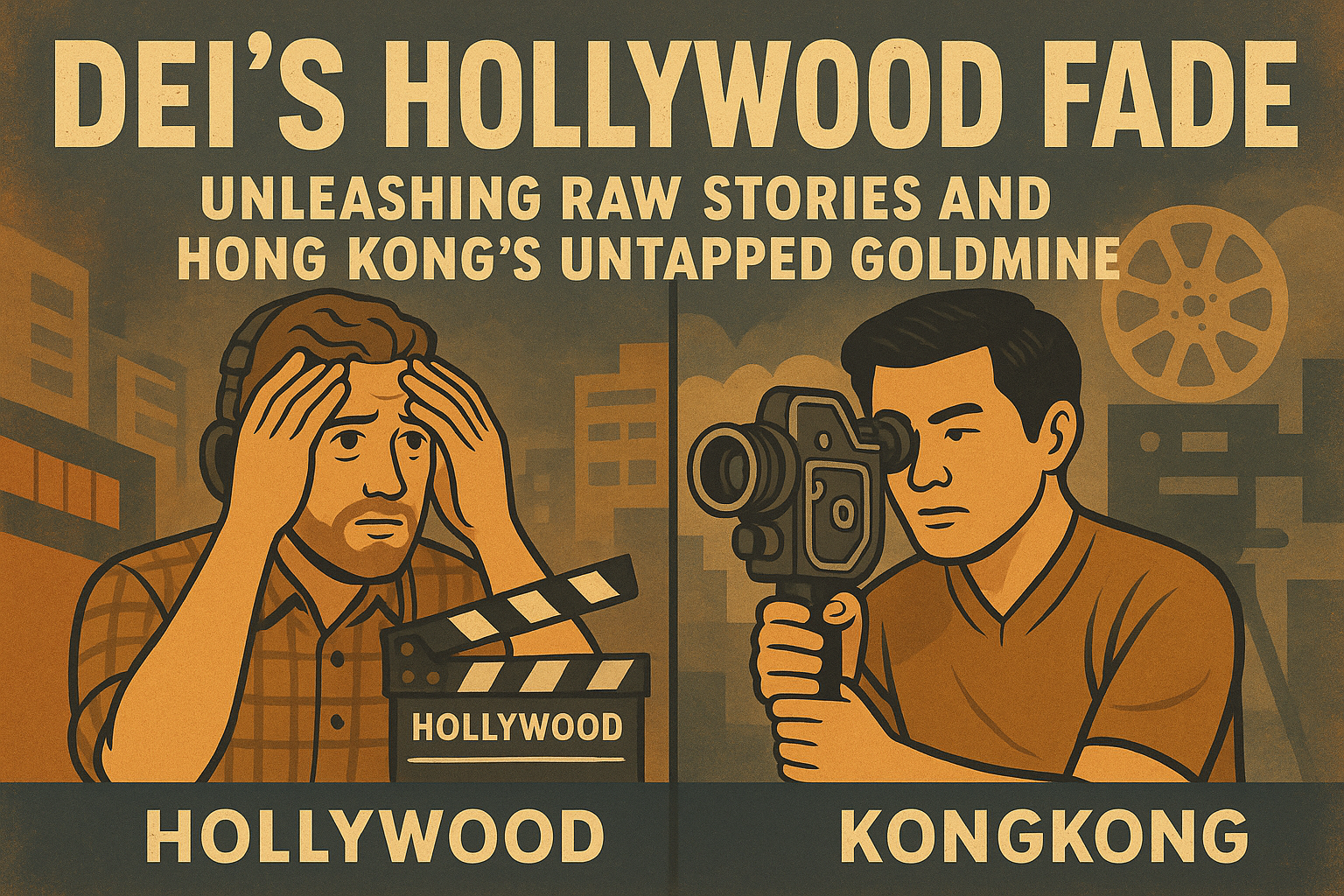

DEI’s Hollywood Fade: Unleashing Raw Stories and Hong Kong’s Untapped Goldmine
Hollywood is choking on its own virtue signaling, and the audience is finally spitting it out. As Diversity, Equity, and Inclusion (DEI) initiatives crumble under backlash and budget cuts, the entertainment industry in the US—and by extension, its ripple effects in Hong Kong—stands at a crossroads. Will this purge lead to more organic, realistic storytelling, free from forced quotas and colorblind casting that actually serves the narrative? And could it open doors for bold projects like biopics of controversial figures such as Lord William Jardine and Sir Robert Hotung, or Hong Kong-flavored remakes of Succession and Sex and the City? Buckle up: the data suggests yes, but only if creators ditch the pandering and chase authenticity. Let’s dissect this without the sugarcoating.
First, DEI’s decline in Hollywood isn’t a rumor—it’s a full-blown retreat. In 2025, major players like Walmart, Lowe’s, and Meta scaled back DEI commitments, echoing a broader corporate trend post-Trump’s influence. In entertainment, high-profile DEI executives have been axed amid layoffs, signaling the end of an era where inclusion felt more like imposition. UCLA’s 2025 Hollywood Diversity Report paints a grim picture: diversity in actors, directors, and writers dipped in 2024’s top films, reversing post-2020 gains. Critics argue this backslide hurts innovation and morale, especially for Black and minority talent. But here’s the provocative truth: forced DEI has often birthed hollow stories, prioritizing checkboxes over character depth. Think recent flops where diverse casts felt shoehorned, alienating viewers who crave relatability over representation quotas. As one analysis bluntly puts it, “DEI isn’t killing Hollywood because diversity is bad—it’s because forced diversity turns art into propaganda.” Objectively, audience demand for diverse content remains high, but it’s organic diversity that wins—stories where ethnicity enhances, not defines, the plot.
Enter colorblind casting: the real game-changer in a post-DEI world. Without mandates, directors could cast based on talent alone, leading to more realistic ensembles. Imagine a world where a Black actor plays a historical white figure not as a “statement,” but because they nail the role—provoking thought without preaching. This shift could revitalize Hollywood, mirroring how classics like Hamilton succeeded by blending history with modern flair. Yet, skeptics warn it might exacerbate underrepresentation if biases persist. Straightforwardly, the evidence from viewer ratings shows households across races prefer quality over quotas; in 2023 streaming films, median ratings were strong for diverse households when stories felt authentic. DEI’s fade might just force creators to earn diversity through merit, yielding grittier, more engaging tales.
Now, pivot to Hong Kong, where the entertainment scene offers a stark contrast—and potential blueprint. Unlike Hollywood’s DEI obsession, HK’s industry thrives on pragmatic growth, projected at a 2.26% CAGR to US$15 billion by 2029, driven by cinema recovery, live music, and ad spending. Box office receipts are set to climb from US$172 million in 2024 to US$210 million by 2029, bolstered by co-productions and AI integration. HK’s focus? Storytelling rooted in its chaotic, multicultural history—think martial arts epics or family sagas minus the forced inclusivity. This authenticity could cross-pollinate with a DEI-weary US market, where Asian content is surging. Netflix data shows Asian films gaining ground, with animation and martial arts drawing white male audiences aged 15-45. Provocatively, HK’s less politicized approach might outpace Hollywood, proving that real diversity emerges from cultural melting pots, not boardroom edicts.
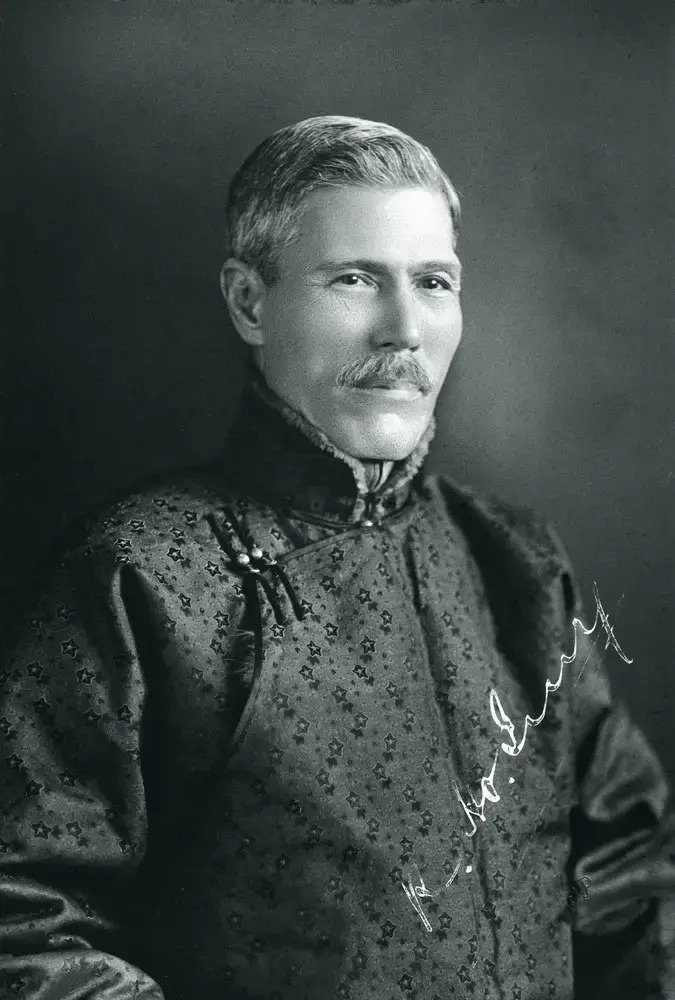
This brings us to untapped gold: biopics of Lord William Jardine and Sir Robert Hotung. Jardine, the Scottish opium trader who built an empire amid China’s turmoil, embodies ruthless ambition—perfect for a provocative narrative exposing colonialism’s dark underbelly. Hotung, the Eurasian tycoon and philanthropist, offers a tale of hybrid identity and success in a divided world. These aren’t sanitized heroes; they’re complex, flawed figures whose stories scream organic diversity. Audience interest in historical biopics is robust, with demand analytics showing a dedicated market for such films, especially in Asia and the US where viewers seek identifiable tastes beyond mainstream fluff. In a post-DEI era, colorblind casting could amplify this—cast an Asian lead as Jardine for irony, or mix ethnicities to mirror Hotung’s heritage. Objectively, global interest in Asian histories is rising, with films like Shogun proving audiences crave nuanced cultural dives. Yes, there’s a large audience here, particularly as US viewers tire of formulaic blockbusters.
Even bolder: HK reimaginings of Succession and Sex and the City. Picture Succession in HK’s cutthroat tycoon world—think Li Ka-shing’s family empire, with skyscrapers, scandals, and succession wars amid Beijing’s shadow. Or Sex and the City recast in Lan Kwai Fong’s neon glamour: four ambitious women navigating love, luxury, and cultural clashes in Asia’s financial hub. Asia has a track record of successfully adapting US formats; K-dramas like The World of the Married (from Doctor Foster) and Criminal Minds remake thrived by infusing local flavor. These HK versions could tap a massive crossover audience, blending American tropes with authentic Cantonese grit. Provocatively, they’d expose how DEI’s US focus ignored global narratives—HK’s organic multiculturalism trumps forced inclusion every time. With Asian stories taking center stage globally, success seems inevitable.
In sum, DEI’s exit could rebirth Hollywood with raw, colorblind tales, while HK’s rising scene amplifies the opportunity. Projects like Jardine and Hotung biopics or HK remakes aren’t niche—they’re primed for a hungry audience seeking substance over sermons. The industry must seize this, or risk irrelevance.