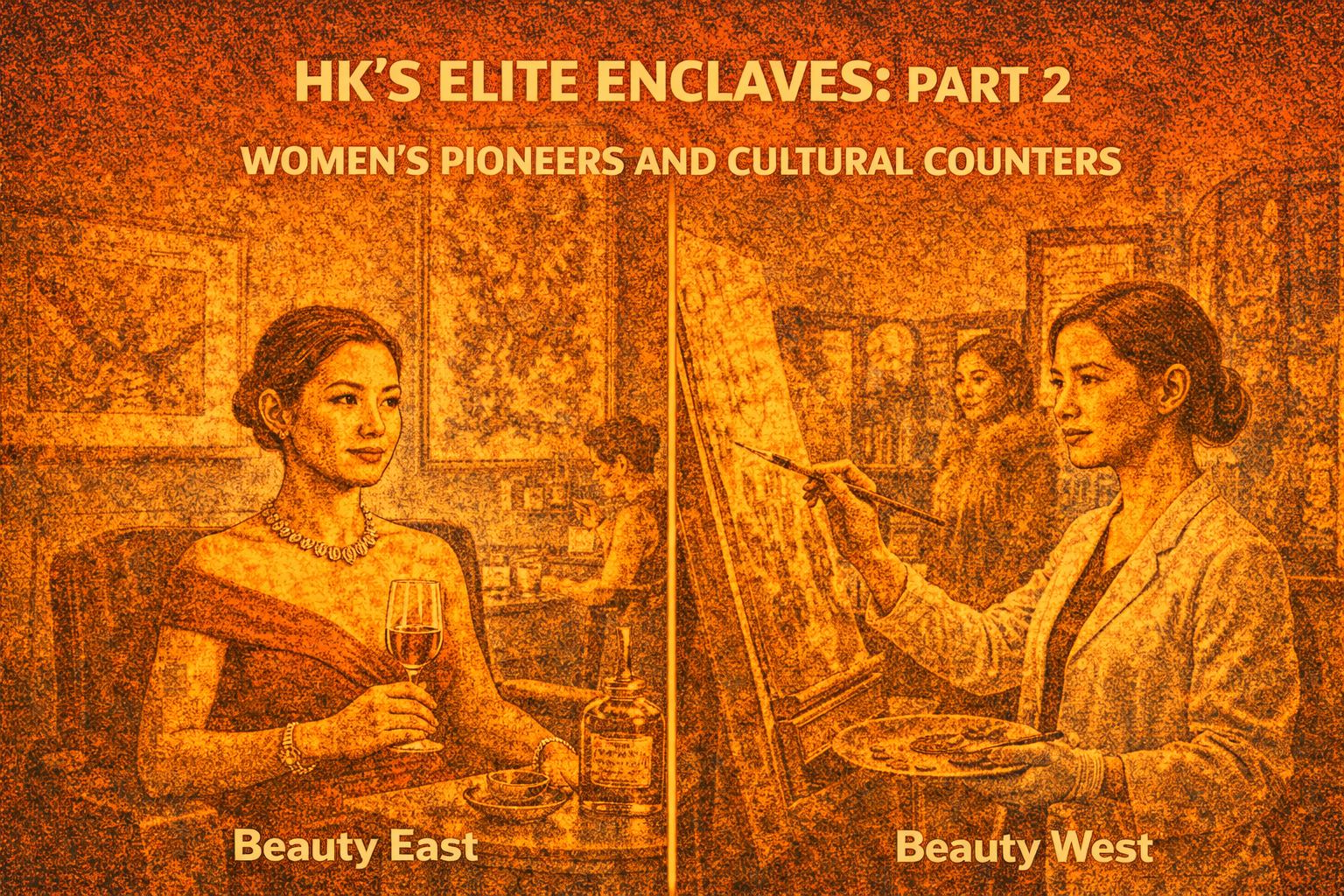
HK’s Elite Enclaves: Part 2 – Women’s Pioneers and Cultural Counters
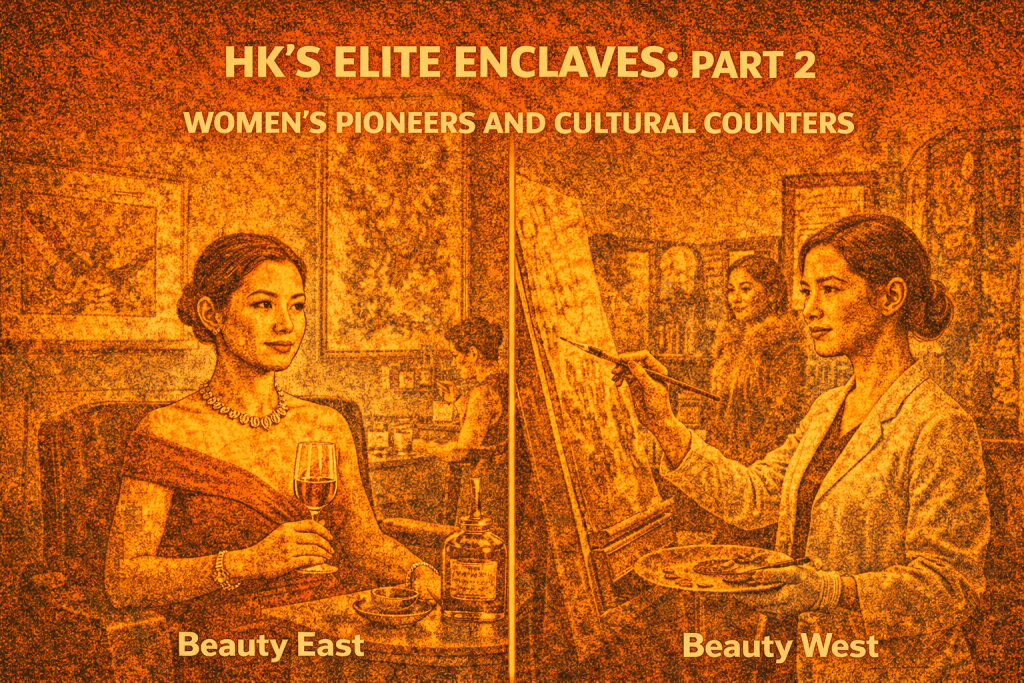
In this ongoing exploration of Hong Kong’s private clubs, I turn my attention to two institutions that emerged from the colonial era’s social constraints, each carving out spaces for underrepresented groups while embodying the city’s unique fusion of East and West. Building on Part 1’s overview of the Hong Kong Club and the Hong Kong Jockey Club, this installment examines the Ladies’ Recreation Club (LRC) and the Chinese Club. These venues not only reflect Hong Kong’s layered history of exclusion, adaptation, and cultural hybridity—marked by its steep topography, bustling harbors, and colonial legacies—but also offer rich narrative potential for Hollywood projects. As I uncover their origins and evolutions, I suggest how filmmakers might weave them into stories that probe themes of identity, resilience, and power dynamics, infusing plots with distinctly Hong Kong elements like the Peak Tram, typhoon-ravaged landscapes, or the vibrant interplay of Cantonese and English.
The Ladies’ Recreation Club stands as a testament to early efforts in gender equity within Hong Kong’s recreational landscape, deeply intertwined with the city’s colonial geography and social rhythms. Established in 1883, it holds the distinction of being the city’s first social and sports club dedicated to women, initiated by a group led by Mrs. Louisa Coxon who petitioned the government for a “Ladies Recreation Ground” in the Mid-Levels. This location was strategically chosen for its proximity to the Peak, Hong Kong’s elite residential enclave, allowing colonial ladies and their children to access leisure amid the island’s rugged hills—often via sedan chairs before the Peak Tram’s debut in 1888. Early accounts depict it as an Edwardian oasis adapted to Hong Kong’s subtropical climate, with grass courts for tennis and croquet tournaments that braved seasonal typhoons, and afternoon teas featuring homemade cakes baked by committee members, blending British traditions with local ingenuity in a city where European customs met Asian realities.
Over the decades, the LRC weathered Hong Kong-specific challenges, including the disruptions of World War I, the Japanese occupation during World War II, and the post-war rebuilding that mirrored the city’s rapid modernization. By 1948, a swimming pool was added, followed by a main clubhouse with badminton courts in 1955, evolving the club into a multifaceted family-oriented hub that incorporated squash, a Ladies’ Rifle Association for shooting, and even cricket—sports that echoed colonial imports but took on a Hong Kong flavor through diverse memberships post-handover. Today, nestled in the heart of Hong Kong with around 5,000 members from varied nationalities, it boasts five-star facilities that reflect the city’s global cosmopolitanism, where Mid-Levels views of Victoria Harbour underscore every gathering. This progression highlights how the LRC adapted to Hong Kong’s societal shifts, from a women-only sanctuary amid colonial hierarchies to an inclusive space embodying the territory’s resilient, multicultural ethos.
From a Hollywood perspective, the LRC’s inherent “HK-ness”—its roots in the Peak’s misty heights, sedan-chair ascents, and typhoon-interrupted teas—could infuse projects with authentic local texture. Imagine a period drama where a protagonist, drawing from Coxon’s petitioning spirit, navigates Hong Kong’s steep social and literal inclines to found the club, incorporating scenes of Peak Tram rides amid monsoon rains to symbolize upward mobility, akin to The Piano but set against Hong Kong’s harbor skyline. For a contemporary rom-com, the LRC could backdrop cross-cultural romances, with croquet matches on typhoon-recovered lawns highlighting Hong Kong’s blend of tradition and chaos, echoing Crazy Rich Asians while provoking discussions on gender roles in Asia’s world city. Alternatively, a thriller might use the club’s Mid-Levels perch for surveillance plots overlooking the bustling Central district, weaving in Hong Kong’s fusion cuisine at teas to ground espionage in cultural specificity, challenging viewers to confront enduring inequalities in this East-West crossroads.
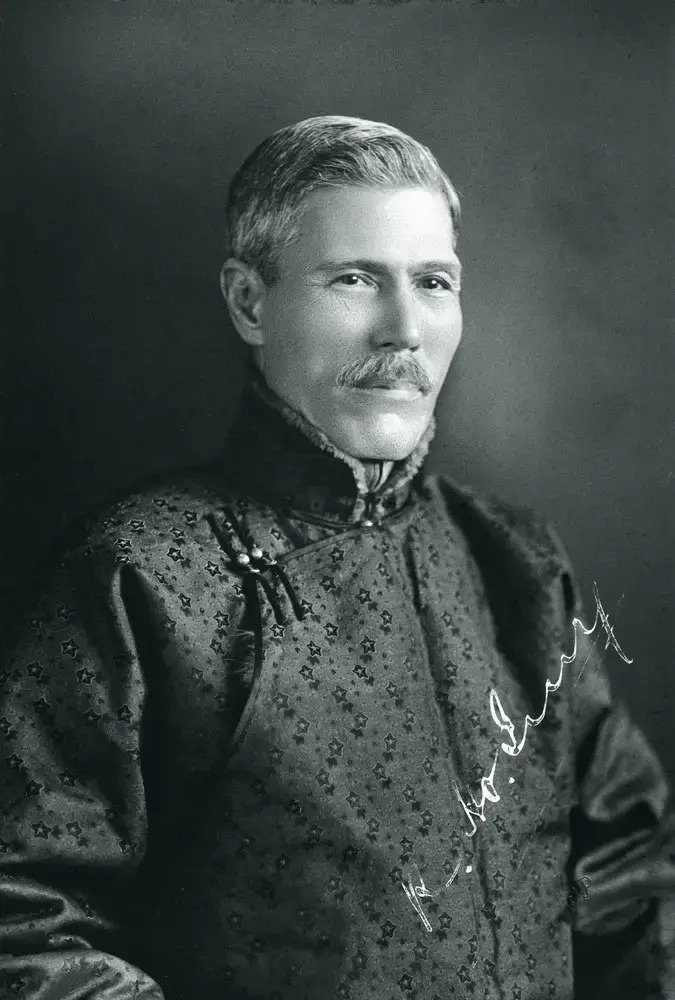
Shifting focus, the Chinese Club represents a direct response to racial exclusion in colonial Hong Kong, epitomizing the city’s history of cultural countermeasures and entrepreneurial defiance. Co-founded in 1897 by Sir Robert Hotung, who served as its first chairman, the club arose as a counterpart to the whites-only Hong Kong Club, providing a dignified space for Chinese elites in Central—the throbbing heart of Hong Kong’s commerce. Hotung, the “Grand Old Man of Hong Kong,” was a Eurasian tycoon whose life encapsulated the territory’s hybrid identities: born in 1862, he built a fortune in property and shipping, becoming the first non-European allowed on the Peak, and knighted twice amid Hong Kong’s imperial tensions. The club’s establishment was a pragmatic assertion of equality, fostering networks among merchants who navigated the colony’s unequal treaties and bustling ports, where Chinese business acumen thrived despite discriminatory barriers.
The Chinese Club’s role extended beyond socializing, mirroring Hotung’s broader impact on Hong Kong through philanthropy, like chairing the Tung Wah Hospital and endowing scholarships that bolstered local education. While early operations emphasized discreet gatherings in a city divided by race, it evolved with Hong Kong’s transformations—from wartime interruptions to post-1997 integration—maintaining its status as a beacon of cultural resilience in Central’s skyscraper-shadowed streets. Hotung’s legacy, including his advocacy for Chinese dignity amid colonial rule, underscores the club’s “HK-ness”: a symbol of the territory’s resourceful response to imperialism, blending Confucian values with capitalist drive in a harbor city that bridged empires.
For Hollywood integrations, the Chinese Club’s Hong Kong essence—Hotung’s Peak breakthrough, Central’s trading vibes, and subtle rebellions against colonial snobbery—lends itself to biopics or dramas that dissect imperialism’s nuances. A film on Hotung, perhaps Harbor Baron, could depict club meetings overlooking Victoria Harbour, using rickshaw chases through Hong Kong’s crowded alleys to heighten tension, similar to The Last Emperor but focused on Eurasian identity in this fusion metropolis. In an action series, the club might host undercover alliances during the Sino-Japanese conflicts, incorporating Hong Kong’s typhoon warnings as plot devices for escapes, provoking reflections on racial dynamics. Ensemble projects could explore post-handover legacies, with scenes of Cantonese banter amid English toasts, challenging binary narratives and highlighting Hong Kong’s unique cultural mosaic.
These two clubs, born from necessity, illustrate how private enclaves in Hong Kong both mirrored and mitigated societal divides, infused with the city’s topography, history, and hybrid spirit. The LRC pioneered women’s recreation amid Peak mists, while the Chinese Club countered barriers in Central’s bustle. In Hollywood terms, they provide fertile ground for stories that stimulate debate on inclusion—objective lenses on history that neither glorify nor condemn but invite scrutiny, enriched by Hong Kong’s vivid locales.
Looking ahead, Part 3 will delve into the Victoria Recreation Club and Club Lusitano, uncovering more layers of Hong Kong’s club culture. Until then, consider how these spaces continue to shape the city’s social fabric.