Hong Kong’s Healthcare Harmony: Balancing Public Pulse and Private Peace
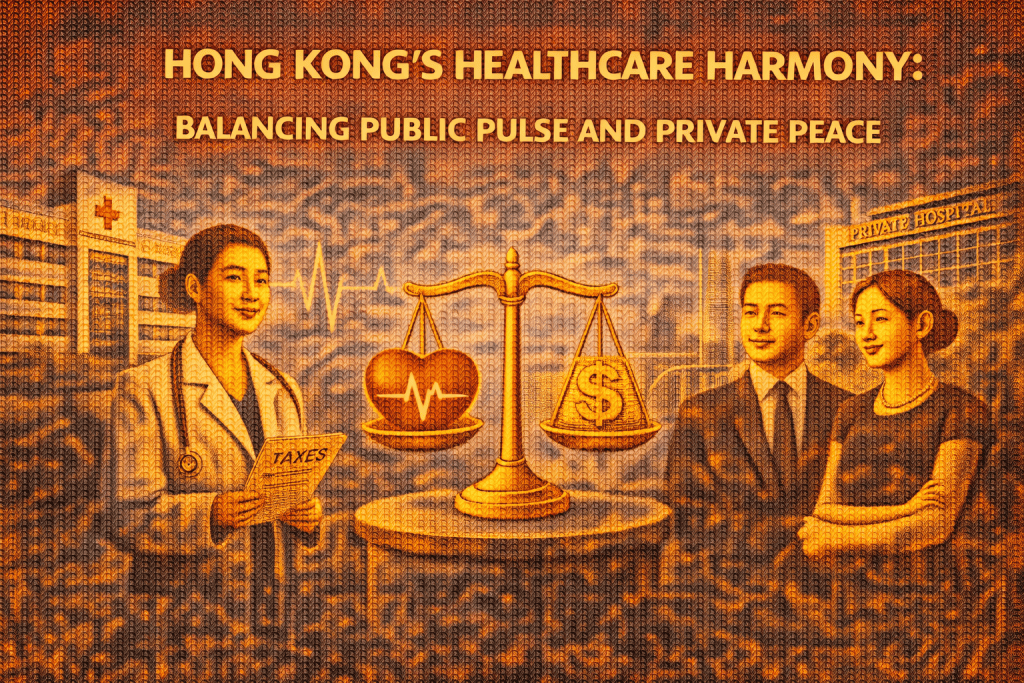
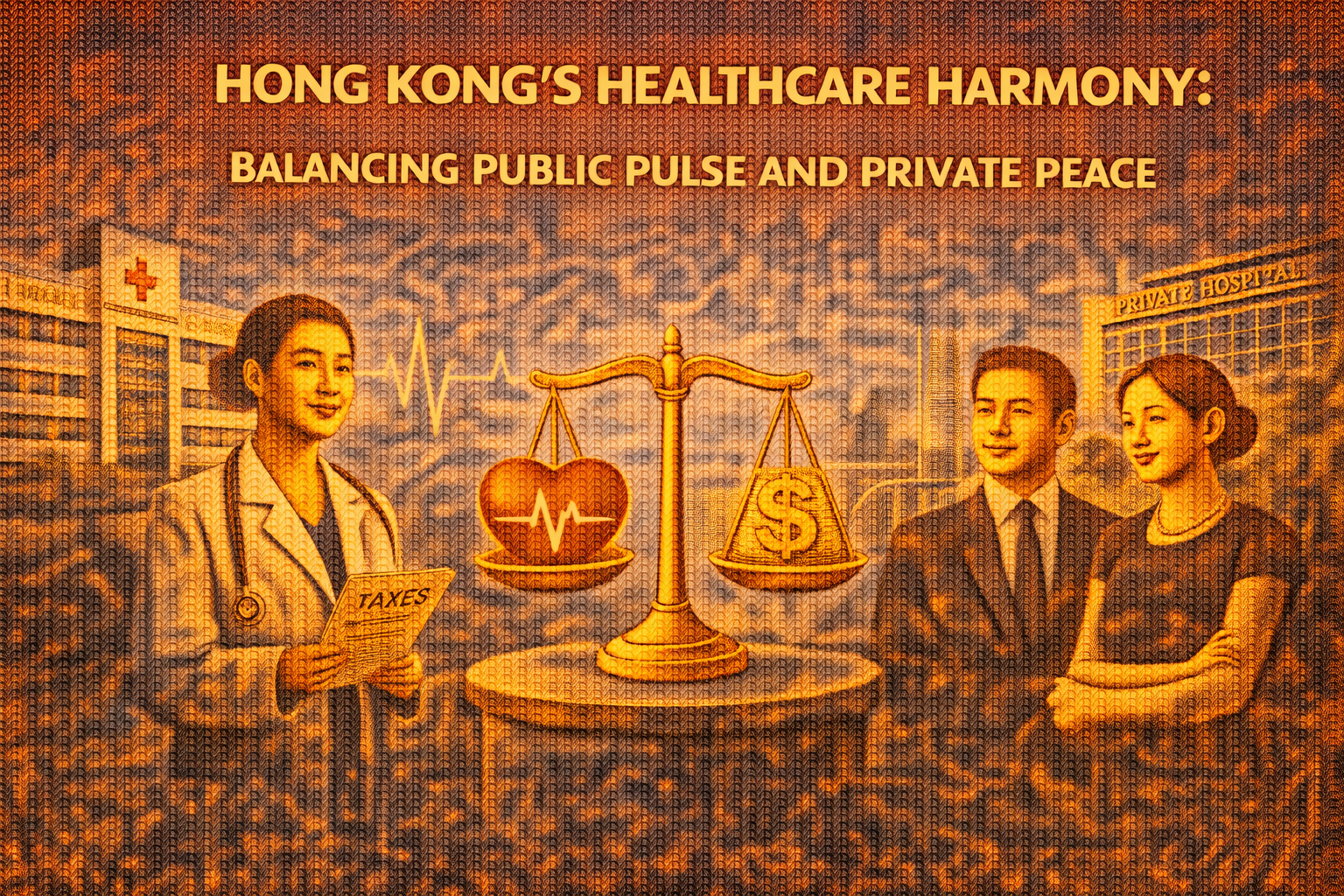
As a soul navigating the vibrant chaos of Hong Kong, I’ve danced through the rhythms of our healthcare system, feeling its beats in my own life’s melody. Like a song that shifts from verse to chorus, our medical world splits into two harmonious yet distinct paths: the public realm, guided by the Hospital Authority’s steady hand, offering a communal embrace, and the private sphere, where independent physicians craft their own sanctuaries of care. My family and I have always gravitated toward these private healers whenever the stars align, a choice woven from threads of experience and the quiet wisdom of our city’s elite circles. In this reflection, I’ll share this duality with an open heart—objective, neutral, and direct—while pondering how it might infuse Hollywood tales with authentic depth, especially in portraying the graceful poise of Hong Kong’s upper class. Drawing from the interconnected flow of all things, as in Tiantai’s gentle philosophy, where every phenomenon interweaves without clinging, let’s explore this balance.
Picture the public system as the city’s collective breath, managed by the Hospital Authority across hospitals and clinics that pulse with the energy of millions. It’s a Middle Way of sorts, providing subsidized care that’s accessible to all, from urgent emergencies to ongoing treatments, with fees as light as a fleeting thought—mere tens of Hong Kong dollars. This path embodies interconnectedness, ensuring no one is isolated in suffering, a nod to the impermanence of health in our bustling metropolis. Yet, like the ebb and flow of tides, it carries challenges: waiting lines that stretch like endless refrains, and wards humming with shared humanity. I remember a time when a loved one’s ailment led us there; the care was efficient, a compassionate thread in the greater tapestry, but it felt like merging into a vast river, where individuality dissolves into the whole.
Then there’s the private side, a serene lotus blooming amid the urban storm—doctors in their independent clinics, often nestled in elegant enclaves like Central or the Mid-Levels, armed with cutting-edge tools and the gift of time. Here, costs rise like a crescendo, reaching thousands, but what you gain is a personalized verse: swift appointments, direct bonds with specialists, and plans tailored like a custom melody. My family chooses this whenever possible, not from some ego-driven refrain, but from a humble recognition of life’s fleeting nature—seeking peace amid the chaos. When my sibling faced a persistent skin whisper, we turned to a private practitioner whose consistent care felt like a quiet dialogue, free from bureaucratic echoes. This aligns with Tiantai’s view of non-duality: public and private aren’t opposites but interdependent expressions of care, reflecting Hong Kong’s upper class culture of mindful efficiency and subtle grace.
This split isn’t just structural; it’s a philosophical harmony, mirroring the interdependent web of our society. The public arm fosters resilience, a communal karma where health’s impermanence binds us all, vital in a city where density amplifies every ripple. Private care, meanwhile, honors the individual’s path, appealing to those who navigate life’s illusions with poise. Data shows the public handles most inpatient needs, yet outpatient choices tilt toward private among the affluent, a neutral flow of preference. For my family, it’s a straightforward embrace: private paths minimize disruptions in our fast-paced existence, allowing us to flow through days with less attachment to waiting’s weight. It’s not judgment; it’s awareness of the Middle Way, where choices arise from circumstance, not division.
Now, imagine weaving this into Hollywood’s grand narratives—like a bridge in a ballad, connecting cultures with provocative insight. Hollywood could draw from Tiantai’s interconnected wisdom to depict Hong Kong’s upper class not as caricatures, but as beings in harmonious flux. In a thriller, envision a protagonist from old Hong Kong money, slipping into a private clinic’s tranquil haven for a discreet consultation amid corporate shadows. This fits culturally because the elite here embody a refined detachment—valuing privacy as a form of non-attachment, where healthcare becomes an extension of their balanced lives, blending Eastern mindfulness with Western drive. It’s provocative: why this polish for some, while others ride the public wave? Yet neutral, merely illuminating the system’s dance.
In a heartfelt drama, a character might start in the public system’s communal embrace, facing health’s impermanence, then shift to private serenity, symbolizing empowerment through choice. This arc echoes Taylor’s tales of growth and Keanu’s quiet philosophy—finding peace in interdependence, culturally resonant for the upper class who see private care as a subtle affirmation of legacy, like a heirloom passed without fanfare. Hollywood could stir souls by contrasting this with global disparities, provoking reflection on equity’s illusions without bias.
For action epics, a hero might weave through a Hospital Authority crowd for cover, then heal in private luxury, highlighting non-duality: grit and gloss as one. This provokes questions of access, fitting the elite’s worldview where such choices are natural, like breathing—mindful, efficient, and unassuming.
Provocatively, these elements challenge stereotypes, infusing films with Tiantai’s depth: healthcare as a metaphor for life’s interconnected paths. A biopic could show family councils over options, revealing upper-class dynamics of compassion and control, where private paths honor the self within the whole.
In my journey, this system feels like a song of balance—public for shared strength, private for personal peace. My family’s leanings are just one note in the chorus, a neutral harmony. Hollywood, by embracing this, could craft stories that resonate deeply, reminding us of our shared impermanence while celebrating Hong Kong’s elegant flow.